
Squeezed by Soybean and Plastic Prices, Tempe Artisans in North Jakarta Reduce Sizes to Survive
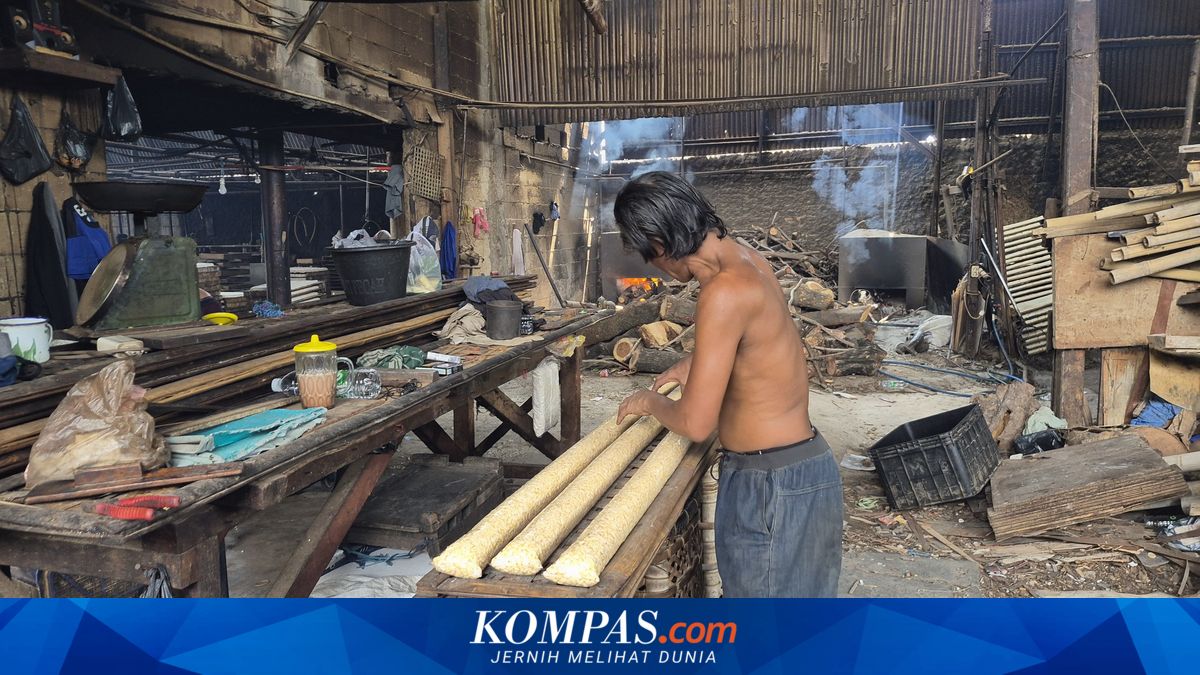
JAKARTA, KOMPAS.com — The rising prices of soybeans and packaging materials are beginning to pressure home-based tempe businesses in Jakarta. Anto (38), a tempe artisan in Cilincing, North Jakarta, is one of those feeling the impact.
He has had to adjust his strategy to keep his family’s 45-year-old home-based tempe factory afloat amid continuously increasing production costs.
The tempe factory has been operating since 1981 and is a family business passed down from his parents. Anto is now the second generation striving to maintain and develop the business.
Before Eid al-Fitr 2026, the price of soybeans was still Rp 9,600 per kilogram. Now, it has risen to Rp 10,800 per kilogram.
Every day, Anto needs about 100 kilograms of soybeans to produce tempe. The increase in raw material prices automatically raises daily production costs.
Amid the rising soybean prices, tempe artisans are also burdened by the surging cost of plastic. In the moulding process, artisans still rely on 2.4-metre-long clear plastic as tempe wrapping.
Anto said that for production needs, he requires about one kilogram of clear plastic. The price of plastic now reaches Rp 55,000 per kilogram, up from around Rp 35,000 previously.
In one month, he has to spend about Rp 1.6 million just to buy plastic. The increase in packaging prices is making tempe artisans’ profits even thinner.
“Usually Rp 10,000 for a length of 80 centimetres (cm), now reduced to 75 cm,” said Anto when interviewed by Kompas.com at the location on Friday (24/4/2026).
So far, he has chosen not to raise prices to avoid burdening customers. However, if the prices of soybeans and plastic continue to rise, Anto is considering increasing the price of his tempe.
Before raising prices, he plans to inform customers first so they are not surprised.
In addition to rising raw material prices, natural factors such as weather and water conditions also pose challenges in producing quality tempe. Jakarta’s unpredictable weather often complicates the fermentation process.
“It affects it a lot if the weather is continuously rainy; the tempe is hard to ferment, and mould growth is difficult,” he said.