
SPPI Participant Death Toll During Military Training Rises to Four
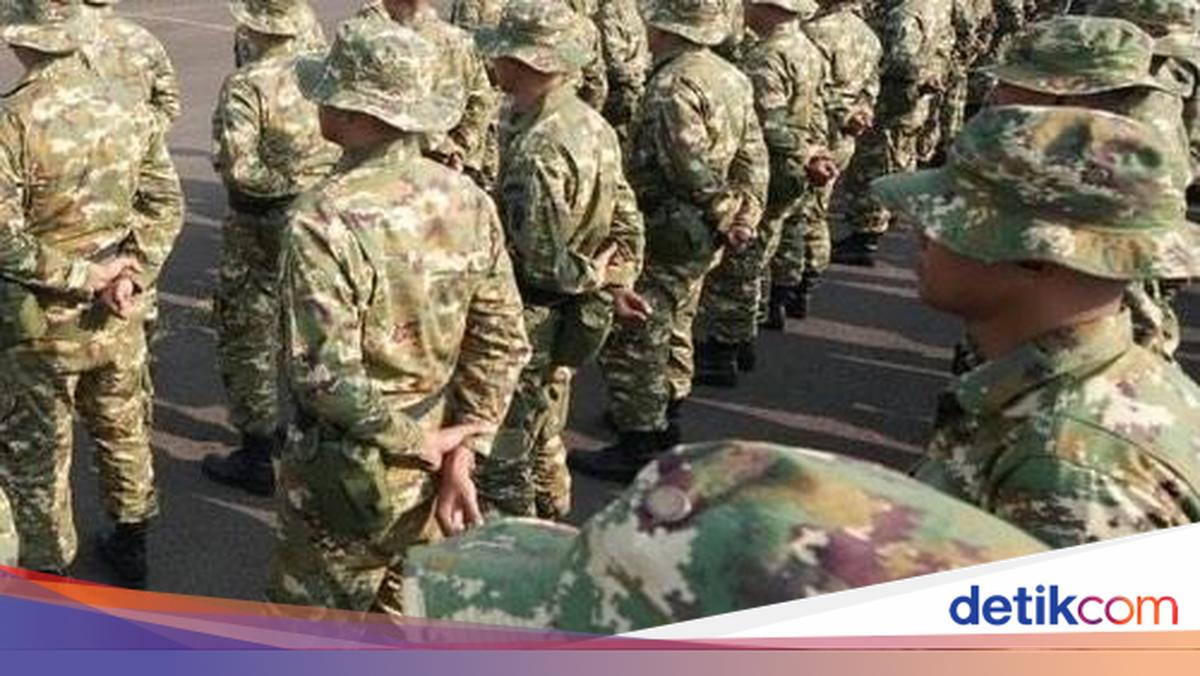
The Indonesian Ministry of Defence has expressed its condolences over the death of Muhammad Rifki Renaldi Gunawan, a participant in the Sarjana Penggerak Pembangunan Indonesia (SPPI) programme for the Koperasi Desa Merah Putih (KDMP) and Koperasi Nelayan Merah Putih (KNMP). This incident brings the total number of prospective KDMP and KNMP managers who have died during military training to four.
Brigadier General Rico Sirait, Head of the Information Bureau at the Ministry of Defence’s Secretariat General, stated that Muhammad Rifki complained of shortness of breath on Thursday, 25 June. He received initial treatment from the unit’s medical team and his condition temporarily improved, allowing him to resume activities. However, his health deteriorated again in the afternoon, prompting an urgent referral to RSAU dr Esnawan Antariksa for advanced medical care.
Upon arrival at the hospital, the deceased received intensive treatment from a team of doctors, including care in the Intensive Care Unit (ICU). Despite optimal medical efforts, he was pronounced dead in the early hours of 26 June 2026 at 00:28 WIB. The Ministry confirmed that prior to the programme, Muhammad Rifki had undergone selection procedures, including health examinations, and was declared fit to participate.
The Ministry of Defence has provided assistance to the family, including the repatriation of the body and ensuring the fulfilment of the participant’s rights in accordance with regulations. In response to this incident, the Ministry, together with the National Selection Committee and education providers, is conducting a thorough evaluation of the SPPI programme. Measures include strengthening the health selection process, early detection of medical conditions, increasing supervision by health workers during training, tracing participants with similar complaints, and improving health handling procedures across all educational units.