
SPPG Cikarang Bekasi Conducts Periodic Evaluations to Refine Free Nutritious Meal Programme
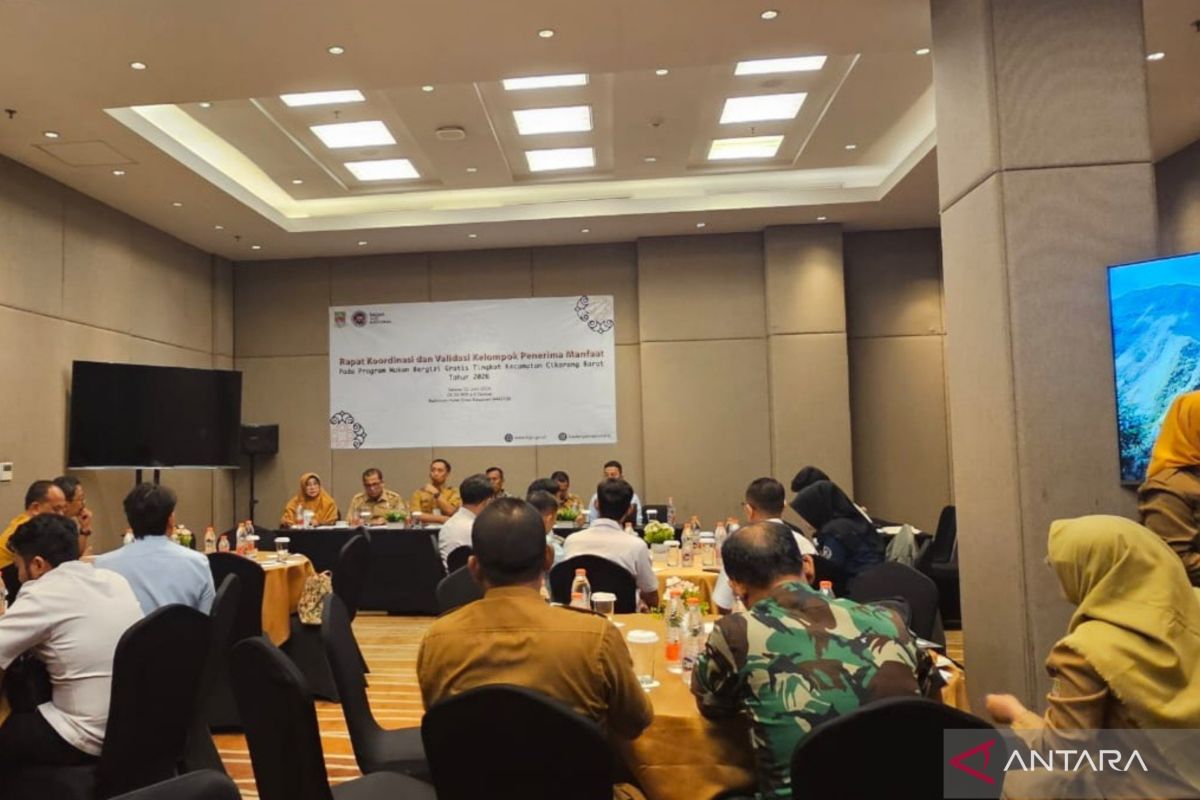
The Nutrition Fulfilment Service Unit (SPPG) in West Cikarang District, Bekasi Regency, West Java, has ensured that periodic evaluations are being conducted to refine the implementation of the Free Nutritious Meal (MBG) programme, with a primary focus on the accuracy of beneficiary targeting.
“We conduct periodic evaluations to ensure the distribution of MBG programme benefits is precisely targeted,” said the Coordinator of SPPG West Cikarang, Ihsan Nuur Hidayatulloh, following a coordination meeting in Cikarang on Tuesday.
He stated that the coordination meeting was held with government officials and relevant stakeholders to discuss several aspects, ranging from the validation of beneficiary data to the standardisation of SPPG kitchens. The activity involved local and district government elements, sub-district leadership forums, regional education coordinators, and representatives from local community health centres (Puskesmas).
Ihsan explained that the general agenda of the meeting involved continuous evaluation to identify various obstacles and challenges encountered in the field. “We want to align perceptions regarding the deficiencies present in each SPPG. From this forum, we have received various inputs to strengthen the implementation of the MBG programme on the ground,” said Ihsan.
The coordination meeting also addressed institutional strengthening and kitchen operational standards. Key points of concern included the presence of Wastewater Treatment Plants (IPAL), Halal certification, HACCP food safety standards, and the target of ISO certification for the operating kitchens.
Furthermore, the validation of beneficiary data is being continuously updated to ensure that the data reported by each SPPG matches the actual conditions on the ground. “We must ensure the number of beneficiaries is truly accurate. Data for students and other recipient groups must be constantly updated so that the distribution of nutritious food is precisely targeted,” he said.
Ihsan revealed that, based on preliminary data, the number of students potentially benefiting from the MBG programme in his area is approximately 75,000. For the group of pregnant women, breastfeeding mothers, and toddlers, the numbers are dynamic due to continuous changes. Currently, the number of beneficiaries from the pregnant women, breastfeeding mothers, and toddler group who have been served reaches 5,000 people. Data collection is conducted continuously through coordination with health centres and relevant agencies.
On the other hand, the implementation of the MBG programme still faces several challenges. Out of the 19 SPPG kitchens available in the region, two have temporarily suspended operations because they have not met the prescribed facility standards. “We found several deficiencies in the kitchen facilities that partners are required to meet. Therefore, we have recommended a temporary suspension of operations until all standards can be fulfilled,” he explained.
According to him, kitchens that do not meet the requirements will undergo special evaluation and further supervision. Operations may only resume once all deficiencies are rectified in accordance with applicable regulations.
In addition to facility issues, the evaluation identified several complaints regarding the quality of food received by beneficiaries. Some reports indicated that food quality declined because it remained in packaging for too long before consumption. “When food is received, ideally it should be consumed immediately as it has a specific time limit. If there is a need to arrange distribution schedules, schools can coordinate with SPKG managers to ensure food quality is maintained,” he said.
Furthermore, environmental aspects are also a concern in the implementation of the MBG. The coordination meeting specifically discussed the management of kitchen waste and production refuse to prevent complaints from the surrounding community.
Ihsan emphasised that the success of the MBG programme is measured not only by the amount of food distributed but also by its impact on improving the nutritional quality of children. “The indicator of success is when children’s nutritional status improves, and their weight and height increase appropriately for their age, supporting their growth and learning abilities,” he said.
He expressed hope that all stakeholders, ranging from local government and security forces to SPPG managers, will continue to collaborate in monitoring and refining the MBG implementation as a national priority programme. “This programme must be a shared responsibility. With good supervision and coordination, the benefits of the MBG can be maximised for the community,” he concluded.