
SPMB East Java 2026 Phase 1: 54,056 Prospective Students Accepted via Domicile Route
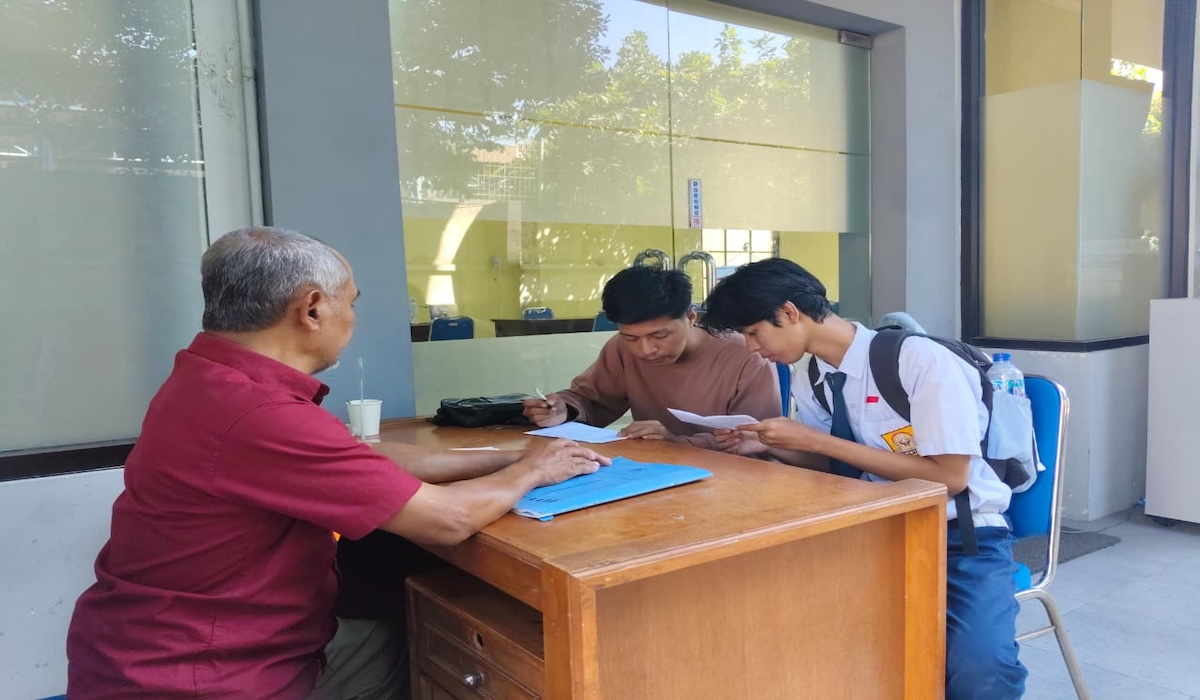
A total of 54,056 prospective new students for senior high school (SMA) and vocational high school (SMK) have been accepted through the domicile route in the first phase of the East Java 2026 New Student Admission System (SPMB). This figure is the result of a selection process from a total of 213,000 applicants competing for places in public schools across the province.
According to data from the East Java Provincial Education Office (Dindik Jatim), 40,786 prospective students were accepted into public SMAs and 13,270 into public SMKs. The total number of applicants for this phase reached 111,144 for SMA and 101,922 for SMK.
Head of Dindik Jatim, Aries Agung Paewai, revealed that the majority of successful students gained admission to their first-choice school. A total of 31,443 SMA applicants and 10,506 SMK applicants were accepted at their first preference.
Aries explained a significant change in this year’s domicile selection system. Selection no longer relies solely on the distance from a student’s residence to the school, but instead prioritises a final score combining report card grades and the Academic Ability Test (TKA). Factors such as domicile distance, age, and registration time serve as subsequent considerations in the ranking system.
For prospective students who were not successful in the first phase, Aries urged them not to be discouraged, as further admission routes remain available. Dindik Jatim is scheduled to open the second phase of registration on 17-18 June 2026. This phase will cover affirmation, competition achievement, and mutation routes, with subsequent phases for academic achievement scores for both SMA and SMK levels. The East Java Provincial Government hopes that through these various routes, access to secondary education can be distributed fairly while upholding academic quality and student achievement.