
SPKS Calls on RSPO to Expand Purchases of Smallholders’ Physical Palm Oil Products
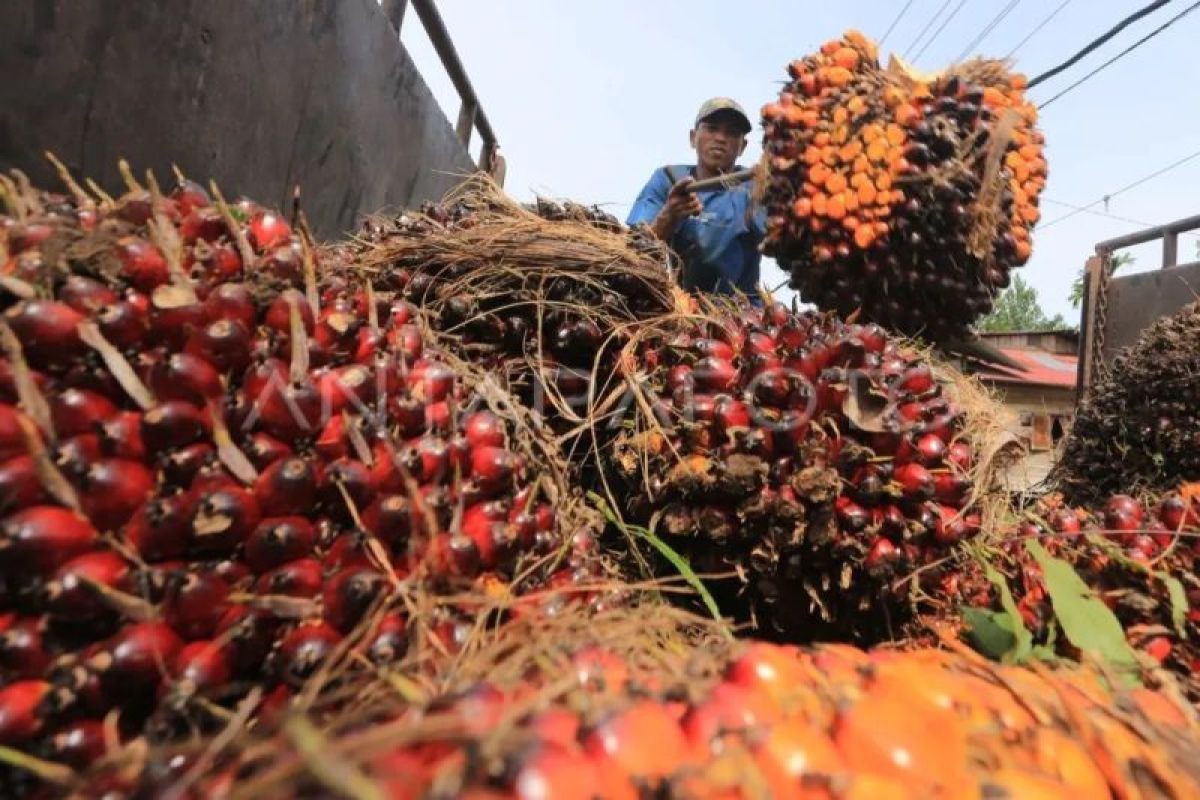
Jakarta (ANTARA) – The Indonesian Oil Palm Farmers Union (SPKS) has urged the Roundtable on Sustainable Palm Oil (RSPO) to expand purchases of smallholders’ physical palm oil products through partnerships between cooperatives and certified mills, to provide independent smallholders with worthwhile economic benefits.
“RSPO must prove that certification genuinely improves farmers’ lives,” SPKS Chair Sabarudin said in a statement in Jakarta on Monday.
He said SPKS was calling on the RSPO and its member companies to take greater responsibility for building market demand.
SPKS is therefore urging the RSPO to expand purchases of farmers’ physical products through cooperative partnerships with certified mills, increase its commitment to purchasing credits under a shared-responsibility scheme, and disclose data on credits issued, sold and still unsold, as well as prices and farmer-group income.
SPKS also called on the RSPO to clarify the rules governing credit-trading intermediaries, including transparency on fees and margins, and to ensure farmer groups receive information and transaction contracts they can understand.
Sabarudin said the calls followed the organisation’s findings of unresolved problems with credit uptake, low group incomes and limited access to physical supply chains.
SPKS said the RSPO should not continue promoting certification growth without first ensuring that the market can absorb the products and credits farmers produce.
“Certification must not stop at meeting standards and increasing the number of certified members, while farmers bear the costs, obligations and risks without any certainty of economic benefit,” he said.
He said SPKS’s 2026 study, published on 2 November 2026 on its official website, https://spks.or.id/, clearly illustrates the problem.
Between 2023 and 2024, the number of farmer groups selling RSPO credits rose by 36 per cent, from 85 to 116. However, the volume of credits sold increased by only 9 per cent, from 261,792 tonnes to 284,188 tonnes.
Over the same period, total group income fell by 7 per cent, from US$7 million to US$6.5 million. Average income per credit-selling group dropped by about a third, from US$82,400 to US$56,000, while the average credit volume per group fell by around 20 per cent, from approximately 3,080 tonnes to about 2,450 tonnes.
Sabarudin said the figures point to fundamental problems in the RSPO certification market system.
“RSPO cannot keep touting growth in the number of farmers and the area of certified plantations if farmer-group incomes are falling at the same time. Farmers have spent money, effort and time meeting RSPO standards. But when the credits they generate are not adequately taken up, farmers end up bearing the risks of a system that is supposed to benefit them. This shows that certification growth has not been matched by market responsibility,” he added.
Source: jawawa.id (https://jawawa.id/newsitem/spks-calls-on-rspo-to-expand-purchases-of-smallholders-physical-palm-oil-products-1793634796)
Originally published by Antara (Indonesian) (https://www.antaranews.com/berita/5827599/spks-minta-rspo-perluas-pembelian-produk-fisik-sawit-petani), translated from Indonesian