
Spirit of Tolerance from the 31st National MTQ in Semarang City
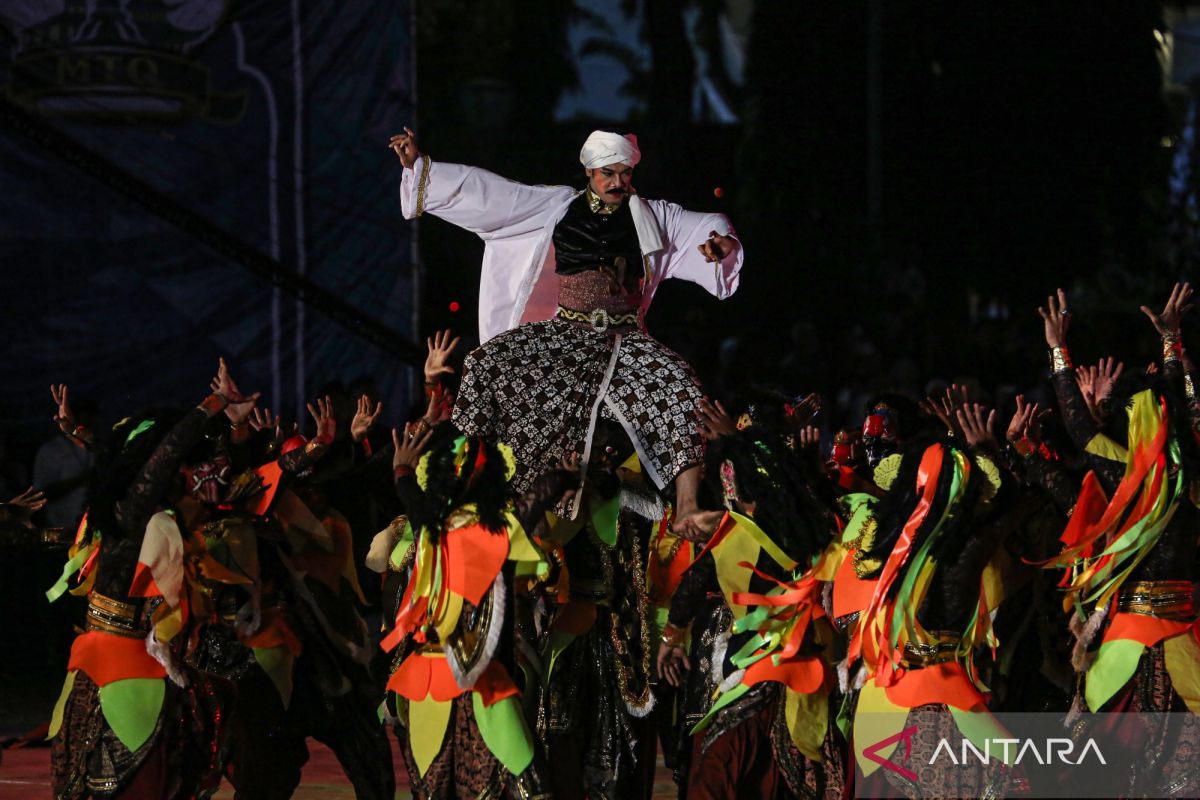
Semarang, Central Java, has once again made religious history by hosting the National Musabaqah Tilawatil Quran (MTQ). The city last hosted this major religious event for Indonesia’s Muslim community in 1979, during the 11th MTQ.
The 31st National MTQ, held from 11 to 20 September, is centred in Semarang and spread across 12 different locations. A total of 2,242 participants, comprising 1,751 core participants and 491 reserves, are competing in eight branches and 24 competition groups across 48 categories.
Overall, at least 7,000 people have attended the 31st MTQ in the city. The economic turnover during the event is estimated to reach Rp1.2 trillion, according to calculations by the Central Java Provincial Government and the local Central Bureau of Statistics.
This economic circulation stems not only from primary expenditures such as accommodation, transport, and catering for participants but also from additional needs, including souvenirs, extra supplies, and local tourism.
Furthermore, during the September period, the local government has supported various activities to enhance the MTQ festivities. One such event is the Old Town Festival in the Semarang Old Town area, which runs from 4 to 20 September. Organisers have prepared various arts and entertainment activities, such as street wayang, jazz music festivals, cultural arts, and night markets.
For those looking to escape the heat of Semarang, visitors can experience the mountainous atmosphere not far from the main event sites, such as Bandungan in the Semarang Regency. Alternatively, for a more extreme experience where temperatures can drop below 5 degrees Celsius, the Dieng Plateau in the Banjarnegara and Wonosobo Regencies is accessible via a four-hour drive. If lucky, visitors may witness ‘embun upas’ (frost) in the morning when temperatures in Dieng fall below zero degrees Celsius.
For those staying closer to Semarang, the city offers a diverse culinary scene. Historically, Semarang has been a vital trade and culinary hub since the colonial era. Alongside Jakarta and Surabaya, Semarang served as a primary port centre on Java during the Dutch East Indies period.
This status made Semarang a meeting point for diverse people from across the globe. Interactions between indigenous, Chinese, Arab, and European residents created cultural acculturation, reflected in local food and traditional market snacks. It is therefore no surprise that many food establishments have remained open since the colonial era, such as the legendary Toko Oen in the Semarang Old Town area.
Legendary culinary items include Roti Ganjel Rel, a local modification of the Dutch cake ‘ontbijtkoek’ (a soft-textured spice cake). Because the ingredients for ontbijtkoek were expensive during the colonial period, locals modified the recipe using cassava flour (gaplek) and palm sugar. The result is a dense, dark, cinnamon-scented bread topped with sesame seeds. Due to its dense, block-like texture, locals likened it to the wooden blocks used to wedge railway tracks.
Another staple is Lumpia, which originated in the late 19th century near the Johar Market area. This dish was born from the marriage between Tjoa Thay Yoe, an immigrant from Fujian, China, and Mbak Wasih, a local Javanese woman. They modified their respective recipes so the food could be enjoyed by all, including the Muslim community and Dutch colonial guests, embodying a spirit of tolerance.
Source: jawawa.id (https://jawawa.id/newsitem/spirit-of-tolerance-from-the-31st-national-mtq-in-semarang-city-1789380449)
Originally published by Antara (Indonesian) (https://www.antaranews.com/berita/5739947/semangat-toleransi-dari-mtq-nasional-xxxi-di-kota-semarang), translated from Indonesian