
Spanish PM Asserts No Evidence Morocco Orchestrated Ceuta Migrant Crisis
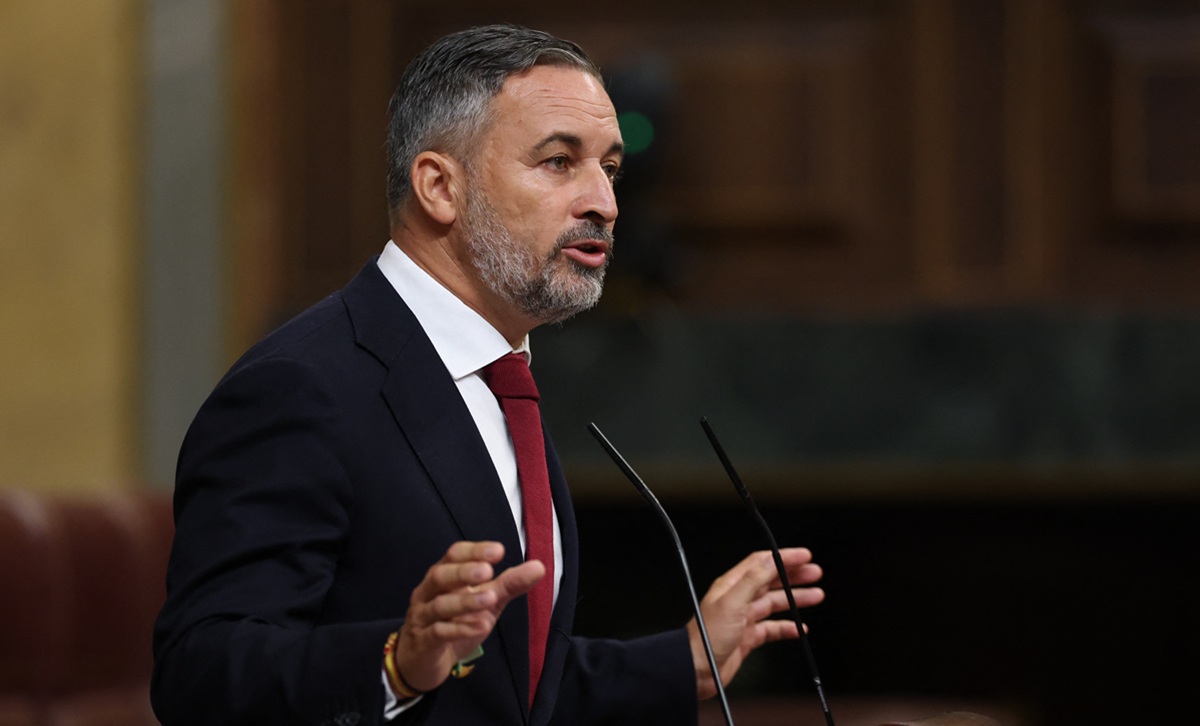
Spanish Prime Minister Pedro Sánchez has emphasised that there is no “strong evidence” to suggest that Morocco orchestrated the wave of migrant surges into the territory of Ceuta. This statement was made by Sánchez on Thursday following the emergence of Spanish police reports highlighting the failure of Moroccan security forces to manage the crisis.
Spanish police reports obtained by AFP mention a state of “total neglect” by Moroccan police, which facilitated the border surge. The number of Moroccan police at border posts was reported to be “clearly fewer than usual,” and officers reportedly “made no serious effort” to stem the flow of migrants. Some officers were even seen directing migrants towards the sea.
Nevertheless, Sánchez stated before parliament that no police, legal, or international agency has provided “strong evidence to the Spanish government that Morocco planned or executed the incident.”
Previously, a drastic surge occurred on 30 and 31 July, when more than 70,000 migrants crossed from Morocco into Ceuta. The chaotic incident resulted in dozens of deaths and triggered internal disputes within the European Union regarding migration issues.
Moroccan authorities have denied any loosening of border security. The Moroccan Ministry of the Interior blamed “malicious exploitation” on social media and the “spread of misleading information” as the causes of the sudden surge.
On the other hand, Sánchez criticised statements from Moroccan government officials regarding the status of Ceuta and Melilla. Moroccan media previously quoted Justice Minister Abdellatif Ouahbi, who claimed Rabat holds “historical” and “geographical” rights over both territories and called for a “final solution” to return the regions to Morocco.
Sánchez deemed such comments “unacceptable” and asserted that Ceuta and Melilla will remain Spanish territories “until the end of time.” In response to the incident, Spain summoned the Moroccan Ambassador on 21 August.
The crisis has also triggered international reactions. Former United States President Donald Trump sharply criticised Spain’s handling of the migration crisis. “What is happening to Spain is a violation,” Trump said in an interview with the British television channel GB News. “When I see it, it is very sad. It will ruin the whole country. It will ruin the system… And it will destroy Europe because once they are in Spain, they will not stop in Spain,” he added.
The Spanish opposition from right-wing and conservative parties continues to question Morocco’s role, accusing Sánchez of yielding to Rabat. The main opposition leader from the People’s Party, Alberto Núñez Feijóo, rejected Sánchez’s explanation and urged him to step down due to “incompetence” or “involvement” in what he described as “potential hybrid warfare actions.”
To assert sovereignty, Sánchez revealed that the government has encouraged King Felipe VI of Spain to visit Ceuta and Melilla in the coming weeks. However, Sánchez emphasised that Spain has “no intention whatsoever of triggering a diplomatic conflict” with Morocco.
Spanish Foreign Minister José Manuel Albares warned migrants not to be enticed by hoaxes regarding mass crossings to Ceuta and reaffirmed the policy of repatriation to Morocco.
Spain has threatened to implement retaliatory measures if Italy does not lift border restrictions following the migrant crisis in Ceuta, as tensions within the European Union escalate.
Leaders in Ceuta have warned that thousands of migrants remain stranded following the large wave of arrivals from Morocco. The tragedy resulted in 100 deaths and has sparked tension within the EU.
EU Commissioner Magnus Brunner stated that human traffickers are responsible for the deaths of dozens of migrants in Ceuta, Spain, amidst calls for Schengen sanctions.
The European Union praised Spain’s rapid response in handling the crisis of tens of thousands of migrants in Ceuta. Despite facing criticism from some nations, the European Union has affirmed its solidarity.