
SpaceX's One Million AI Satellites: Energy Solution or New Climate Threat?
Demand for electricity and water to power artificial intelligence (AI) data centres on Earth continues to surge. In the United States, AI data centres are projected to consume up to 17% of total national electricity by 2030, according to a report by the Electric Power Research Institute.
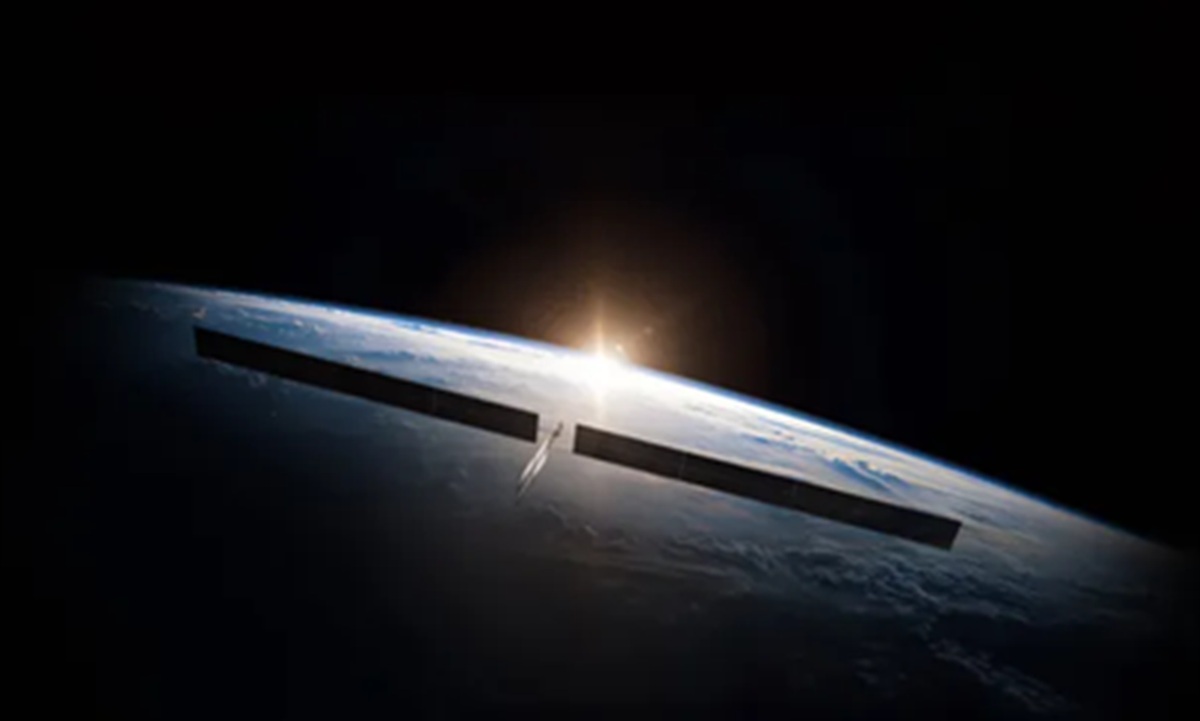
To address this energy and water crisis, a number of technology companies such as SpaceX, Amazon, and Blue Origin have applied to the US Federal Communications Commission (FCC) for permission to move data processing infrastructure into space. Of the total applications, SpaceX dominates with an ambitious plan from its CEO, Elon Musk, who wants to operate a constellation of one million AI data centre satellites.
Data centres in space are considered advantageous because they can harness solar energy consistently in a sun-synchronous orbit. In addition, the vacuum of space facilitates the release of heat through radiation without requiring water-based cooling systems or fans that consume large amounts of energy as on Earth.
However, this giant scheme has sparked serious concern among atmospheric scientists. If the plan to launch one million satellites is realised within the next decade, the number of rocket launches and satellites re-entering the atmosphere will increase up to 100-fold compared with current conditions. The data centre satellites are also expected to be far larger than conventional satellites.
The enormous mass of the satellites requires massive amounts of rocket fuel to carry them into orbit. The launch process releases pollutants such as black carbon (soot) directly into the upper atmosphere, which has the potential to trigger global warming effects and threaten the ozone layer.
Another problem arises when satellites reach the end of their service life and burn up in the atmosphere. This deorbiting process vaporises large quantities of heavy metal materials such as aluminium and lithium into the Earth’s air.
In addition, the rapid increase in the number of payloads in space could heighten the risk of collisions between objects in space that produce space debris, while also worsening light pollution that disrupts astronomical observations and wildlife ecosystems.
To date, no comprehensive study has mapped the cumulative impact of metal vaporisation and large-scale rocket emissions on the global climate, prompting researchers to urge a thorough environmental evaluation before operational permits are granted.