
SpaceX Rocket Hits Moon at 8,600 km/h, NASA Hunts for Crater Photos
The upper stage of a SpaceX Falcon 9 rocket slammed into the Moon’s surface on Wednesday (5/8) at around 02.35 EDT (06.35 GMT). The 4,000-kilogram rocket struck the Moon at a speed of approximately 8,690 km/h, which is estimated to have created a new crater up to 27 metres in diameter.
Scientists are now working to obtain images of the impact site with the help of several spacecraft.
“NASA’s Lunar Reconnaissance Orbiter and NASA’s ShadowCam instrument on the Korea Pathfinder Lunar Orbiter will look for opportunities to capture before-and-after images at the impact site,” said NASA spokesperson Rob Garner.
“Image availability depends on several factors, including the impact location, lighting conditions, and when each spacecraft’s orbit passes over the area, which may take several days to receive any images.”
Unlike the first stage of the Falcon 9, which can land back on Earth for reuse, the rocket’s upper stage is expendable. Normally, it is directed to burn up in Earth’s atmosphere. However, that was not possible after the rocket launched two private lunar landers, Firefly Aerospace’s Blue Ghost and ispace’s Resilience, into high orbit in January 2025.
SpaceX’s Director of NASA and Dragon Science Programmes, Julianna Scheiman, explained that using most of the fuel to reach distant orbit meant the rocket could not return to Earth.
“For high-energy missions, we need to perform different manoeuvres to ensure the second stage itself is safe according to applicable rules and regulations, and we have done so here,” said Scheiman.
However, the rocket body remained subject to natural forces over time.
“What happened is, essentially, a combination of solar activity and gravitational forces placed it on a trajectory towards the Moon,” Scheiman added.
Although not a planned outcome, the incident provides researchers with an opportunity to study the Moon further.
“NASA’s Meteoroid Environment Office will attempt to photograph the impact around the predicted time using ground-based telescopes at the agency’s Marshall Space Flight Center in Huntsville [Alabama],” Garner continued. “Because the impact flash and plume are expected to be faint, the chances of seeing anything from Earth remain low, and local weather may also affect observations. Any data collected will help scientists better understand the impact of artificial objects and their potential effects on future lunar exploration.”
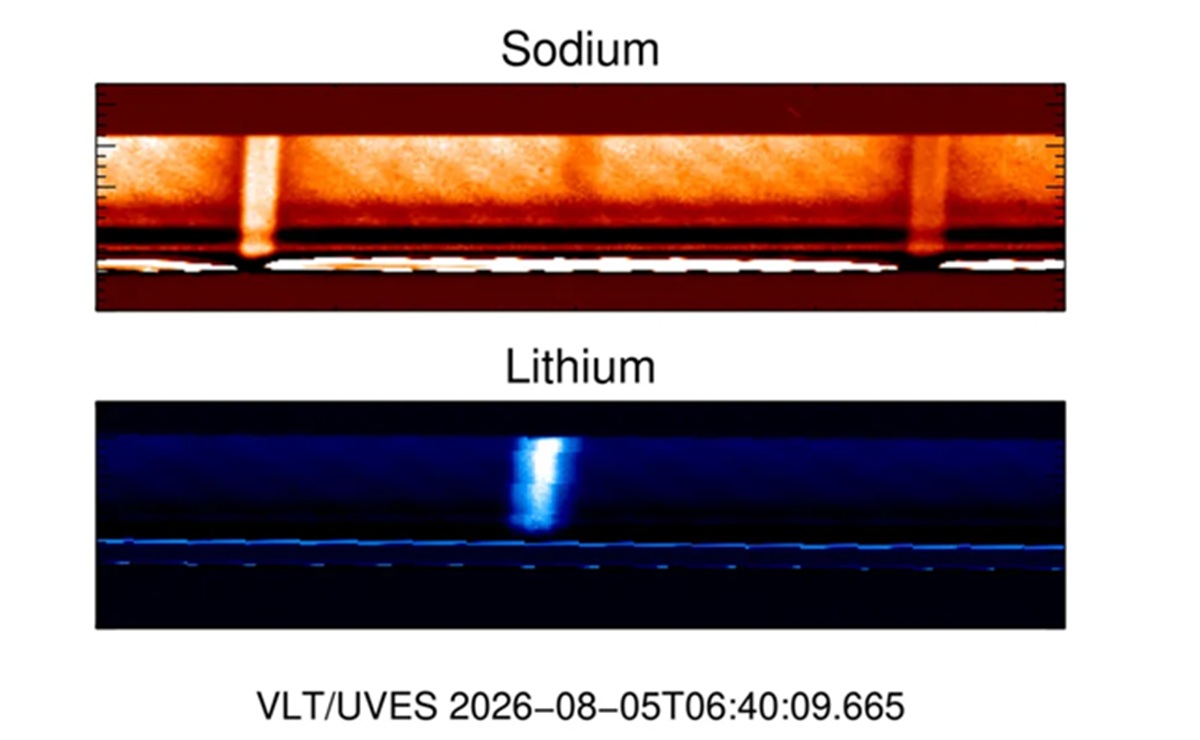
Initial observations from Earth have already detected traces of the collision. Scientists at Lowell Observatory in Arizona reported detecting a gas plume from the impact area.
“We can safely say that we measured a response from the rocket stage impact as a sodium and lithium gas plume several tens of kilometres in size lasting between 5 and 10 minutes after impact,” said Carl Schmidt.