
Space Debris Burning Up in Earth's Atmosphere, Seen from Space, Resembles a Shower of Light
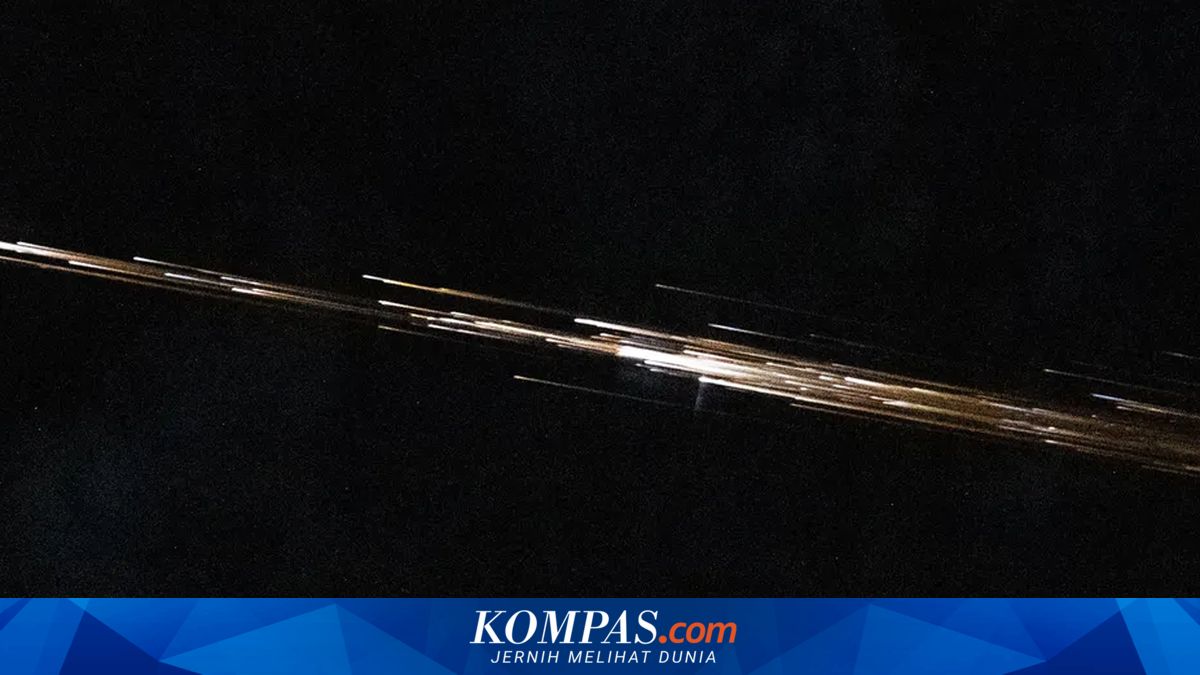
A NASA astronaut, Chris Williams, captured a rare moment when a Russian rocket or unknown space debris tore through Earth’s atmosphere, shattered, and produced a bright shower of light across the night sky. Watching Earth from space is extraordinary, but seeing man-made objects melt and break up in the atmosphere is both awe-inspiring and terrifying. Williams wrote in a post on social media: “I saw the tail section extend and then break into a spray of smaller fragments. It was truly an extraordinary light display!” In a formal blog post, NASA explained that the glowing object observed by the astronaut was most likely debris from a booster that launched the Russian cargo ship Progress 95 (Progress MS-34). The cargo ship had been docked at the ISS several hours before the sighting. However, NASA did not rule out other possibilities. The object could also be an old satellite that failed, another rocket fragment, random space junk, or even a natural meteor burning up on entry. Earth’s orbit is now denser and dirtier than many realise. Based on space-tracking data, the planet is surrounded by around 25,000 pieces larger than 10 centimetres, plus millions of smaller fragments that cannot be tracked. If totalled, there are around 9,000 metric tonnes of metal and debris floating overhead. Altitude plays a key role in how long space junk will persist in space before falling to Earth. By design, expendable rocket stages are meant to be discarded so they burn up in the atmosphere due to extreme drag. While most debris vaporises in the sky, scientists warn that materials used in modern spacecraft are made increasingly strong and heat resistant for safety during launches. This toughness, however, raises the risk that some fragments fail to burn up and reach land intact. NASA estimates that on average one piece of space debris falls back to Earth each day over the past 50 years. To date, only one person on record has been struck by space debris and, fortunately, was not severely injured. Interestingly, the greatest danger lies for people living in the Global South. Using launch-coordinate calculations, the remaining rocket bodies are about three times more likely to strike land in latitudes corresponding to major cities such as Jakarta (Indonesia), Dhaka (Bangladesh), and Lagos (Nigeria) than in northern cities like New York, Beijing, or Moscow.