
Soybean Prices Low but Tofu and Tempeh Remain Expensive, Research Highlights Importers' Margins
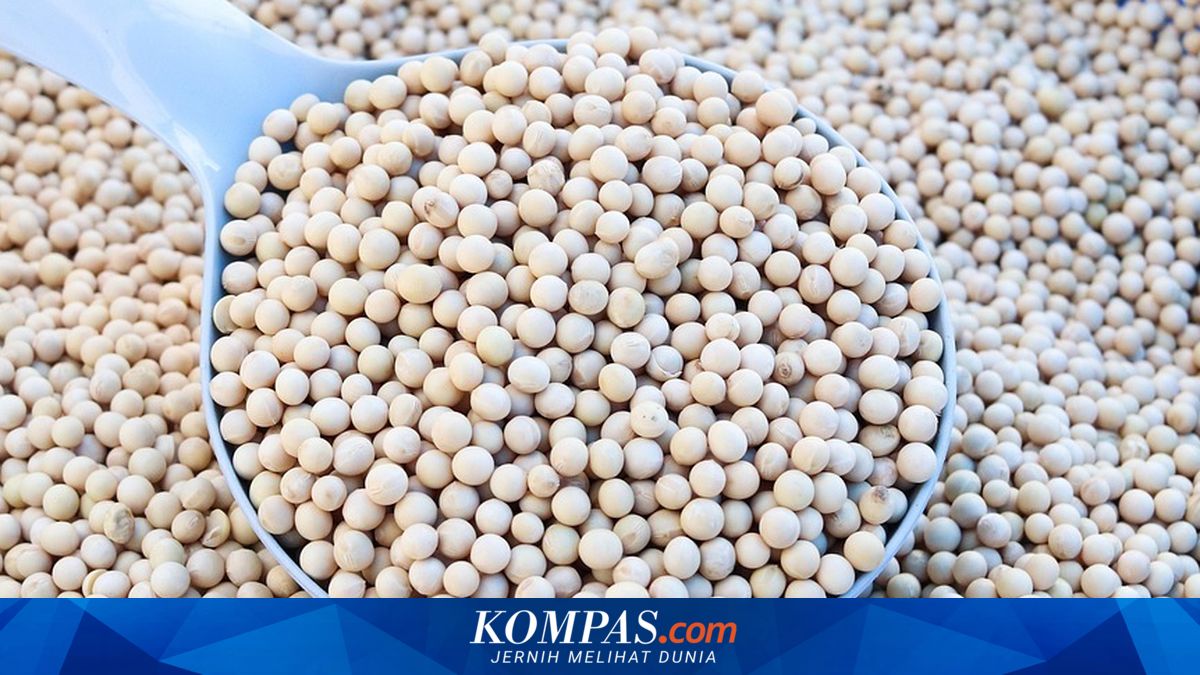
Soybean prices for tofu and tempeh in the domestic market remain high despite relatively low global soybean prices. This situation raises suspicions of serious issues in the national soybean import trade chain, from weak price transmission to potential large profits at the importer level. The NEXT Indonesia Center research institute assesses that the surge in domestic prices is not entirely influenced by global factors. Head Researcher at NEXT Indonesia Center, Ade Holis, stated that the gap between international soybean prices and domestic retail prices is too wide to be explained solely by distribution and logistics costs. “This imbalance indicates serious problems in price transmission from global to domestic levels,” said Ade Holis to reporters on Sunday (10/5/2026). Meanwhile, the reference price in the international market is only around Rp 6,000 to Rp 8,100 per kilogram. This means there is a price difference of around Rp 5,600 to Rp 8,500 per kilogram. According to Ade, this disparity has occurred over the long term and reflects a national soybean trade system that is deemed inefficient and lacks transparency. The NEXT Indonesia Center study also estimates that importers enjoy very large margins. In 2025, the average international soybean price was only around Rp 6,800 per kilogram, while the domestic retail price reached Rp 13,900 per kilogram. With a difference of Rp 7,100 per kilogram and assuming distribution, insurance, and risk costs of around 30 percent, importers are estimated to still pocket an indicative margin of around Rp 5,060 per kilogram. Based on Indonesia’s soybean import volume in 2025, which reached 2.56 million tons, the potential profit for importers is estimated to reach Rp 12.9 trillion in a year. As a result, the phenomenon of asymmetric price transmission emerges, where domestic prices do not move in line with global prices due to the overly dominant bargaining position of importers. Indonesia’s dependence on soybean imports is also considered very high. More than 85 percent of national soybean needs are met through imports, with the United States as the main supplier. During the 2016-2025 period, the contribution of soybean imports from the US reached 91.12 percent of total national imports. The supply volume from that country has even consistently been above 2 million tons per year.