
Sowing Health in the Homeland through BPJS Kesehatan
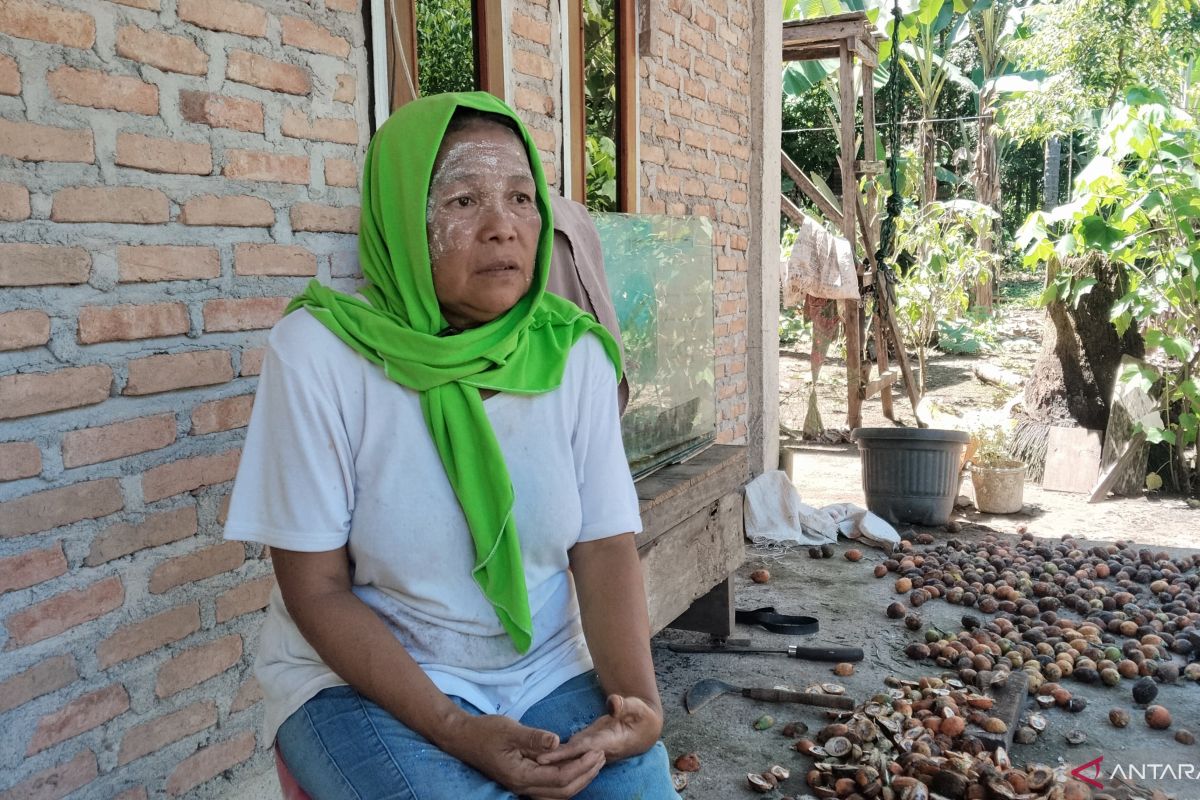
The program is not merely about paying JKN contributions, but about providing the certainty that when illness strikes, every citizen can access healthcare services without being haunted by the anxiety of medical expenses.
Pariaman (ANTARA) - The evening had not yet arrived, but the day already felt grey for Darma不上wati, a middle-aged woman living in the remote area of Nagari III Koto Aur Malintang Selatan, Padang Pariaman Regency, West Sumatra. Almost every day, she grips and swings a machete to split areca nuts, even though her strength is being steadily eroded by an illness that is slowly consuming her body.
In her house, where the walls remain unplastered, she struggles against a disease that forced her to return to her village about three years ago in a thin condition, occasionally coughing up blood. Amidst her routine, hunger strikes again, even though she had eaten a plate of rice with leftovers from the previous night only two hours prior. Her heart races, her body trembles, and cold sweat soaks her clothes. These symptoms are characteristic of hypoglycaemia, or low blood sugar. Darmawati suffers from diabetes, which was discovered while she was undergoing treatment for tuberculosis.
She gazes wistfully at the motorcycles that occasionally pass in front of her house, which is only a few metres from the road, while waiting for the reaction of the medication she purchased at a pharmacy several weeks ago. She has tried various herbal medicines and alternative treatments, but none have yielded results. Some even caused side effects, leading her to eventually stop those treatments. Unfortunately, she and her family are not yet registered as participants in the National Health Insurance (JKN) programme, the social protection programme organised by the government through BPJS Kesehatan.
A different story is experienced by Mina Sikumbang (60), a canteen attendant at SMKN 1 IV Koto Aur Malintang. The traditional community leader, titled Pamuncak Rajo Rangkayo Saradeyo, was once haunted by worry after her sibling was hospitalised and passed away a few days later. Her family was unable to settle the medical expenses, which exceeded Rp9 million.
So far, Mina has only sought treatment at the local community health centre (puskesmas). However, according to her, such services are limited to initial handling. If her illness requires further treatment, she must be referred to a hospital, which certainly requires significant costs that her income is insufficient to cover. This would be different if she were registered as a JKN participant; she believes that through this programme, the community would no longer be overshadowed by the fear of medical costs.
H. Azwar Wahid (73), a migrant from Padang Pariaman Regency, spoke with a trembling voice when describing the condition of his beloved homeland, which is far from the government centre. He believes that its geographical location is why his beloved village remains relatively unknown to the wider public and lags behind in development. Consequently, the figure known as Haji Sagi, along with other migrants, has been active in funding the construction of roads, places of worship, and various social and religious activities in the village.
However, he feels that these efforts have not truly touched the most fundamental issues faced by the community, the majority of whom are farmers. This feeling was strengthened when the village government reported that a resident had passed away in the hospital, while the family struggled to bring the body home due to financial constraints. “I do not want the people of my homeland to be unable to pay hospital fees ever again,” he asserted.