
Sowing food self-sufficiency from behind prison walls
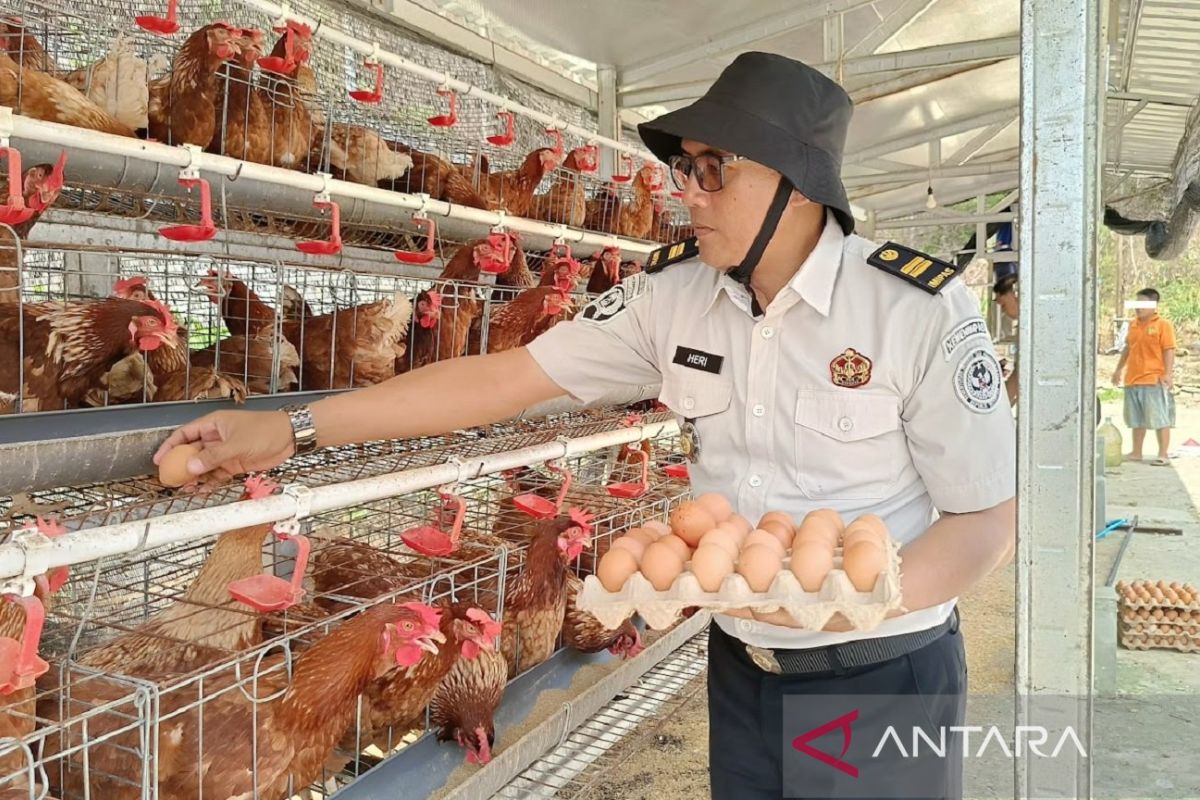
From behind the sturdy walls of correctional facilities in East Kalimantan, seeds of hope have taken root and are flourishing. The inmates are preparing to return home as capable individuals, ready to help rebuild their families’ futures.
Samarinda (ANTARA) – The morning sun rose, lifting the thin mist from behind the high perimeter wall at a prison in Samarinda, East Kalimantan.
The sound of hoes striking the soil greeted dawn in the rehabilitation area. Hands once caught up in troubled pasts now skilfully tend young, dew-covered leaves, care for vegetables and feed livestock, while rebuilding hope in the warmth of the morning sun.
Samarinda Class IIA Narcotics Prison and Tenggarong Class IIA Prison have been transformed into living laboratories. Their Assimilation and Education Facilities (SAE) show how limited space can be turned into a food production centre.
The old, rigid model of corrections is gradually giving way to a more humane space for fostering independence. Prison is not merely a place to serve a sentence, but a setting in which to rebuild confidence that has been lost.
The small plots behind the security walls require carefully planned and efficient farming. The old practice of growing crops in plastic bags has been abandoned in favour of a more sustainable approach.
New technology has been introduced through modern raised beds equipped with an integrated irrigation network. This technical approach makes regular watering easier without requiring too much labour.
Samarinda Narcotics Prison head Puang Dirham explained the move to modern cultivation methods. He stressed the importance of adapting facilities so rehabilitation can proceed in line with prison security standards.
“Switching to modern beds with installed irrigation maximises harvests on limited land. As well as being efficient, the system minimises inmates’ movement outside officers’ supervision,” Puang Dirham said.
The beds are prepared with a mixture of organic fertiliser made by recycling waste generated within the facility. The soil is kept naturally fertile through the workers’ careful removal of weeds and control of pests.
The horticultural crops were selected for their economic value and relatively short growing cycles. Bird’s-eye chillies, purple aubergines, water spinach and pak choi are now flourishing.
Freshly harvested vegetables are prioritised for the prison’s communal kitchen. If supplies exceed its needs, the surplus is sent to outside markets to generate additional funds for the rehabilitation programme.
Watching a small seed grow into fresh vegetables brings inmates a sense of personal satisfaction. The farming process also serves as emotional therapy, teaching patience, discipline and the care required to nurture life.
Source: jawawa.id (https://jawawa.id/newsitem/sowing-food-self-sufficiency-from-behind-prison-walls-1794228761)
Originally published by Antara (Indonesian) (https://www.antaranews.com/berita/5842163/menyemai-kemandirian-pangan-dari-balik-jeruji), translated from Indonesian