
Sovereignty seen as potential challenge to AI adoption in ASEAN
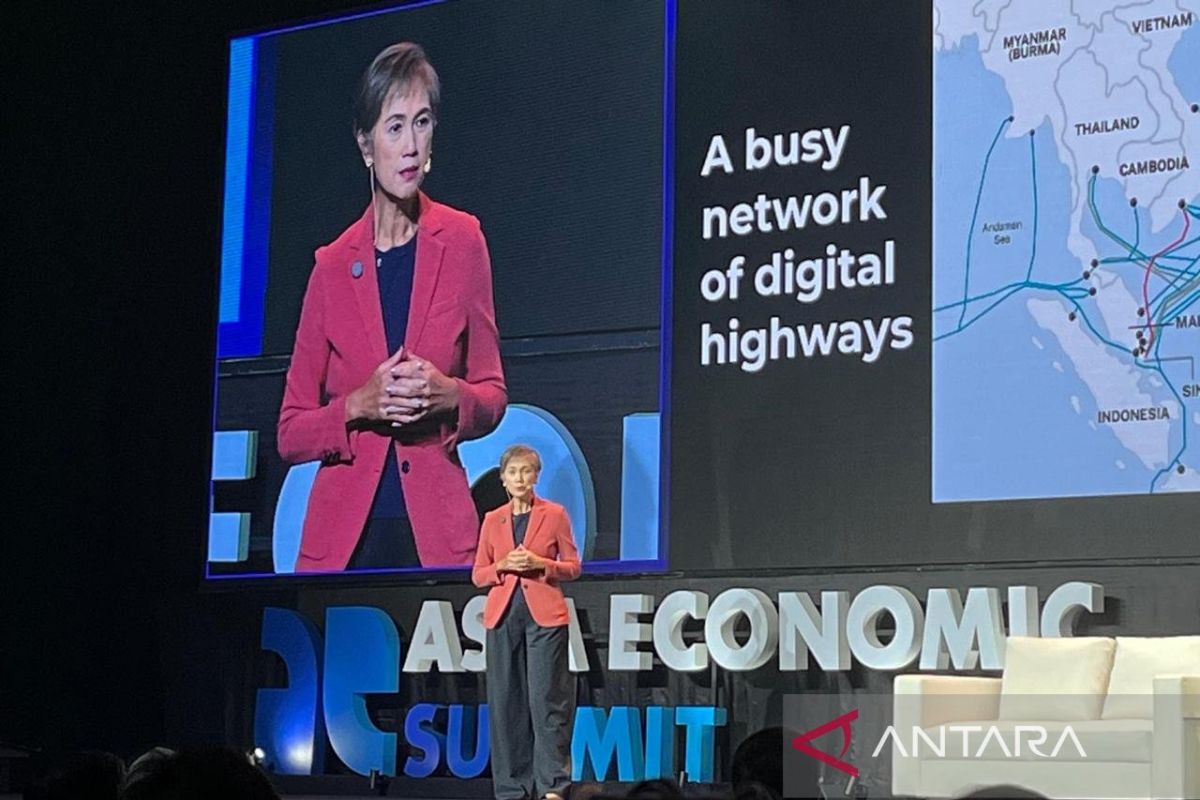
Singapore’s Minister for Digital Development and Information, Josephine Teo, has highlighted that the concept of sovereignty could potentially become a challenge in the adoption of artificial intelligence (AI), particularly within the ASEAN region. Speaking at the Asia Economic Summit 2026 in Jakarta on Wednesday, Teo assessed that countries’ responses to the need for AI sovereignty risk becoming a challenge because the issue is often narrowly viewed as a matter of ownership and a technology race. “The issue of ownership and the race to build or control the entire AI technology chain, from chips, models, data, to applications. This view is understandable, but quite unrealistic and perhaps not helpful for many countries,” Teo said. Sovereignty, Teo continued, is a legitimate concern, and rightly so. Every country must be able to use AI according to its own interests to serve its people. Most nations, especially in ASEAN, also have other budgetary priorities, such as caring for ageing populations, healthcare, or education. In this regard, Teo highlighted that AI development is formulated through three approaches: ensuring the ability to harness and regulate AI for the benefit of the wider public; having autonomy in determining partners, technology sources, and appropriate forms of cooperation; and strengthening the AI ecosystem’s foundation through support for research institutions, developer communities, businesses, and digital talent development. “These three objectives will require considerable effort to achieve. But that is the way that helps us protect our citizens and our strategic interests. It must be our priority,” she added. An increasing number of companies are beginning to integrate AI into their operations. Meanwhile, the population is young, digitally connected, and quick to adapt, and governments continue to push for the upskilling of students in AI while strengthening cooperation with technology companies. Infrastructure development is taking place on a large scale. New data centre capacity continues to emerge across almost the entire region. According to Teo, between 2025 and 2030, this capacity is expected to more than triple. “ASEAN’s strength has never come from uniformity. ASEAN’s strength has always come from our ability to work together despite our differences. As long as ASEAN continues to move forward together, we can achieve far more,” Teo said.