
Southwest Papua Optimises Forest Potential to Support National Climate Agenda
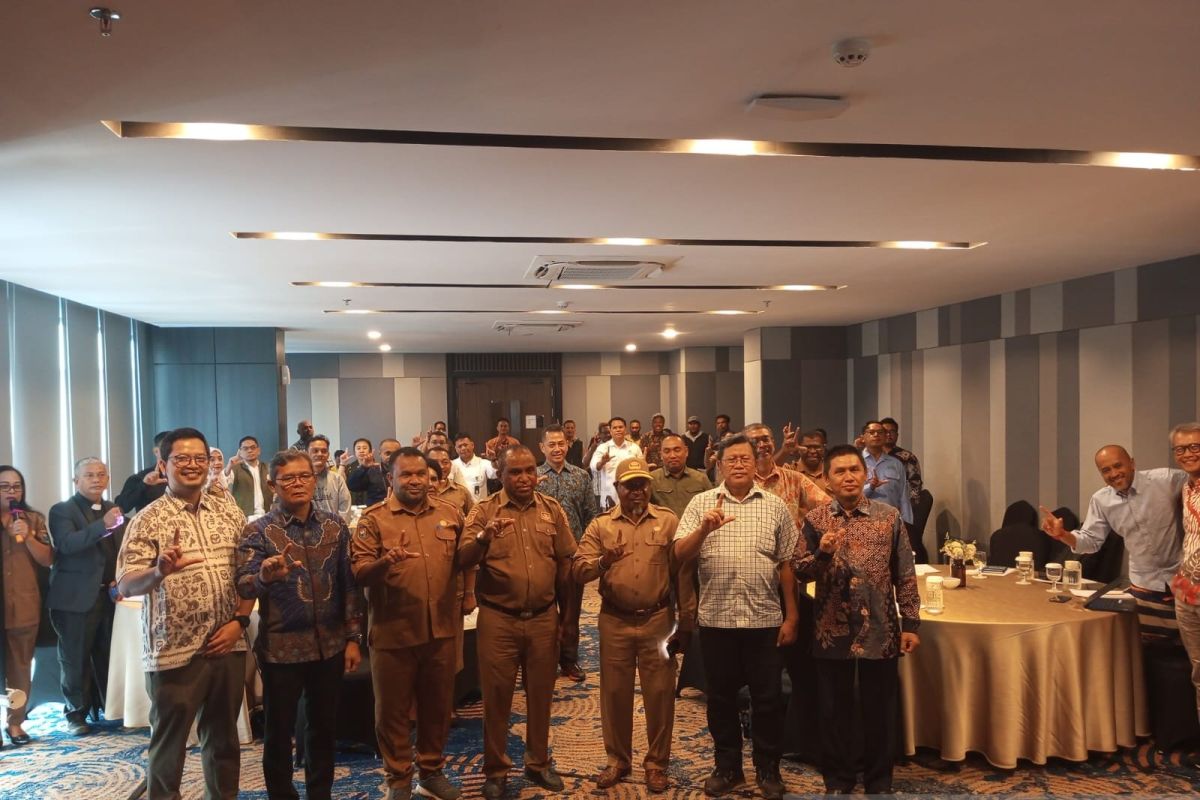
The Provincial Government of Southwest Papua is optimising its forest potential and natural resources to support the national climate agenda whilst realising sustainable, low-carbon development. Assistant II for Economy and Development of the Southwest Papua Regional Secretariat, Viktor Solossa, stated in Sorong on Tuesday that Southwest Papua holds a strategic position in supporting Indonesia’s climate change control efforts. According to him, Southwest Papua, along with the Papua region in general, still possesses extensive forest cover, high biodiversity, and various environmental services that play a crucial role in maintaining climate balance as well as sustaining the lives of the community. “Southwest Papua and the Papua region have a very strategic position in supporting Indonesia’s low-carbon development agenda. The forests and natural resources we have must continue to be protected as long-term development assets,” he said. He explained that amidst increasing global climate change challenges, Indonesia continues to strengthen its commitment to sustainable forest management, enhancing the integrity of climate action, and optimising climate funding opportunities through various national policies. These initiatives carry a multi-province approach involving Southwest Papua, West Papua, Papua, Papua Pegunungan, Central Sulawesi, and North Maluku in efforts to strengthen forest management, control greenhouse gas emissions, and utilise natural resources sustainably. “In relation to that, we are holding a workshop as an important momentum to strengthen shared understanding regarding jurisdictional REDD+ and ART TREES standards, as well as to share experiences and learning between regions to support the readiness of programme implementation at the subnational level,” he said. According to him, low-carbon development must be able to maintain a balance between economic growth, environmental protection, and improving community welfare, especially indigenous peoples and local communities who have played a role in preserving the forests. He hopes the activity can strengthen cross-sector and cross-regional coordination, enrich understanding of policy, technical, and institutional aspects in the implementation of jurisdictional REDD+, and produce constructive recommendations for future programme development.