
Southeast Asia Eyes Nuclear Energy, What About Indonesia?
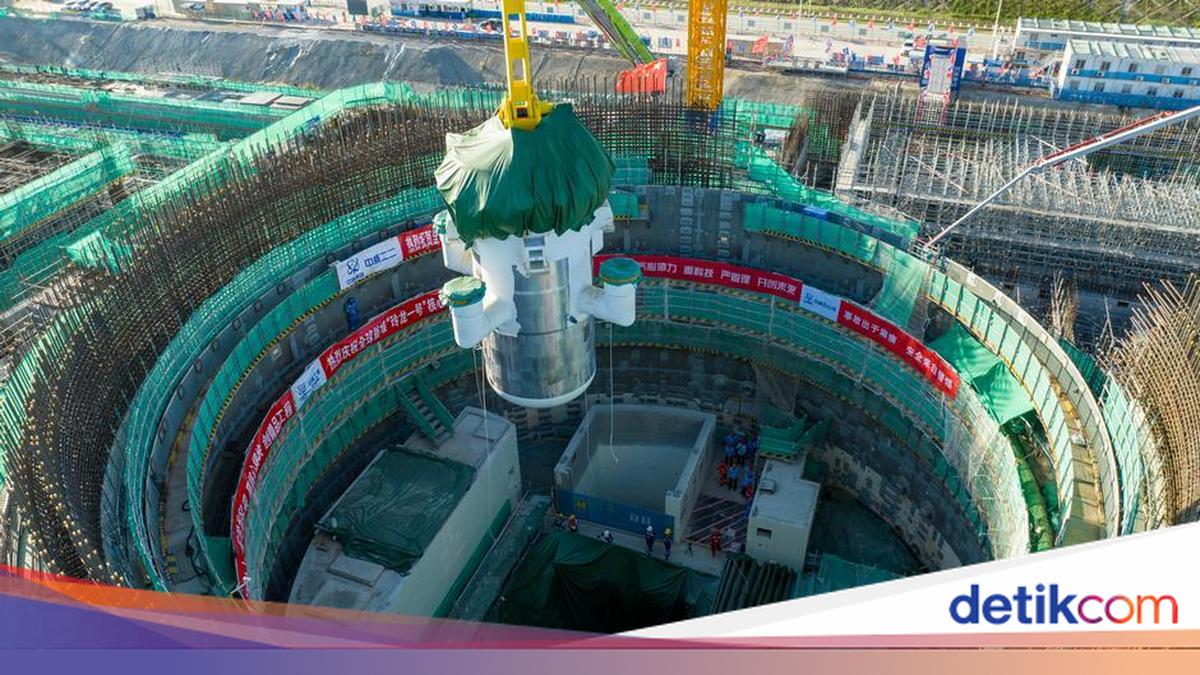
Governments across Southeast Asia are revisiting nuclear energy amidst rising electricity consumption, which highlights the region’s dependence on fossil fuels. This surge is primarily driven by the construction of new factories, electric vehicles, and the ambitions of regional nations to become data centre hubs, all amidst efforts to reduce carbon emissions.
Currently, no country in Southeast Asia operates a commercial nuclear power plant. However, several nations are beginning to bet on nuclear energy and are reviving plans that had been stalled for years. On 8 September, Vietnam’s state-owned energy company, Petrovietnam, and South Korea’s KEPCO agreed to deepen cooperation regarding the development of the Ninh Thuan 2 Nuclear Power Plant in Vietnam. Six days later, the Singaporean government stated it is examining nuclear energy and Small Modular Reactors (SMRs) with an “open mind,” though it emphasised that no decision has been made yet.
Vietnam aims to operate two Ninh Thuan nuclear plants by 2035 and develop at least one SMR project. Indonesia plans to build an initial nuclear capacity of 500 megawatts, with the first unit targeted to begin operations in 2032. Meanwhile, the Philippines is targeting its first nuclear capacity of 1,200 MW starting in the same year. Thailand’s latest draft electricity plan proposes the construction of its first SMR by 2037, while Malaysia and Singapore remain in the study phase.
Energy Shocks vs. the Shadow of Fukushima
The renewed interest in nuclear energy marks a sharp shift from the cautious stance that emerged following the 2011 Fukushima nuclear disaster in Japan. The accident caused the nuclear development plans of several Southeast Asian nations to halt, according to Alvin Chew, a senior researcher at the S. Rajaratnam School of International Studies (RSIS), Nanyang Technological University, Singapore.
However, a series of geopolitical shocks in recent years has altered the energy debate. The International Energy Agency (IEA) noted that electricity generation in Southeast Asia has increased by approximately 60% since 2015. Coal has contributed to most of this increase, with its share in the region’s power generation rising from 37% to 47%.
The wars in Ukraine and the crisis in the Middle East are currently heightening concerns regarding energy security in developing nations. This is occurring at a time when most Southeast Asian governments have committed to achieving net-zero emissions by 2050 or 2060, Chew noted. Electricity demand in the region is expected to grow at an average of 5.3% per year during the 2026 to 2030 period. “Nuclear energy is seen as a viable solution to address two challenges simultaneously: climate change and energy security,” said Chew.
The Appeal of Modular Reactors
One reason governments are reconsidering nuclear energy is that current technology is vastly different from that used 15 years ago at Fukushima. SMRs have expanded the range of developable projects. Unlike conventional reactors, SMRs are designed as smaller units that can potentially be added incrementally.
“In the past, nuclear energy development generally meant building very large conventional reactors, with long construction periods, massive initial investments, and the need for a power grid capable of absorbing very large capacity units,” said Jie-Sheng Tan-Soo, an assistant professor and director at the Lee Kuan Yew School of Public Policy, Singapore. “SMRs have changed the nuclear debate in Southeast Asia because this technology has the potential to make nuclear energy more suitable for smaller power grids, smaller nations, and investments made incrementally.”
However, this does not mean SMRs will solve the economic issues of nuclear energy. Many SMR designs are still in the early stages of implementation. This means the promise of lower construction costs through mass production has not yet been widely proven on a commercial scale.
Another factor driving nuclear energy back onto government agendas is the rapid expansion of data centres, which require large amounts of electricity and a reliable supply, said Julius Cesar Trajano, a researcher at the Centre for Non-Traditional Security Studies, RSIS. The IEA estimates that data centre electricity consumption in Southeast Asia will more than double by 2030. Over 70% of the region’s existing data centre capacity is concentrated in Singapore and southern Johor, Malaysia.
“Therefore, countries are now considering nuclear energy with a greater emphasis on governance and regulatory capacity compared to previous efforts,” said Trajano.
Building the Foundation for Nuclear Safety
Nevertheless, the fundamental challenges remain the same. Nuclear power plants, including SMRs, still require significant time and capital. Countries newly developing nuclear energy must also establish independent regulators, train experts, and develop credible systems to handle radioactive waste and emergency situations.
Geographical factors add further difficulty. Several regions in Southeast Asia are vulnerable to earthquakes, volcanoes, and tsunamis, making site selection and emergency planning crucial. Nuclear energy also places immense demands on state institutions, according to Tan-Soo. Governments require institutions that take a long time to build and can remain reliable for decades. “For countries developing nuclear energy for the first time, building this ecosystem can require as much effort as building the plants themselves,” he added.
Source: jawawa.id (https://jawawa.id/newsitem/southeast-asia-eyes-nuclear-energy-what-about-indonesia-1790150585)
Originally published by detikcom (https://news.detik.com/dw/d-8675563/asia-tenggara-lirik-energi-nuklir-bagaimana-indonesia), translated from Indonesian