
South Tangerang Maintains Zero Dengue Deaths Since 2023 Through G1R1J Programme
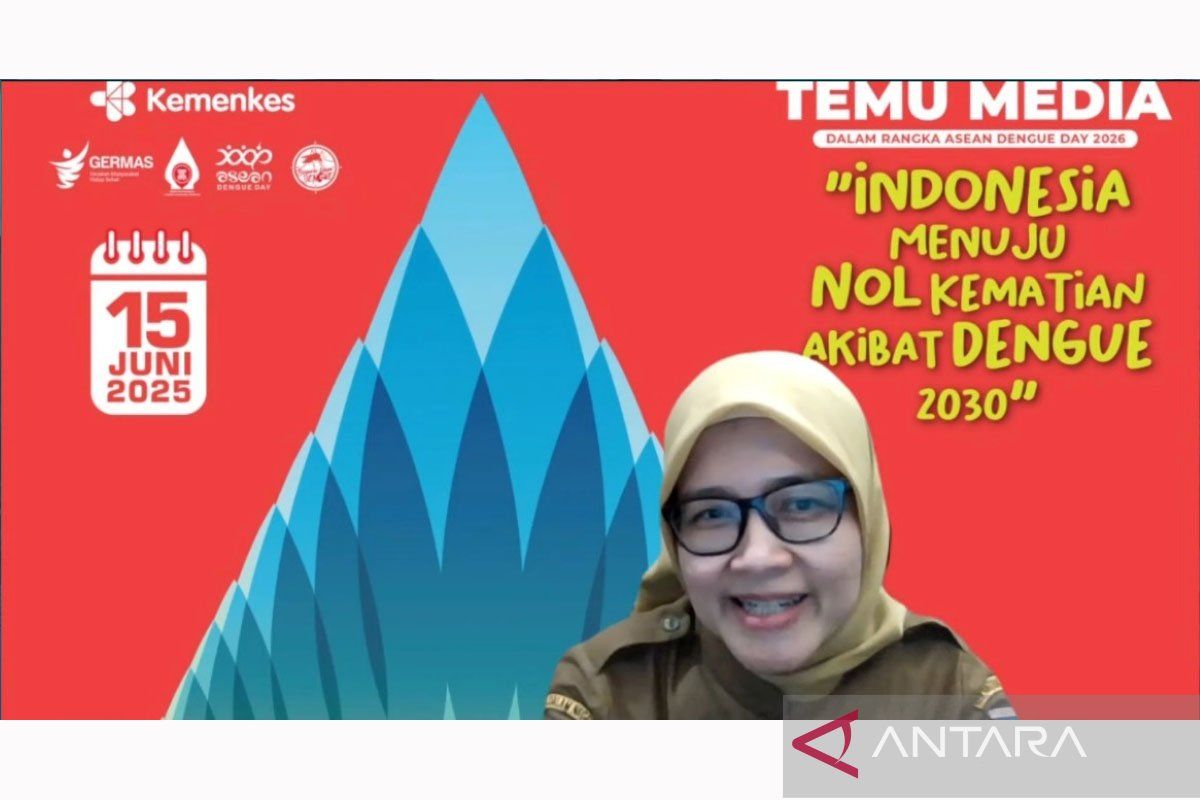
The Health Office (Dinkes) of South Tangerang (Tangsel) stated it has maintained zero Dengue deaths since 2023 through three policies: community empowerment, technology, and integrated activity monitoring, encapsulated in the ‘1 House 1 Larvae Monitor’ Movement (G1R1J).
Head of the South Tangerang Health Office, Allin Hendalin Mahdaniar, said in Jakarta on Monday that these three policies form the basis of several strategies, such as G1R1J, which has scaled up to become Larvae-Free Neighbourhood Units (RT), Larvae-Free Community Units (RW), up to the sub-district level, with continuous monitoring of its implementation.
In preparation for ASEAN Dengue Day 2026, the office also has a 2024-2030 roadmap for the movement to make South Tangerang free of mosquito larvae and Dengue Haemorrhagic Fever (DBD). “And this year, we are targeting 60 percent of RWs in South Tangerang to be certified larvae-free,” she said.
To further foster public awareness and involvement in the movement, the office is striving to cultivate a culture of PSN 3M Plus, which involves draining and covering water containers, recycling used goods, using mosquito repellent lotion, wearing covered clothing, installing wire mesh on windows, using larvicide, and working together to maintain environmental cleanliness.
She explained that the South Tangerang City Government (Pemkot) remains committed to supporting the movement, which requires backing through both community participation and budget allocation. Regarding the budget, the burden is not placed solely on the health sector but is also distributed to regions through consultative forums at the village, sub-district, and city levels.
Andi noted that in 2025, Indonesia recorded approximately 161,000 Dengue cases with more than 600 deaths. “Although the number of cases fluctuates from year to year, we must not be complacent. Dengue disease is heavily influenced by climate change, environmental conditions, population mobility, and health system readiness. Therefore, the approach to tackling it can no longer be merely reactive but must also become increasingly preventive, predictive, and sustainable,” she said.
She expressed hope that the ASEAN Dengue Day 2026 media gathering would strengthen the commitment to achieving zero Dengue deaths by 2030.