
South Sulawesi MKTI Chair: Forest conservation must become a collective movement
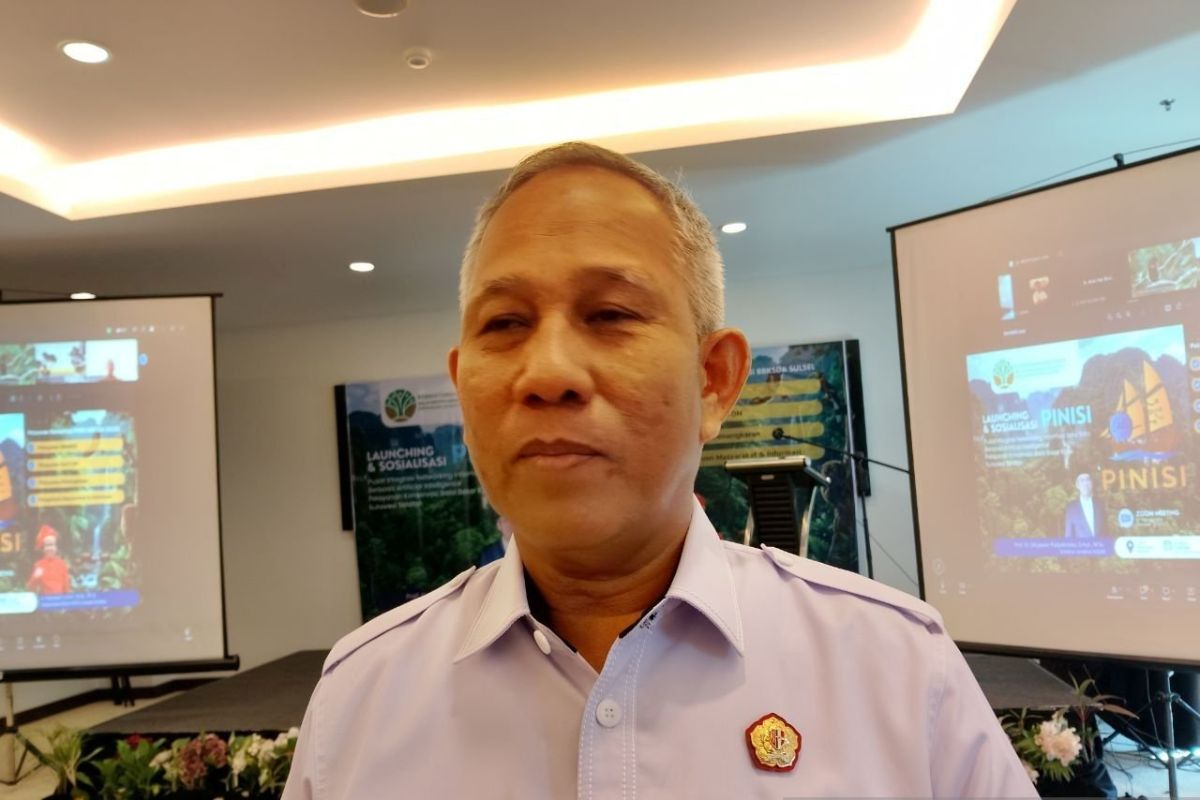
Prof. Dr. Yusran Yusuf, chairman of the Indonesian Soil and Water Conservation Society (MKTI) for South Sulawesi, has stated that saving the region’s forests must become a collective movement in response to increasingly alarming conditions. He emphasised that forests must be rescued through multi-party collaboration to address land conversion, encroachment, forest fires, and watershed degradation. Data from the South Sulawesi Environment and Forestry Office (DLHK) records the total forest area in the province at 1,991,144 hectares, yet remaining forest cover is only about 1,434,185 hectares, meaning approximately 556,959 hectares have lost their vegetation cover. Furthermore, between 1990 and 2016, around 181,385.77 hectares of forest were converted to non-forest areas, primarily for agriculture and plantations, with East Luwu Regency experiencing the highest deforestation at 56,085.11 hectares. Although there was an increase in forest cover of roughly 76,040.96 hectares between 2018 and 2020, pressure on forest areas continues. A 2021 forestry sector report noted 1,424.29 hectares of forest were encroached upon, seven hectares were burned, and 0.5 hectares were damaged by illegal mining. Yusran stressed that forest conservation cannot be postponed and must begin as a joint movement from the household level up to government programmes. He highlighted the forest’s vital role in regulating water systems, absorbing carbon, protecting biodiversity, and supporting community livelihoods, warning that continued damage will heighten the risks of floods, landslides, soil degradation, and disruption to agricultural productivity. He added that soil, water, and forest conservation is a long-term investment for sustainable development, noting that approximately 95 per cent of human food needs come from the soil, making the preservation of soil quality and forest sustainability the main foundation of food security. He called on government, universities, businesses, community organisations, indigenous peoples, and local communities to strengthen collaboration through critical land rehabilitation, forest protection, control of land conversion, conservation education, and law enforcement against forest destroyers. MKTI South Sulawesi hopes that integrated conservation efforts can curb the rate of forest destruction while maintaining a balance between economic development and environmental sustainability.