
South Sulawesi Library Launches 'Student Goes to Archives' Programme
Makassar (ANTARA) - The South Sulawesi Provincial Library and Archives Office has launched the “Student Goes to Archives” programme as a new approach to introducing authentic archives as a resource for learning and research among university students.
In a departure from the previous “Archives Goes to Campus” concept, this programme encourages students to visit archival institutions directly. This allows them to utilise archives as primary data sources while understanding the importance of preserving the region’s collective memory.
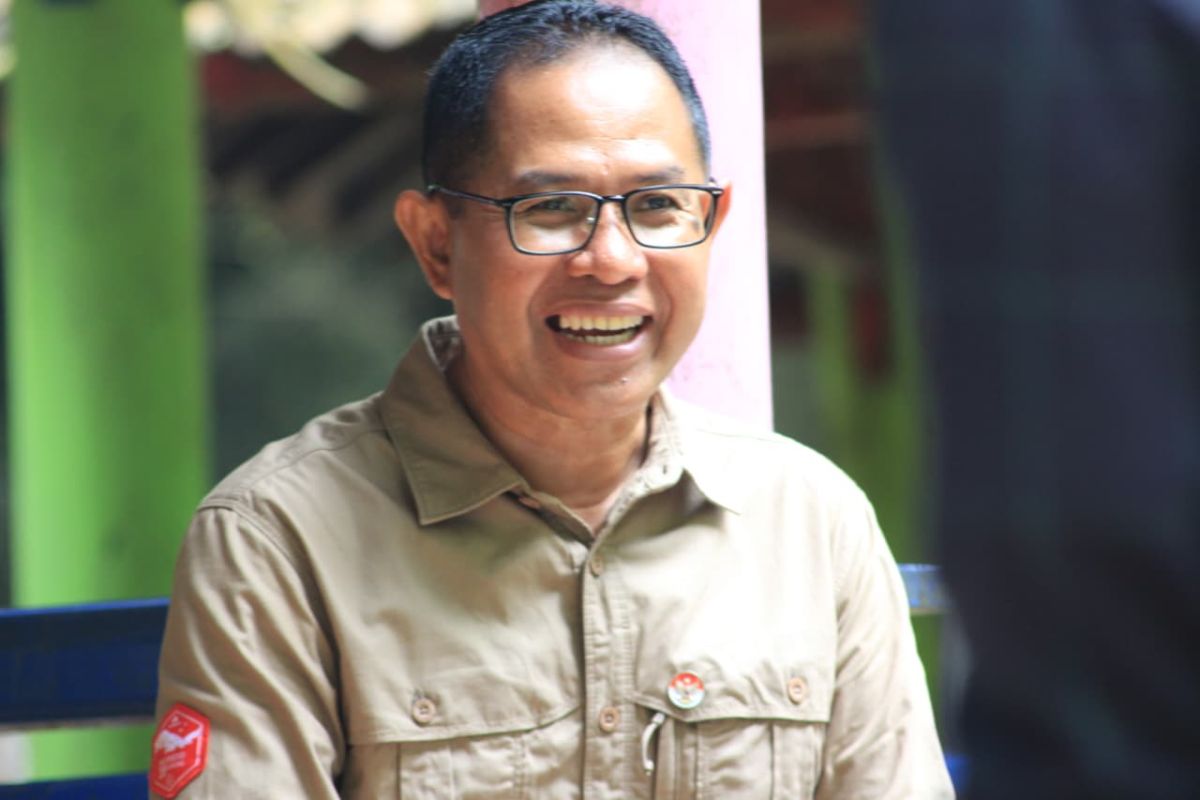
The Acting Head of the South Sulawesi Library and Archives Office, Muhammad Jufri, stated in Makassar on Wednesday that the conceptual change was implemented because archives are authentic documents whose integrity must be maintained, making it impossible to move them outside of storage facilities.
“Initially, our concept was indeed Archives Goes to Campus, but we changed it to Student Goes to Archives because archives must not be taken out,” he said.
He explained that archives must remain in their storage locations to ensure their authenticity is preserved and to prevent damage caused by frequent movement or handling.
Under this concept, students are encouraged to visit the Archival Services Technical Implementation Unit (UPT) directly to utilise the archival collections as primary data sources.
Currently, the South Sulawesi Library and Archives Office manages 48 collections of historically significant static archives that can be used for research, education, and public literacy in accordance with service procedures.
Jufri emphasised the need to strengthen collaboration between the government, universities, and communities to increase the use of archives as a source of scientific information for lecturers, students, researchers, and the general public.
“Universities have lecturers, researchers, students, and academics who require primary data. Archives serve as one of the most authentic sources for the preparation of undergraduate, master’s, and doctoral theses, as well as historical research,” he added.