
South Sulawesi Governor Shares Success Strategies for Addressing 27,000 Out-of-School Children at Bappenas
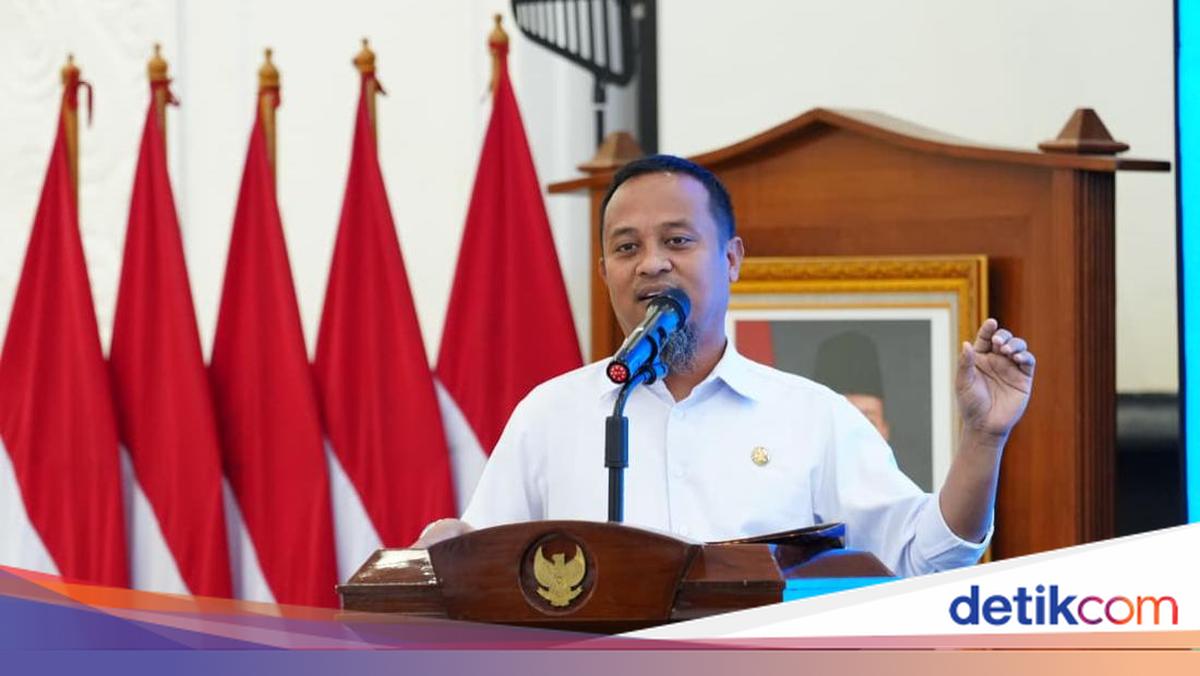
Andi Sudirman served as a speaker during the launch of Presidential Regulation Number 3 of 2026 concerning the Prevention and Handling of Out-of-School Children (ATS) in Jakarta on Wednesday (3/6/2026). He joined high-ranking officials including the Minister of National Development Planning/Head of Bappenas Rachmat Pambudy, the Minister of Religious Affairs Nasaruddin Umar, the Minister of Primary and Secondary Education Abdul Mu’ti, the Coordinating Minister for Human Development and Culture Pratikno, and the Deputy Minister of Home Affairs Bima Arya Sugiarto.
The forum served as a critical moment as Presidential Regulation Number 3 of 2026 is a national policy designed to strengthen the implementation of the 13-Year Compulsory Education programme. The regulation also aims to accelerate the handling of children currently outside the education system.
During his presentation, Andi Sudirman detailed South Sulawesi’s journey towards providing more inclusive and equitable access to education. He emphasised that addressing out-of-school children is not merely an educational programme, but a significant investment in human resource development.
“The South Sulawesi Provincial Government has chosen a collaborative approach involving all elements, from the government, the business sector, universities, and community organisations, to international development partners,” stated Andi Sudirman.
One innovation attracting national attention is the PASTI BERAKSI programme (Action-Based Collaborative Handling of Out-of-School Children), launched on 28 July 2022. This innovation led South Sulawesi to win the SDG’s Action Award 2024, a prestigious award recognising tangible contributions to the Sustainable Development Goals.
The South Sulawesi Provincial Government’s commitment is further reinforced by various regulations serving as the legal framework for handling ATS. These include Regional Regulations, Governor Regulations regarding the Accelerated Action Plan for Handling Out-of-School Children, and the Regional Action Plan for the Prevention and Handling of Out-of-School Children for 2025-2029.
Various supporting programmes are being implemented sustainably, including the provision of formal and non-formal education services, scholarship facilitation, school equipment assistance, the development of technology-based learning through ‘Smart School’, family education, vocational skill strengthening, and regular monitoring and evaluation.
The results are tangible. The percentage of out-of-school children aged 7-18 in South Sulawesi, which stood at 8.51 per cent in 2020, was successfully reduced to 6.37 per cent by 2025. Furthermore, as of 31 August 2025, a total of 28,702 children aged 7-18 and 13,332 youths aged 19-24 were successfully returned to educational services through various programmes implemented by the South Sulawesi Provincial Government alongside stakeholders.
These achievements received appreciation from the Ministry of National Development Planning/Bappenas, which noted that local governments and development partners have introduced various best practices in handling ATS. Specifically, the Governor of South Sulawesi was highlighted as a regional leader demonstrating progressive steps and real results in providing services to the community.
“That is why we have invited the Governor of South Sulawesi, who has been very progressive in resolving the Out-of-School Children issue through the issuance of a Governor Regulation on the Accelerated Action Plan for Handling Out-of-School Children, and has successfully returned 27,000 children to educational services,” concluded Bahjuri Ali, Deputy for Human Development and Culture at Bappenas, at the start of the event.
This recognition from the central government reinforces South Sulawesi’s position as a leading region in educational sector development. Under the leadership of Governor Andi Sudirman and Deputy Governor Fatmawati Rusdi, regional innovations are not only benefiting the people of South Sulawesi but also serving as inspiration for the formulation of national-level educational policies.