
South Sulawesi Deputy Governor Urges Public to Provide Accurate Data for 2026 Economic Census
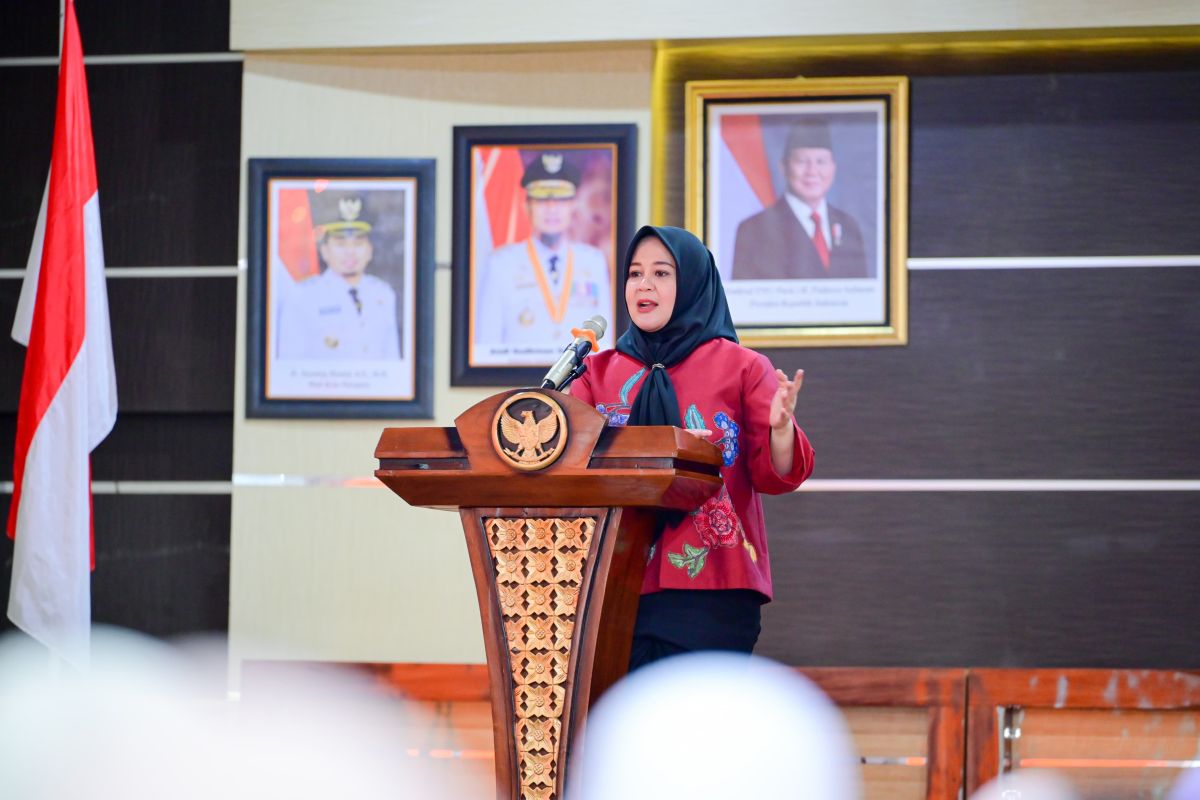
Makassar (ANTARA) - South Sulawesi Deputy Governor Fatmawati Rusdi has urged the public to provide accurate data to ensure the success of the ongoing 2026 Economic Census in the region. “The success of this census is not solely the task of the Central Statistics Agency (BPS). It requires the support of the entire community. The better the data we have, the better the policies that can be formulated to meet the needs of the people,” she said in a statement in Makassar on Tuesday. Fatmawati welcomed the implementation of the census, noting that the availability of quality data is an essential foundation for designing government policies that align with the needs of the community. According to her, the census results will help the government develop more effective development programmes, strengthen public services, and support equitable welfare distribution. She assessed that the 2026 Economic Census is also a momentum to strengthen the implementation of One Data Indonesia through the provision of information that is more accurate, up-to-date, and accountable. “Valid data is very important so that every government policy and programme is truly on target. With good data, the government can make more precise decisions according to the real conditions of the community,” she said when receiving an audience from BPS South Sulawesi. Meanwhile, Head of BPS South Sulawesi Aryanto explained that the 2026 Economic Census aims to obtain a more comprehensive picture of economic activity as a basis for formulating various development policies. The 2026 Economic Census is a national statistical agenda to capture the development of economic activity and the business world in Indonesia. Its results will become an important reference in development planning, economic policy formulation, and data-based decision-making at both the central and regional levels.