
South Korea's elderly population reaches 21 per cent
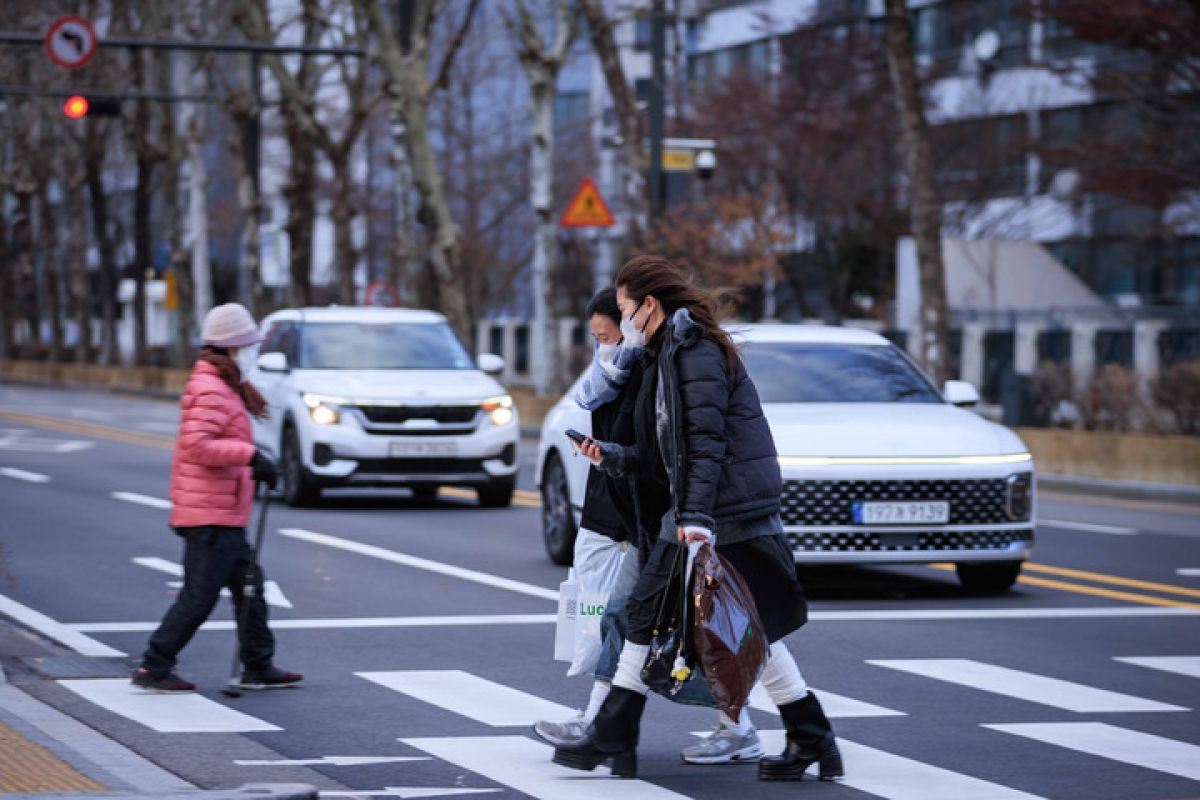
Seoul (ANTARA) - The elderly population in South Korea has now reached 21.6 per cent of the country’s total population, as the ageing process accelerates, according to data from the South Korean Ministry of Statistics released on Thursday (1/10).
The number of residents aged 65 and over is expected to reach 11.125 million by 2026, accounting for 21.6 per cent of the nation’s total population, according to the ministry.
South Korea officially attained super-ageing society status last year after the proportion of elderly residents reached 20.3 per cent, surpassing the 20 per cent threshold. Since then, the trend of population ageing in the country has continued to intensify.
The ministry estimates that the elderly population will exceed 30 per cent of the total population by 2036 and 40 per cent by 2050.
The elderly dependency ratio—the comparison of the elderly population to the productive-age population (15-64 years)—is projected to surge from 31.3 in 2026 to 50.1 in 2036 and 100.8 in 2066.
The number of households headed by individuals aged 65 and over is expected to reach 6.507 million by 2026, representing 28.8 per cent of all households in the country.
Among these elderly-headed households, single-person households are the most common, at 38.0 per cent. Households consisting only of married couples rank second, at 35.1 per cent.
The number of elderly-headed households is expected to exceed 10 million by 2038, while their proportion of all households is projected to surpass 50 per cent by 2052.