
South Korea's Birth Rate Plummets, Monks Step In to Help Singles Find Love
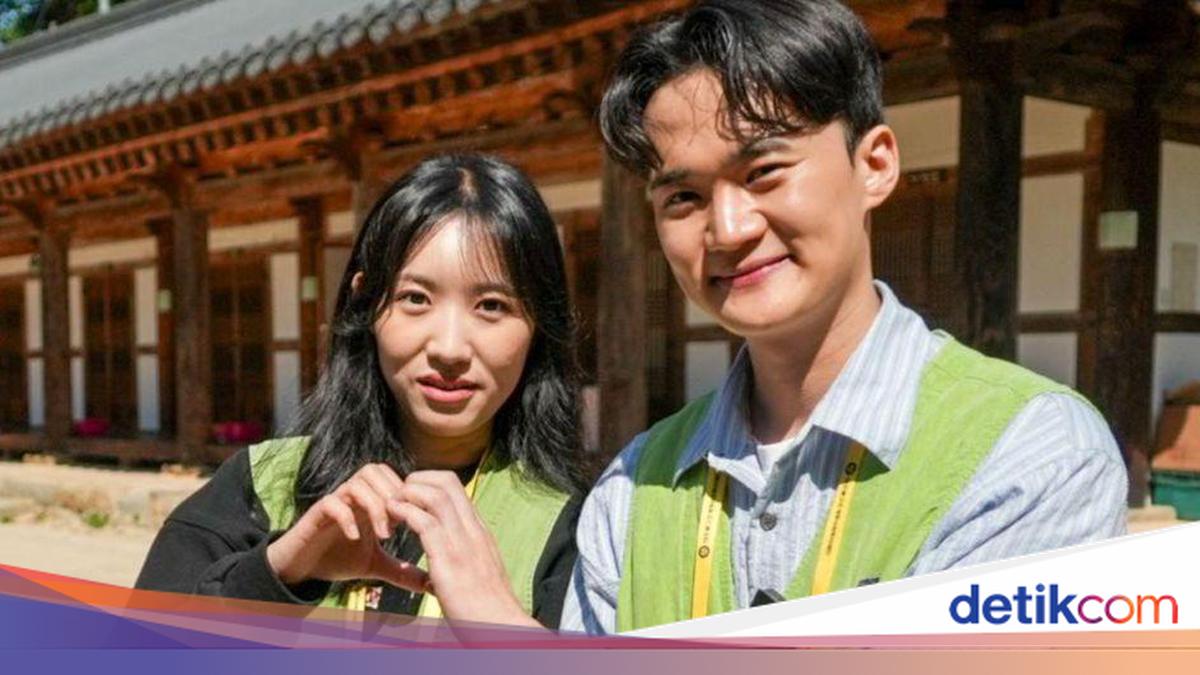
A monk in an orange robe captivated a group of young men and women before him. Without hesitation, he declared that the monks were there ‘on a mission to save the country’. Their method: to match single men and women with partners, so that one day they might have children. The audience chuckled softly, occasionally glancing nervously at their potential matches. This was not the start of a popular new reality show. It was a real-life dating retreat held at an eighth-century Buddhist temple, nestled amongst the dense trees of Mount Palgongsan in South Korea. The 30-hour event was filled with various activities and endless awkward moments, all designed to break the ice and help the single participants find love. ‘Buddhists have always been the first to act when our country is in trouble,’ said host Yoo Cheol-ju, referring to the time when Donghwasa Temple served as a base for a monk militia that defended Korea from Japanese invaders in the 16th century. This time, however, the threat is not from abroad. ‘The low birth rate is a national crisis. We have to do something about it,’ Yoo said. As in other parts of the world, South Korea’s birth rate has plummeted as the country has become more prosperous. In 2023, the average number of children a South Korean woman is expected to have in her lifetime, or the total fertility rate, fell to an all-time low of 0.72, far below the population replacement level of 2.1. Some blame the problem on soaring housing costs and a lack of financial support for childcare. Others argue that women are prioritising their careers or simply exercising their right to choose how they live. However, research shows that young South Koreans are now going out and dating less frequently than ever before. While some choose to remain single, many struggle to find a partner, leading to a decline in marriage rates. Meanwhile, the government has begun offering longer parental leave, cash subsidies for new births, and subsidised flats for newlyweds. Local governments and civil society groups are going a step further by organising government-supported matchmaking events, like this one at Donghwasa Temple. And these events are far more exciting than one might imagine. Kim Ah-kyung, known by her Buddhist name, Sunhyeji, was one of the first to arrive. The cheerful 28-year-old sat on the veranda of a bungalow in the temple complex, greeting the other female participants as they began to arrive. They had all passed a highly rigorous selection process, which involved a questionnaire and a selfie video to assess how serious they were about marriage and having children. They beat out more than 1,580 other applicants to attend the retreat, which is open to everyone regardless of religion. Sunhyeji had struggled to find a suitable partner after leaving the Seoul area to work in provincial offices in the south-east. ‘There really is no opportunity to meet men,’ she said. ‘I just go back and forth between the office and home. I have no hobbies. I tried to find a hobby, but they were all solitary activities.’ Everyone in her office was much older than her. Dating can feel difficult in South Korea. People typically meet romantic partners through school, work, or sogaeting—blind dates arranged by friends or family. Otherwise, casual conversation in big cities is rare, and the drinking culture is declining. Dating apps have never really taken off. In 2015, after years of stagnant growth, Tinder began advertising itself as a friend-finding app to appeal more to young people. Kwon Seung-oh, 30, who goes by Enyo, had always been reluctant about the idea of meeting strangers online. His friends had set him up on blind dates about ten times, but for him, all those meetings were superficial interactions that never led anywhere. Moreover, 97 per cent of his colleagues at a large dairy factory on the outskirts of Daegu were men. That is why he was now at Donghwasa Temple. Chivalry was on display even before the day’s activities began. As the female participants arrived at the complex, the potential male suitors rushed to greet them, offering to help carry their suitcases to their rooms. Enyo was determined to find a suitable partner. During the first activity of the day, an introductory session, he shared French pastries he had baked himself, impressing the attendees with his skill. Then came the time for the first date. Sunhyeji was paired with Minho, a friendly 32-year-old civil servant. The two strolled along a forest path surrounding the temple and managed to have a private conversation. Later, the men were asked to give a plastic rose to the woman they wanted to get to know better during a lunch date. Minho chose Ruby, a 28-year-old designer with a gentle demeanour, who seemed a good match for him. Polite smiles and subdued chatter spread throughout the meal.