
South Korean Embassy Warns Citizens to Be Vigilant in Bali, Highlighting Security Issues
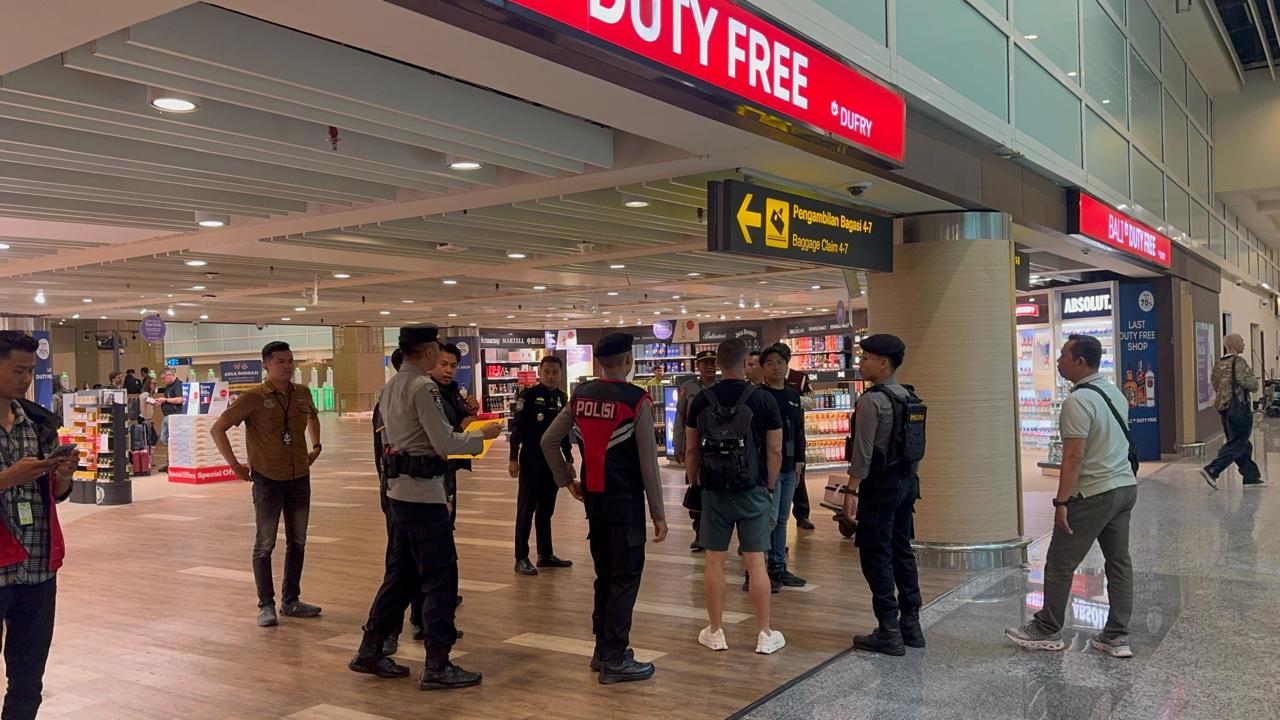
The Embassy of the Republic of Korea in Indonesia has issued a warning to its citizens to heighten vigilance when visiting Bali. The official advisory, released on 1 April 2026, highlights several recent security incidents in the popular tourist destination.
The warning has not only circulated through diplomatic channels but has also received extensive coverage in South Korean media outlets such as The Chosun Daily and Nate News. This spotlight is seen as amplifying the Bali security issues to a global level.
Bali tourism practitioner Giostanov Latto stated that the warning from the South Korean Embassy differs from typical advisories because it includes details of violent cases.
“Instead of using general language like ‘remain vigilant’, the embassy details several violent incidents involving foreign nationals in Bali within less than two months,” said Giostanov on Sunday (5/4).
He mentioned that the highlighted cases include kidnappings leading to murder, fatal stabbings, and sexual violence in tourist areas such as Jimbaran, Seminyak, and Canggu.
UNUSUAL PRACTICE
According to him, this approach is unusual in diplomatic practice, which is typically more cautious to avoid sparking panic or damaging the image of tourist destinations. “We suggest that the government and stakeholders immediately intervene. It is not impossible that this image will spread to other countries,” he said.
Amid these issues, Bali’s tourism performance remains robust. Throughout 2025, more than 7 million foreign tourists visited the Island of the Gods, with South Korea being one of the main markets.
However, police data shows an increase in crimes involving foreign nationals by around 47 percent compared to the previous year. Several cases are even linked to cross-border criminal networks.
Security forces have responded by launching Operation Sikat Agung 2026, targeting criminal acts in tourist areas. Nevertheless, questions arise regarding the readiness of the security system to keep pace with the rapid growth of the tourism sector.
BALI’S SECURITY PERCEPTION
Giostanov assessed that the main problem is not just the increase in cases, but also the changing perception of tourists towards Bali’s security. “Bali did not suddenly become unsafe. But the perception of security is very fragile. When a country like South Korea issues a detailed warning, it changes the way people view Bali,” he said.
He added that the impact of the warning could extend to various aspects, from travel forums to family decisions in planning holidays.
Meanwhile, Bali Governor Wayan Koster affirmed that the security situation in his region remains under control. “Bali is safe,” he said briefly to reporters some time ago.
On the other hand, the Head of the Bali Tourism Office, Sumarajaya, admitted to not yet knowing about the warning. “Sorry, I am still in an activity,” he said via text message.
The government is expected to promptly take coordinated steps to maintain tourist confidence amid growing global attention to security issues in Bali.