
South Korea Seeks to Profit from Global Turmoil with Arms Exports
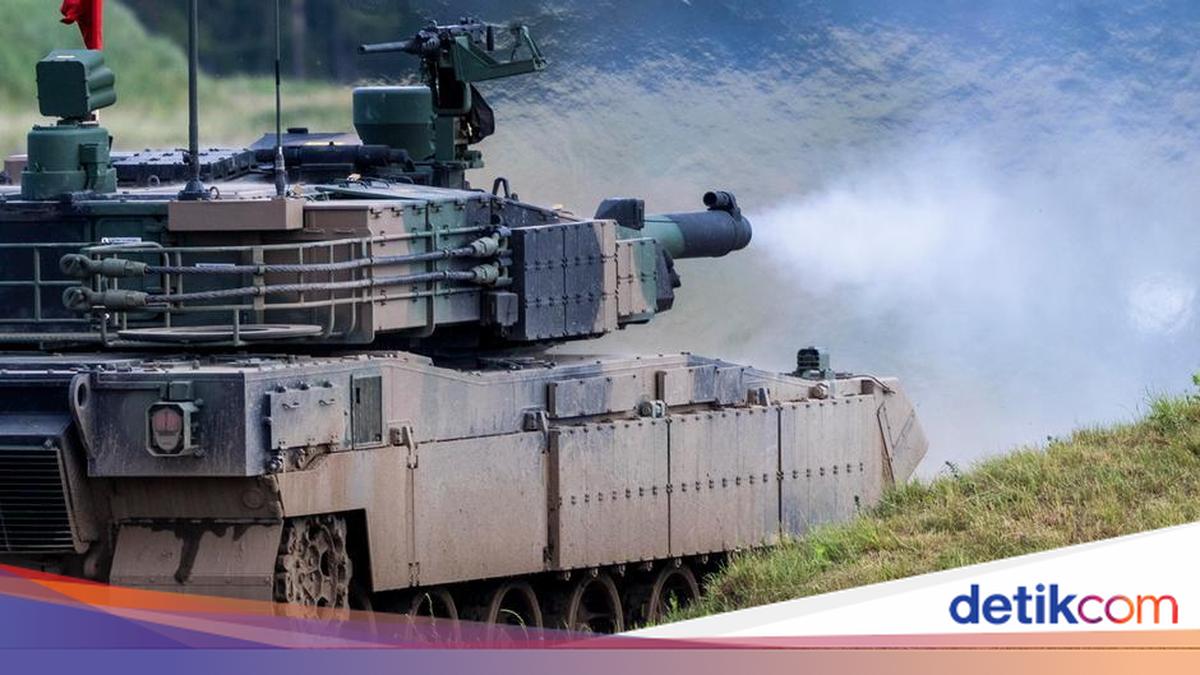
South Korea’s defence industry is quickly moving to capture a larger share of the global arms market, driven by increased military spending worldwide. The country has long maintained a strong defence sector to counter threats from North Korea, but successive governments have increasingly focused on developing export markets. This strategy has proven particularly successful since Russia’s invasion of Ukraine, as nations seek to rapidly replenish their arsenals. According to economist Park Saing-in from Seoul National University, South Korea’s unique geopolitical situation has fostered a robust defence sector, and the government has invested heavily in research and development to help companies catch up with and surpass foreign competitors. While high-end equipment is still purchased from allies like the United States, South Korean manufacturers excel in producing high-quality, mid-range systems at competitive prices and with rapid delivery times. For example, the Cheongung-II medium-range surface-to-air missile system has attracted buyers like the UAE, and its performance in the Middle East has drawn further interest. In 2025, South Korea’s arms exports reached 15.4 billion US dollars, with Poland becoming the largest single customer, purchasing K9 Thunder self-propelled howitzers, K2 Black Panther main battle tanks, and K239 Chunmoo multiple rocket launchers. European nations, along with Australia and countries in the Middle East and South America, are also key markets. Retired General Chun In-bum noted that South Korean firms are applying the same successful strategy used in the consumer electronics sector to military equipment, becoming adept at adopting foreign technology and manufacturing it more efficiently. This export drive is seen as crucial for the national economy, which has lost ground in other manufacturing sectors to competitors like China.