
South Korea Seeks Nickel Battery Incentives and Investment Regulatory Certainty in Indonesia
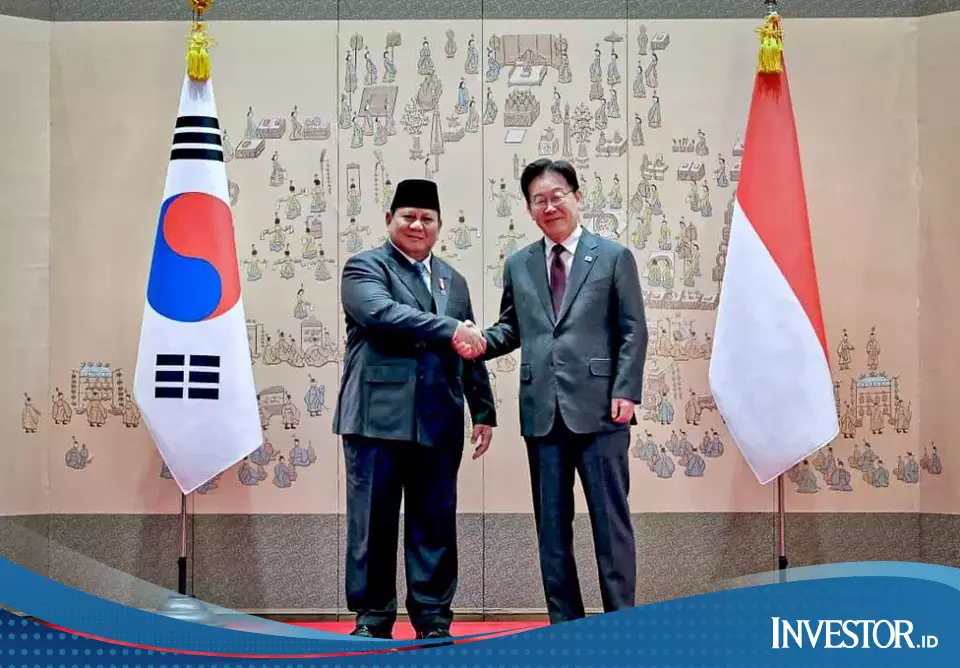
South Korea has presented a list of requests aimed at creating a more conducive business environment in Indonesia. The government in Seoul specifically highlighted the need for incentives for the development of nickel-based electric vehicle (EV) batteries as well as investment regulatory certainty.
Uhm Taeho, counsellor and head of the political section at the South Korean Embassy in Indonesia, said on Wednesday (26/8/2026) that South Korea and Indonesia continue to hold dialogue on incentives and regulatory easing for the nickel battery industry. According to Uhm, nickel-based batteries are more environmentally friendly and easier to recycle. However, their production costs are relatively higher, so an incentive scheme is urgently needed to reduce those costs. He cited automotive giant Hyundai, which uses nickel batteries in its EV line-up, as being in line with Indonesia’s status as the world’s largest nickel producer.
South Korea’s investment commitment is also evident from EcoPro’s move. The Cheongju-based battery materials producer plans to invest 1.5 trillion won (around US$1 billion or Rp17.7 trillion) in the BNSI nickel smelter project in Sulawesi, which is being developed together with Vale and Chinese company GEM.
Beyond incentives, South Korea is also monitoring the single-door export policy implemented under the leadership of President Prabowo Subianto. The policy centralises exports of strategic commodities through Danantara Sumberdaya Indonesia (DSI), which affects ferroalloy commodities for the South Korean steel industry. “We respect the Indonesian government’s policy. However, policy consistency and certainty are very important for Korean companies to increase their investment,” Uhm Taeho said as quoted on Thursday (27/8/2026).
Responding to these demands, Indonesian Finance Minister Purbaya Yudhi Sadewa indicated that the government will provide special treatment for nickel-battery electric vehicles compared with lithium-battery ones, which could include government-borne Value Added Tax (PPN DTP).
Based on data from the US Geological Survey, Indonesia holds the world’s largest nickel reserves with an estimated 62 million metric tonnes (MT) and annual production reaching 2 million MT. In the first half of 2026, South Korean foreign direct investment (FDI) in Indonesia recorded around US$880 million (approximately Rp15.6 trillion), placing it in seventh position. Meanwhile, total trade between the two countries in the January–June 2026 period grew 6% year-on-year to US$9.5 billion.
South Korea’s demand for incentives and regulatory certainty is rooted in global competition in the EV supply chain. Indonesia’s nickel downstreaming policy, which began with the ban on raw nickel ore exports in 2020, has succeeded in attracting large-scale foreign capital inflows. However, the dynamics of the global automotive industry are now marked by intense competition between nickel-manganese-cobalt (NMC) batteries and cheaper Chinese Lithium Iron Phosphate (LFP) batteries.
For South Korean investors that have poured substantial capital into Indonesia, such as Hyundai and LG, the sustainability of the nickel-based battery industry requires full fiscal support from the host government to remain competitive. On the other hand, the establishment of new institutions such as Danantara and plans to revise export regulations create a need for legal certainty. This is important for long-term investors to guarantee the security of capital flows and their industrial raw material supply chains.
Source: jawawa.id (https://jawawa.id/newsitem/south-korea-seeks-nickel-battery-incentives-and-investment-regulatory-certainty-in-indonesia-1787849416)
Originally published by investor.id (https://investor.id/international/451879/korsel-minta-insentif-baterai-nikel-dan-kepastian-regulasi-investasi-di-indonesia), translated from Indonesian