
South Korea Issues National Malaria Alert After Parasite Found in Mosquitoes
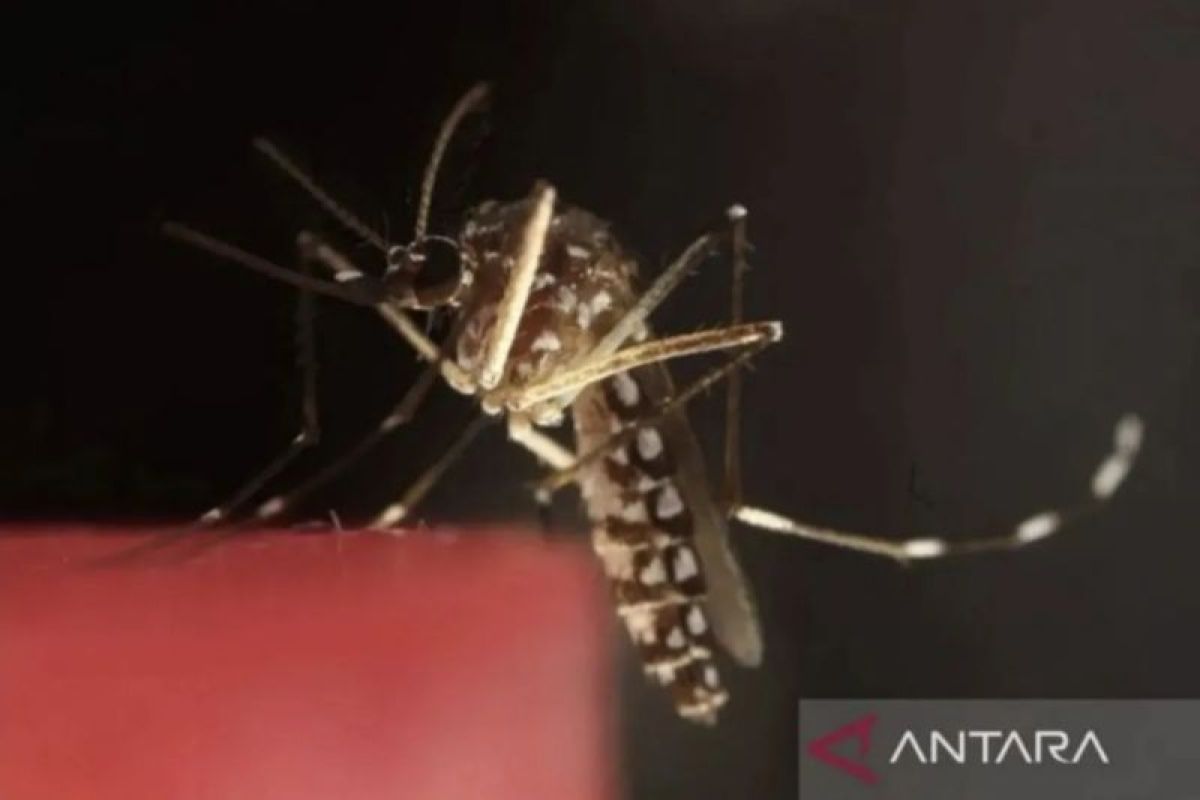
South Korean health authorities on Thursday issued a nationwide malaria alert after detecting the parasite that causes the disease in mosquitoes.
The Korea Disease Control and Prevention Agency (KDCA) said genetic material from the Plasmodium vivax malaria parasite was detected in Anopheles mosquitoes collected in Paju and Yeoncheon, northern South Korea, between 27 July and 2 August.
“The detection of the parasite in vector mosquitoes means the likelihood of contracting malaria through the bite of an infected mosquito has increased,” the agency said in a statement.
The nationwide alert follows a malaria advisory issued on 22 June due to an increase in the number of vector mosquitoes. Warnings had previously been issued in five regions because of case clusters and a surge in mosquito populations.
Despite the nationwide alert, South Korea recorded 201 domestically acquired malaria cases between 1 January and 1 August, a 43.4 percent decline compared with 355 cases during the same period last year.
Historically, malaria cases in South Korea have been concentrated in areas near the Demilitarised Zone (DMZ) separating the country from North Korea, although the at-risk area has expanded in recent years.
The nationwide alert comes amid an exceptionally hot summer in South Korea. However, the KDCA said the density of malaria vector mosquitoes remains lower than last year, partly due to the extreme heat.
Health officials warned that mosquito populations could rebound once the extreme heat subsides, and urged authorities in malaria-risk areas to strengthen mosquito control measures.
They also advised residents and visitors in malaria-risk areas to avoid outdoor activities at night, wear long-sleeved clothing and long trousers, and use insect repellent, protective screens and mosquito nets.
People experiencing symptoms suspected of being malaria, including fever and chills, are advised to undergo testing at public health centres or medical facilities.