
South Korea Implements Odd-Even Vehicle System Amid Fuel Crisis
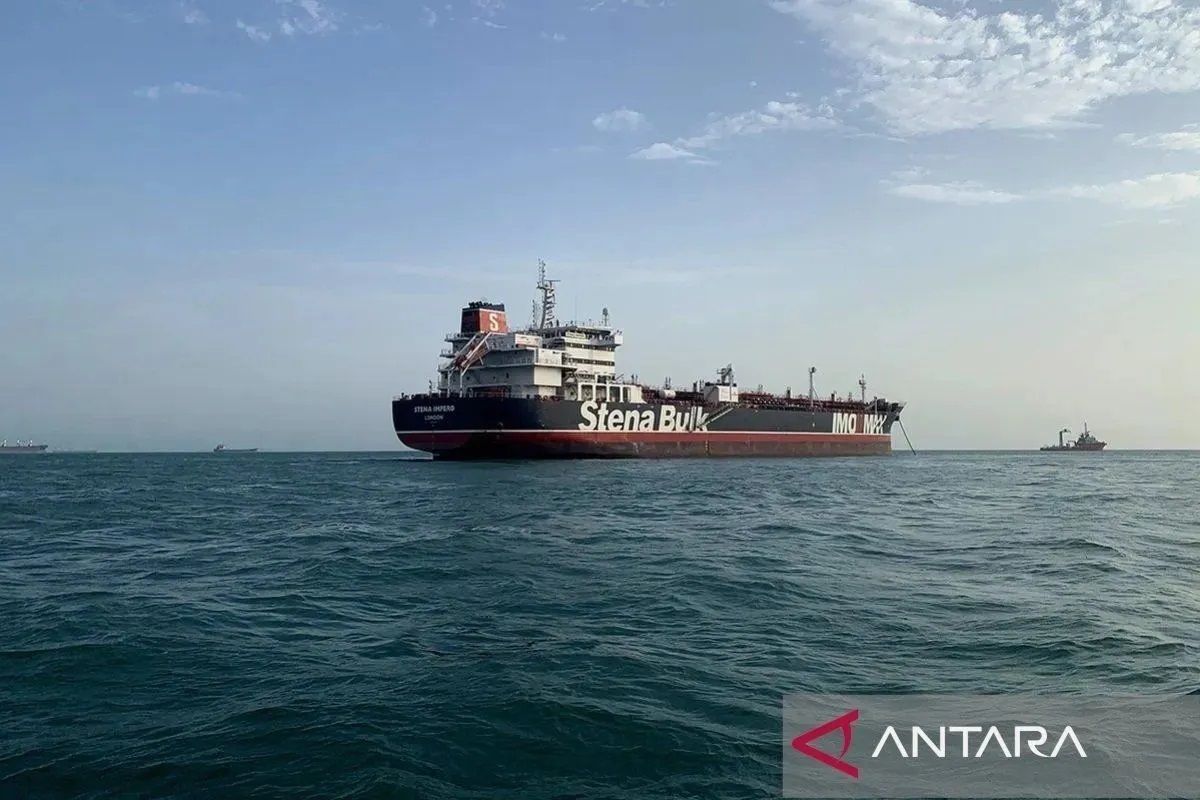
Moscow (ANTARA) - South Korean authorities will restrict the use of government vehicles based on odd-even licence plate numbers amid a fuel crisis caused by conflicts in the Middle East. Yonhap news agency reported on Wednesday (1/4), citing the Ministry of Climate, Energy, and Environment, that the odd-even restriction on government vehicles will take effect on 8 April, six days after the oil supply disruption alert level is raised, to give the public time to prepare for the new rules. Under the new policy, vehicles with an odd last digit may only be used on odd dates, and those with an even last digit on even dates. Electric and hydrogen vehicles, as well as those carrying disabled persons and pregnant women, which account for about 25 per cent of all vehicles, are exempt from this rule. Private sector participation in the five-day restriction system is voluntary, although access to paid parking managed by local governments and public agencies is limited. For example, vehicles with licence plates ending in 1 or 6 are not allowed to park in public parking areas on Mondays. According to ministry estimates, tightening the government vehicle usage system will reduce additional oil consumption by 37.5 per cent, or about 17,000 to 87,000 barrels per month. On 24 March, the South Korean government had tightened restrictions on official vehicle use by dividing all government vehicles into five groups based on the last digit of the licence plate, with each group prohibited from travelling on certain weekdays. On Wednesday, the government decided to raise the resource security crisis alert level for crude oil from Level 2 to Level 3 out of four levels, effective from 00.00 local time on 2 April. On 28 February, the United States and Israel launched attacks on several targets in Iran, including in Tehran, causing damage and civilian casualties. Iran then retaliated by attacking Israeli territory and US military facilities in the Middle East. The escalation of the Iran-related conflict has caused a de facto blockade in the Strait of Hormuz, a vital route for shipping oil and liquefied natural gas from Persian Gulf countries to global markets. This has also affected oil export and production levels in the region, driving up prices. About 70 per cent of South Korea’s oil imports pass through that strait.