
South Kalimantan Partners with BRIN to Study Meratus Archaeological Site, Plans Testing in Australia
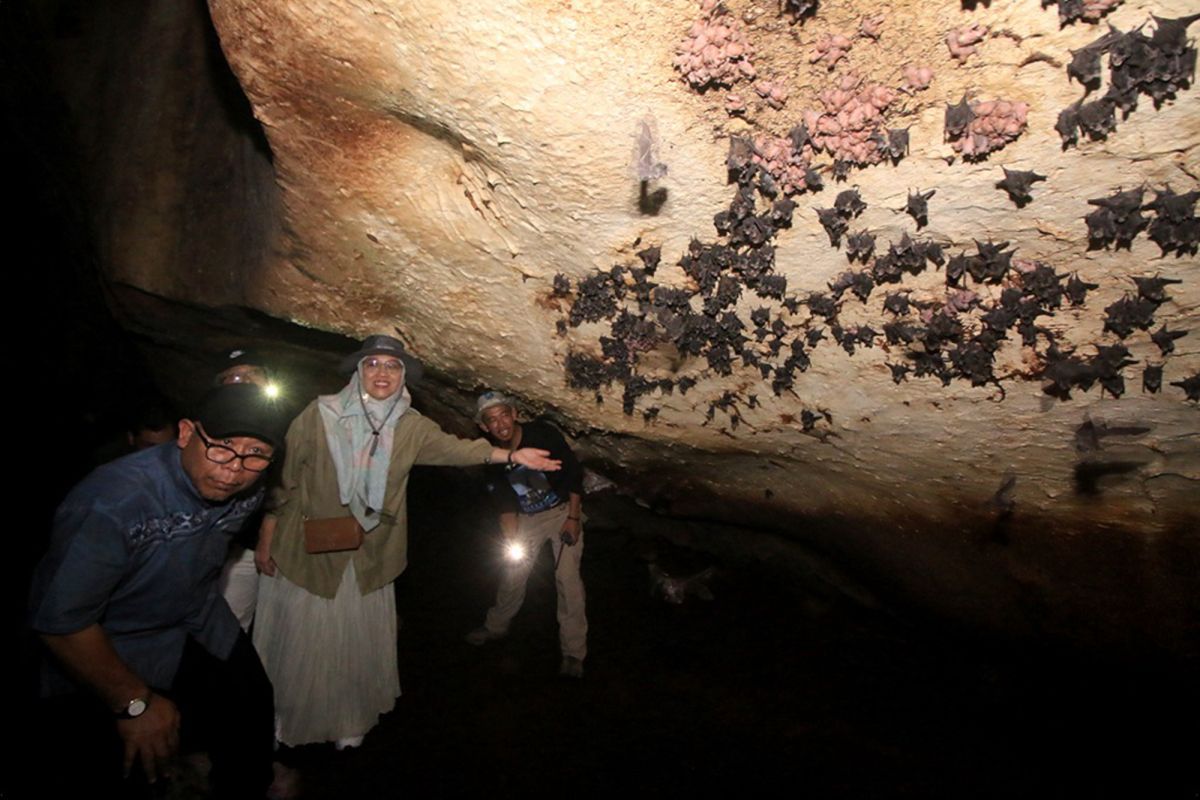
The Regional Research and Innovation Agency (Brida) of South Kalimantan Province is collaborating with the National Research and Innovation Agency (BRIN) to study archaeological sites in the Meratus region, particularly the chronology of prehistoric rock art in Liang Bangkai Cave, with plans for laboratory testing in Australia.
Brida Kalsel Head Thaufik Hidayat stated in Banjarbaru on Wednesday that the study focuses on the inventory, identification, and documentation of artefacts and remnants of past life to strengthen the scientific database regarding the history of the Meratus Geopark area.
In addition to Liang Bangkai Cave, Brida Kalsel is also examining the archaeological site of Pulau Sirang in Banjar Regency to enrich information on traces of ancient human habitation and to complete the inventory of archaeological heritage in South Kalimantan.
“The research results are expected to produce more comprehensive data on the history of human habitation and cultural development in the Meratus area, serving as a reference for further research and the preservation of archaeological heritage,” he said.
In the cultural field, Brida Kalsel is preparing an inventory, identification, and documentation study of the diversity of Sasirangan motifs in the Sasirangan Traditional Village of Banjarmasin City to strengthen the regional cultural heritage database.
Furthermore, Brida Kalsel is planning research on the potential of plants that produce natural dyes for Sasirangan in Balangan Village, Banjar Regency, as a scientific basis for the utilisation of local biological resources while supporting the sustainable preservation of Sasirangan cloth.
“These various studies represent Brida’s commitment to strengthening archaeological, cultural, and biodiversity research in South Kalimantan to provide a scientific foundation for policy formulation, regional heritage preservation, and scientific development,” said Thaufik.