
South Kalimantan Governor Summons PLN Over Rolling Blackouts
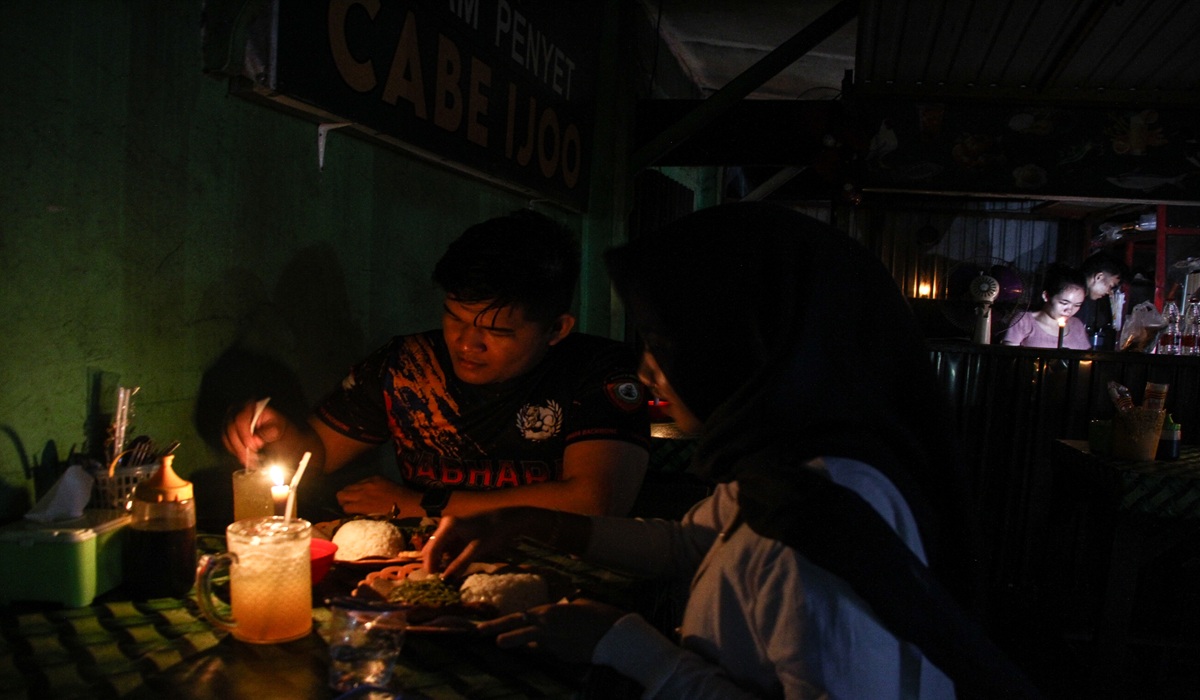
The Governor of South Kalimantan, Muhidin, has summoned and met with the management of the State Electricity Company (PLN) for the South and Central Kalimantan regions to clarify the rolling blackouts occurring in the area recently.
“We have summoned and received a direct explanation from the General Manager of PLN for the South and Central Kalimantan region, Mr Iwan, yesterday regarding the condition of these rolling black and outages,” said Muhidin.
According to the explanation from PLN, the rolling blackouts are being forced due to repairs on generating engines at the Bangkanai Combined Cycle Power Plant (PLTGU) in North Barito, Central Kalimantan. The Bangkanai plant is one of the primary electricity suppliers for the power systems in South, Central, and East Kalimantan.
“In essence, the condition of the power plants (PLTU) in South Kalimantan is fine. However, because the systems are interconnected, it disrupts the overall electricity supply, necessitating rolling blackouts,” Muhidin explained.
PLN also reported a decrease in the water levels of the Riam Kanan reservoir in Banjar Regency due to the drought, which could disrupt the operations of the Ir PM Noor Hydroelectric Power Plant, which has a capacity of 30 megawatts.
“We hope that in the coming days, the electricity supply will return to normal, and we ask the public to be patient,” said Muhidin.
The electricity crisis in several areas is not only impacting MSMEs and community activities but is also increasing the risk of fires in residential areas.
Meanwhile, the Regent of North Hulu Sungai, Sahrujani, during a coordination meeting for the 2026 Forest and Land Fire Preparedness in Banjarbaru on Monday (6/7), revealed that residential fires have been frequent in his region recently. One of the primary causes is electrical short circuits.
“There are no hotspots or forest and land fires yet, but residential fires occur almost every day in our area, even claiming lives. One of the causes is electrical short circuits,” Sahrujani stated.