
South Kalimantan Government Encourages Pesantren to Adapt Without Losing Identity
The Provincial Government of South Kalimantan is encouraging pesantren to develop adaptive educational approaches in facing social change and technological developments without losing their identity, so that they remain able to guide students with strong religious values.
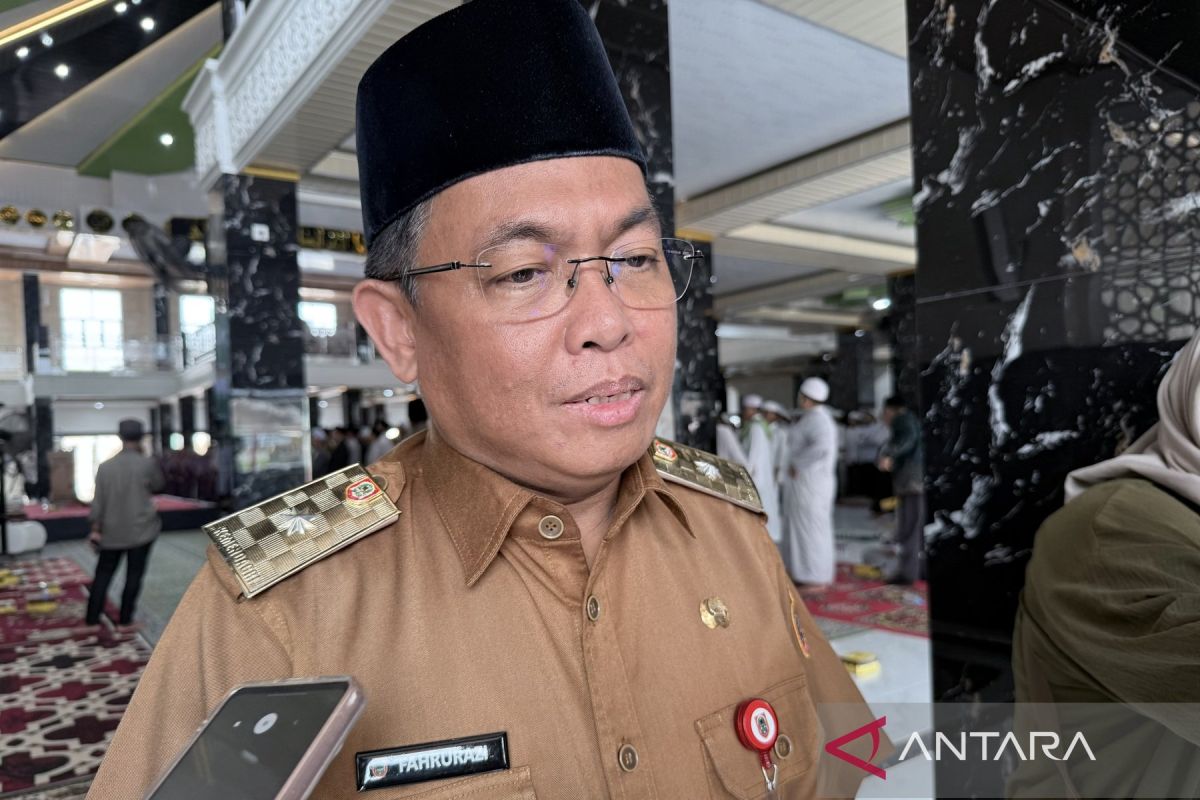
Head of the People’s Welfare Bureau of the Regional Secretariat of South Kalimantan Province, Fahrurazi, said the challenges faced by pesantren are increasingly complex amid rapid social change, including the influence of social media and mental health issues among children and adolescents.
“The educational approach of pesantren needs to continue to be based on compassion, respect, deliberation, and exemplary conduct, so that adaptation does not erase the character of pesantren,” he said while accompanying the Chairman of the Nahdlatul Ulama Executive Board, Yahya Cholil Staquf, during the campaign for the National Movement for Safe Pesantren at Darul Ilmi Islamic Boarding School in Banjarbaru on Tuesday.
He emphasised that pesantren have an increasingly significant role in human resource development because they are not only places for religious learning, but also educational environments for shaping knowledge, morals, independence, and character among the younger generation in South Kalimantan.
“There are around 333 Islamic boarding schools in South Kalimantan with 5,784 religious teachers and 81,289 students. This large number demonstrates the strategic position of pesantren in community life and human resource development in Banua,” he said.
Therefore, he said, the development of pesantren needs to proceed in tandem with strengthening a safe, comfortable, healthy, and child-friendly educational environment, so that students can face changing times while maintaining a strong foundation of values and character.
Fahrurazi affirmed that the South Kalimantan Provincial Government is ready to strengthen synergy with the Ministry of Religious Affairs, pesantren, religious scholars, law enforcement agencies, community organisations, and other stakeholders to support pesantren in facing various educational challenges and societal developments.
He said this synergy is directed towards ensuring that pesantren not only excel in religious knowledge, but also become stronger in literacy, technology, skills, health, and child protection as part of the evolving educational needs of the younger generation.
“Strengthening these various aspects is expected to keep pesantren relevant to the times while maintaining the values that form their identity, so that pesantren continue to play a role in shaping a generation that is virtuous, independent, and beneficial to society,” Fahrurazi said.