
South Kalimantan Forestry Service Deploys Assessment Team for Watershed Rehabilitation in Tanah Laut FMU Area
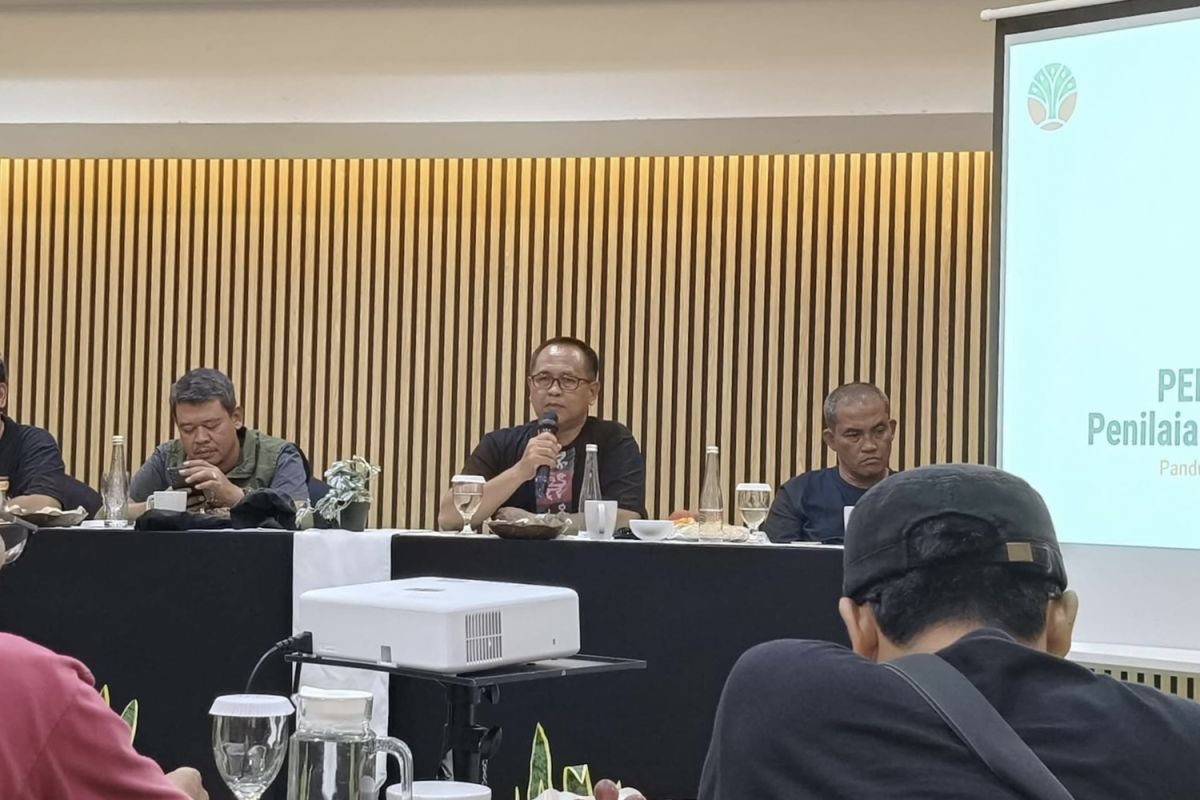
Banjarbaru (ANTARA) - The South Kalimantan Forestry Service (Dishut) has deployed and briefed a team to assess watershed rehabilitation (DAS) in the Tanah Laut Forest Management Unit (KPH) area to ensure the evaluation process complies with environmental restoration regulations.
Head of the Watershed Management and Forest and Land Rehabilitation Division (PDASRHL) at the South Kalimantan Forestry Service, Alip Winarto, stated in Banjarbaru on Friday that the briefing was conducted jointly with the Barito Watershed Management Agency (BPDAS), the Sultan Adam Grand Forest Park (Tahura), and the Tanah Laut KPH in preparation for the rehabilitation assessment.
He explained that the activity aims to align the perceptions and understanding of all parties regarding the technical methods and procedures for plant data collection, ensuring the assessment is carried out objectively according to applicable standards.
According to him, uniformity in data collection methods is a crucial factor in producing accurate information that reflects the actual condition of plants resulting from watershed rehabilitation in the field.
“The assessment results will serve as evaluation material to measure the success rate of plant growth while ensuring that rehabilitation activities support improvements in land cover quality and watershed functions,” he said.
Alip expressed appreciation to the PPKH permit holder, PT Borneo Indobara, for fulfilling its watershed rehabilitation obligations as a contribution to ecosystem recovery and environmental conservation efforts in South Kalimantan.
“The implementation of watershed rehabilitation by PPKH holders greatly assists environmental conservation efforts and supports the improvement of forest and land cover quality, which is continuously promoted by the regional government,” Alip stated.
The South Kalimantan Forestry Service hopes the watershed rehabilitation assessment can confirm the success of plant growth and the effectiveness of land recovery, thereby supporting the sustainability of the watershed’s ecological functions.