
South Kalimantan Forestry Agency strengthens timber centres and mangrove rehabilitation
Banjarbaru (ANTARA) — The South Kalimantan Provincial Forestry Agency (Dishut Kalsel) is strengthening timber centres and planning mangrove rehabilitation to preserve forests and coastal ecosystems whilst increasing the added value of the region’s leading forestry products.
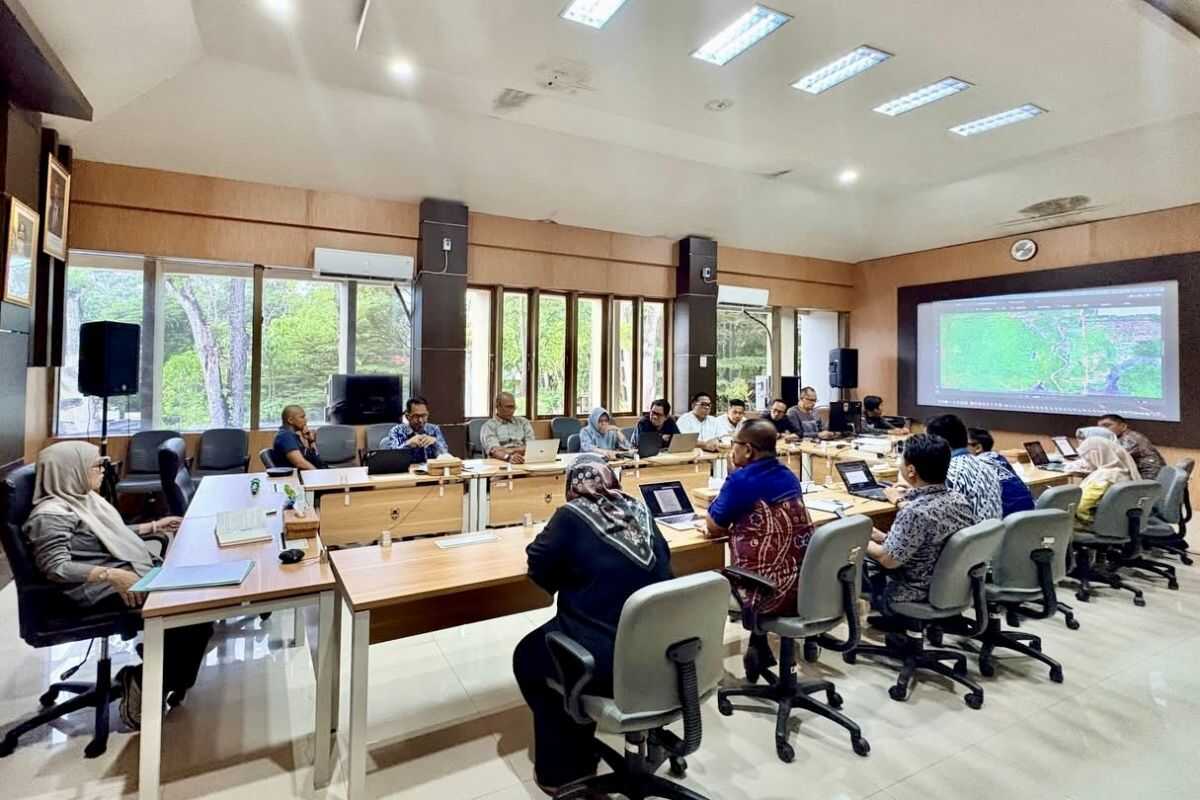
Dishut Kalsel head Fathimatuzzahra said in Banjarbaru on Saturday that the strengthening of the forestry sector was being carried out through a work programme evaluation and alignment of field activities.
She emphasised transparency and sound business calculations. Timber centres must be managed with careful planning, solid coordination and continuous oversight to deliver economic benefits whilst preserving forests.
Dishut Kalsel also discussed mangrove rehabilitation plans through the FOLU Net Sink 2030 forestry sector programme.
“This programme is expected to strengthen planned coastal ecosystem recovery and reduce the risk of ecological damage,” Fathimatuzzahra said.
Additionally, the management of the Non-Timber Forest Products (NTFP) gallery has become an important agenda item for optimising the promotion and marketing of leading forestry products, thereby increasing the added value and competitiveness of local products in both regional and national markets.
“We are committed to evaluating programme implementation whilst emphasising the importance of consistency and professionalism in every forestry activity. Synchronisation between technical planning and field implementation is a priority so that targets are achieved,” Fathimatuzzahra said.
Through these measures, Dishut Kalsel hopes that timber centres and mangrove rehabilitation will operate effectively, delivering economic benefits to communities whilst ensuring the preservation of forests and coastal ecosystems for future generations.