
South Jakarta Storytelling Village Festival Enlivens Taman Bendera Pusaka
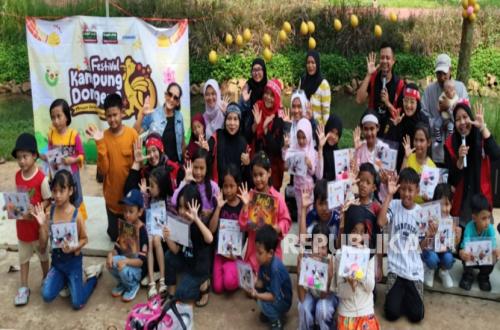
A vibrant atmosphere of laughter and joy filled Taman Bendera Pusaka in Blok M, South Jakarta, on Sunday (17 May 2026). Hundreds of children and parents enthusiastically participated in the Storytelling Village Festival held to commemorate the 17th anniversary of Kampung Dongeng Indonesia. The event served as an educational and recreational space fostering family togetherness through storytelling, creative performances, and children’s literacy. The festival began at 8:00 AM WIB, with various activities attracting residents who had gathered at the city park since 6:00 AM. It commenced with the national anthem and Sirih Kuning dance, followed by morning exercises to energise attendees. Activities included family challenges, reading sessions with parents, children’s storytelling, and educational tales. Several performers added to the festival’s vibrancy, with Kak Siti Setia captivating the audience through ventriloquism before storytelling. The event became more lively and interactive thanks to the skilled hosting of Kak Dicky, Kak Rida, and Kak Mini, while the teamwork of Kak Mellani, Kak Jeje, Kak Dewinta, and other volunteers created a warm atmosphere. Festival Chairperson Kak Siti Setia expressed joy at the high public turnout. ‘This festival is more than just entertainment; it reflects Kampung Dongeng’s 17-year commitment to bringing families closer through stories and shared activities,’ she told Republika. ‘Seeing children and parents laugh, create, and listen to stories together is our greatest happiness.’ She added that storytelling culture plays a vital role in building emotional bonds between parents and children while fostering creativity and literacy from an early age.
Source: jawawa.id (https://jawawa.id/newsitem/south-jakarta-storytelling-village-festival-enlivens-taman-bendera-pusaka-1779906110)
Originally published by Republika (https://news.republika.co.id/berita/tfng5b377/festival-kampung-dongeng-jaksel-semarakkan-taman-bendera-pusaka), translated from Indonesian