
South Jakarta cervical cancer survivor serves as a palliative care volunteer for 11 years
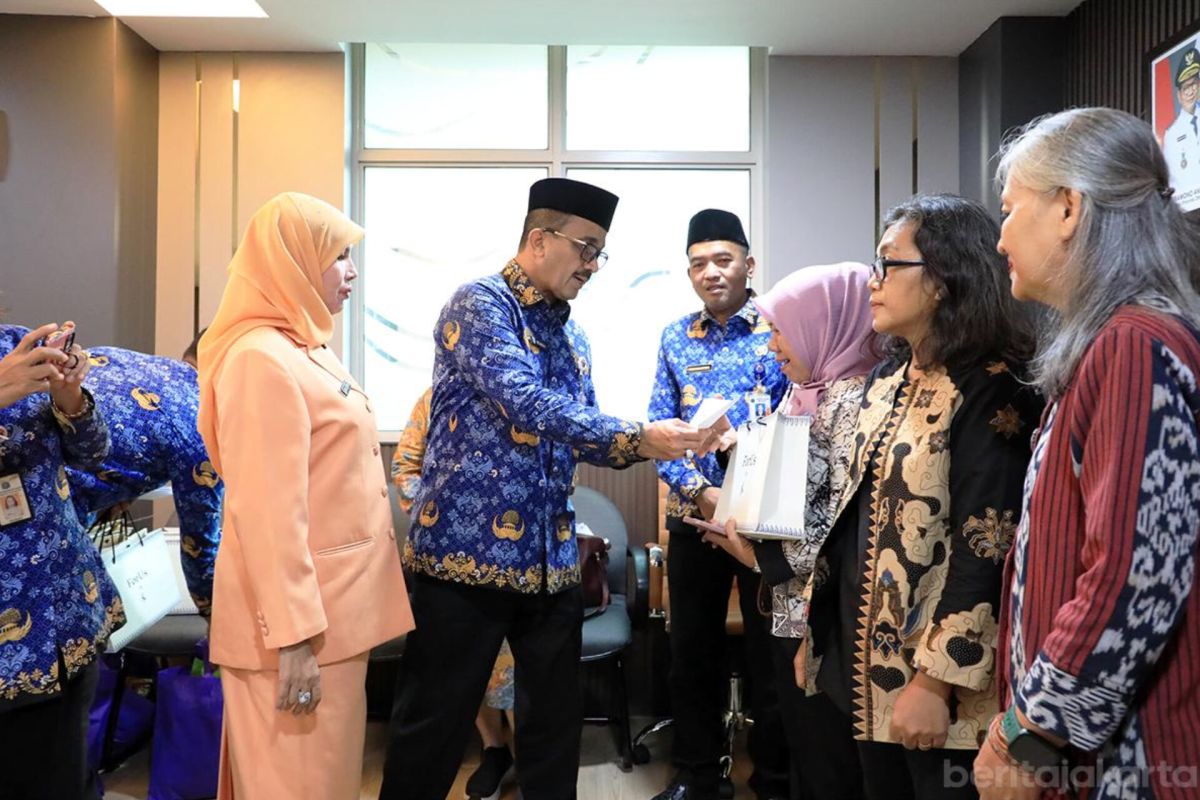
A cervical cancer survivor in South Jakarta has spent 11 years as a palliative care cadre in the Mampang Prapatan district as a form of public health service. ‘In the past, with my still-naive understanding, cancer patients were surely going to die. However, after I undertook palliative care training and gained a lot of knowledge there, I promised to continue serving while I have the strength,’ said Mariam, a palliative care cadre in Mampang Prapatan, Jakarta, on Wednesday. Mariam said that her initial motivation to become a palliative care cadre came when she was diagnosed with cervical cancer. At that time she felt deeply despondent for two months and stayed at home. She says that during 11 years as a palliative care cadre she has faced many challenges. One of them is ambulance constraints, because availability at the provincial level is limited, while the number of cases to be handled is very high. In addition, there are times when hospitals refuse patients because there is no appointment for follow-up, so patients must be sent home again. BPJS administrative issues also pose a challenge, especially for residents who live here but hold ID cards from outside the area. ‘God willing, I will be much more energetic. This recognition will certainly further boost my motivation,’ she said. Meanwhile, the South Jakarta City Government will award palliative care cadres in 2026. The award will be presented directly by the Mayor of South Jakarta, Muhammad Anwar. Anwar said that the presence of palliative care cadres not only helps health service delivery, but also brings a spirit of humanity, empathy and compassion to the community. The support provided by the cadres is a tangible example that health service is not only about treatment, but also about attention, moral support and quality of life for patients and their families. ‘Palliative care cadres who work socially and selflessly to help our residents suffering from stage four cancer. They carry out their duties with heart and sincerity without accepting any incentives,’ he said. Anwar explained that to motivate the cadres, the city would provide recognition in the form of cash assistance, staple foods and batik clothing, and would issue a Decree (SK) for them to carry out their duties. ‘We will also provide a monthly allowance of Rp200,000 to cover their phone credit costs,’ he said. Thus, he hopes the spirit of mutual cooperation and social concern that has been built can be further strengthened. The synergy between government, health facilities, cadres and the community is the key to realising humane, inclusive health care that reaches all segments of society. ‘To all palliative care cadres in South Jakarta, continue to be at the forefront in bringing hope and calm to the community. Your service is a noble deed that brings great benefits to others,’ he said.