
South Jakarta Administration Studies RPTRA as Locations for ‘Teba Modern’ Development
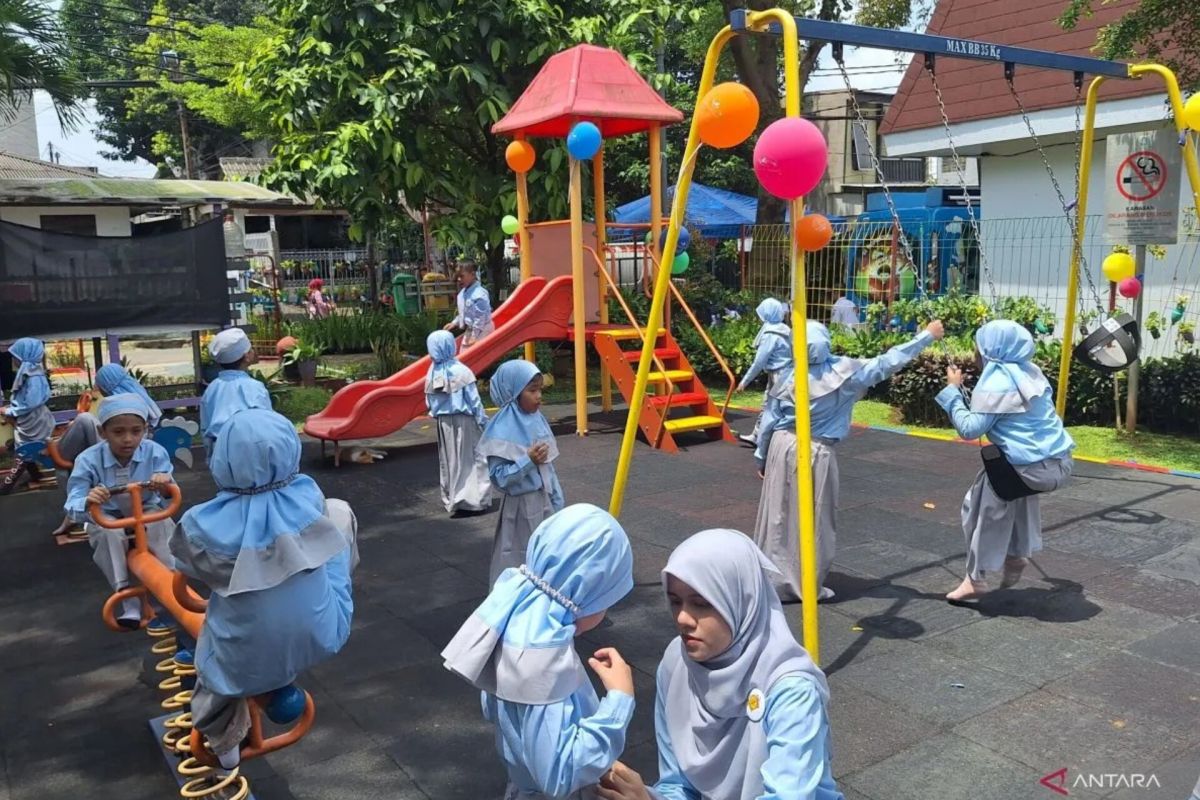
The South Jakarta City Administration (Pemkot Jaksel) is studying the use of several Child-Friendly Integrated Public Spaces (RPTRA) as locations for developing ‘teba modern’ facilities to support a waste sorting programme. “We will certainly identify which RPTRAs are feasible for the placement of these teba modern,” said South Jakarta Mayor Syafrin Liputo at the South Jakarta Mayor’s Office on Wednesday. He stated that the study is being conducted to ensure that the placement of the teba modern does not disrupt the primary function of the RPTRA as a space for community activities. According to him, RPTRAs serve various social and community functions, so coordination with relevant agencies is necessary before placing waste processing facilities. Syafrin explained that the teba modern is one of the facilities being promoted by the government to process organic waste sorted from households. Through this facility, organic waste can be processed into compost, which can then be reused by the community. Besides RPTRAs, the South Jakarta City Administration is also considering several parks as locations for developing teba modern. “Of course, the function of the park must not be disturbed, but there are other benefits to placing these teba for biopori in several locations as long as their function is not compromised,” said Syafrin. However, he acknowledged that one obstacle the government faces in developing this programme is the limited land available for placing the teba modern or jumbo biopori absorption holes. “We continue to identify possible locations to support the implementation of the waste sorting programme at the source,” he said. Consequently, it is hoped that South Jakarta will soon have waste processing facilities in the form of jumbo biopori and teba modern, allowing for direct waste reduction within the community. As is known, the South Jakarta Administration is targeting 6,023 neighbourhood units (RT) to implement waste sorting through biopori and teba modern to support the reduction of waste volume sent to the Bantargebang Integrated Waste Treatment Plant (TPST). This aligns with the DKI Jakarta Provincial Government’s commitment to stop open dumping practices starting 1 August 2026. Therefore, the waste sorting movement from households is considered a crucial step to ease the burden on the Bantargebang TPST, which is increasingly approaching its maximum capacity.