
Sought by the World, Sidelined in Their Own Country
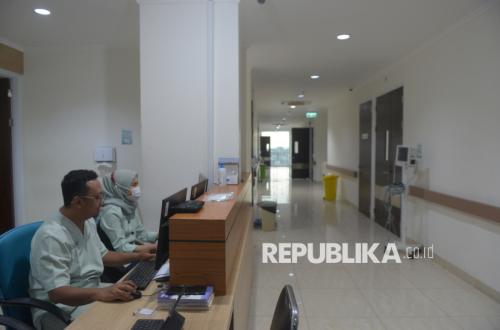
In a remote community health centre, a nurse is often the first, and sometimes the only, health worker a community encounters when illness strikes. They treat children’s fevers, dress wounds, provide health education, visit families, assist in emergencies, and make initial decisions before a patient is referred. In major cities, nurses stand guard in emergency departments, operating theatres, intensive care units, haemodialysis units, cancer wards, and inpatient rooms. While most people are asleep, nurses remain at the patient’s side, monitoring changes in condition, administering medication, preventing complications, comforting families, and ensuring that care continues uninterrupted. Nurses are present from the quietest villages to modern metropolitan hospitals. Yet, despite the immense need for this profession, the recognition they receive is far from commensurate. This is the paradox of the Indonesian nursing profession: needed everywhere, sought after by many countries, but still sidelined in their own nation.
The world’s need for nurses continues to grow. The World Health Organization estimates a global shortfall of around 4.5 million nurses by 2030. The largest gaps are in Africa, Southeast Asia, the Eastern Mediterranean region, and parts of Latin America. The WHO stresses that investment in nurses is necessary to build effective, resilient, and sustainable health systems. Indonesia should be well-placed to seize this opportunity. In June 2025, the Ministry of Health recorded 768,651 registered nurses. Between 2022 and 2024, a total of 1,294 graduates from Health Polytechnics under the Ministry of Health were recorded working in 14 countries, including Japan, Germany, Saudi Arabia, the Netherlands, and Singapore.
However, this figure does not yet include graduates from state and private universities. Nursing education in Indonesia is delivered through academies, colleges, institutes, polytechnics, and universities. In reality, the majority of nursing study programmes and professional nurse education fall under the guidance of the Ministry of Higher Education, Science, and Technology. Based on a review of the 2025 Study Programme Data sourced from PDDikti, Indonesia has at least 299 higher education institutions offering vocational nursing education. The undergraduate nursing and professional nurse programme level encompasses over 340 institutions, alongside 42 master’s programmes in nursing, 4 institutions offering Specialist Nursing programmes, and 4 institutions offering Doctoral programmes in Nursing. This large educational base has not been matched with proportional job formations, career pathways, or professional recognition.