
Sorting Waste for Rice: Bongkasa Pertiwi Village Innovation Reduces Waste by 98 Percent
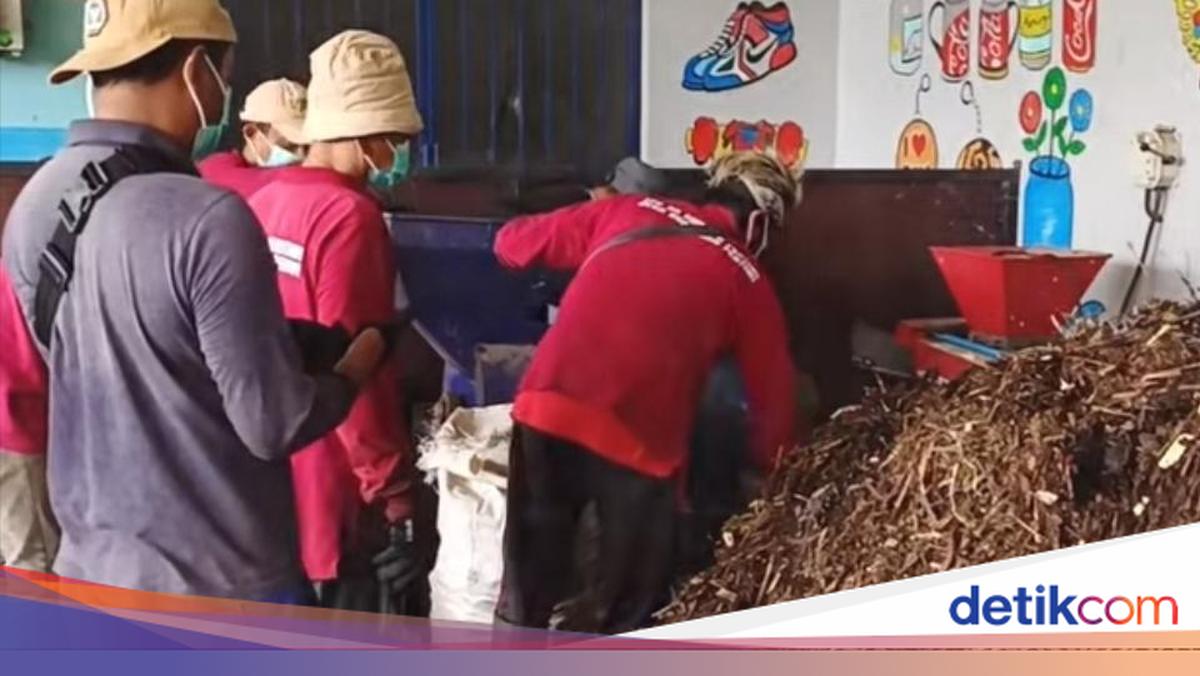
The Bongkasa Pertiwi Village Government, Abiansemal Subdistrict, Badung, Bali, provides appreciation in the form of 5 kilograms (kg) of rice to every resident who diligently sorts waste for three consecutive months. This step serves as education to make the community more enthusiastic and obedient in following waste sorting rules without feeling burdened by sanctions alone.
“As soon as residents do what is instructed, we give appreciation. If we only give directions or sanctions to residents without providing a reward, of course the community will be reluctant,” said the Village Head of Bongkasa Pertiwi, I Nyoman Buda, some time ago.
The programme titled “No Sorting, No Collection” is supported by the Gasway digital application to monitor residents’ compliance in real-time. Field officers scan barcodes at each house and provide a special thumb stamp code as an indicator of residents’ discipline.
“We can see the level of residents’ compliance just through our mobile phones via the Gasway application that we designed, because we have installed barcodes at every house. If residents receive an inverted thumb stamp, their right to receive rice is automatically forfeited,” said Nyoman Buda.
The village’s waste production has decreased significantly thanks to this innovation, from an average of 200 tonnes to just 40 tonnes per month. The most drastic reduction, according to Buda, occurred in organic waste, which is now almost entirely managed independently at the household level.
“From 90 percent, now organic waste has dropped to 0.2 percent because it is handled at each resident’s home. We acknowledge that many residents still have yards and gardens where it is managed. Now we almost no longer send organic waste to the landfill,” he explained.
In addition to incentives, Bongkasa Pertiwi Village also collaborates with customary villages to enforce rules through perarem or customary regulations due to the limitation of not yet being able to impose sanctions. The district government plays a role in preparing facilities such as composters, while the customary side has the authority to impose sanctions on residents who continue to violate.
“We collaborate; the village government prepares the facilities, while the punishment or perarem is enforced by the customary village. If we in the district, we cannot yet impose any sanctions on residents because there is no authority,” added Nyoman Buda.
To date, a total of 120 kg of rice has been distributed to residents who consistently sort waste since the programme was launched in 2025. The village side hopes that the number of aid recipients will continue to increase as an indicator of increasing environmental awareness in the community.
“The more rice we distribute, it means the community is increasingly compliant and waste can be handled at the source. Our hope is good if we distribute more rice, it means residents are aware so that this waste problem is truly resolved,” he concluded.