
Sorong Regency Government Optimises Livestock Contest to Improve Bali Cattle Genetics
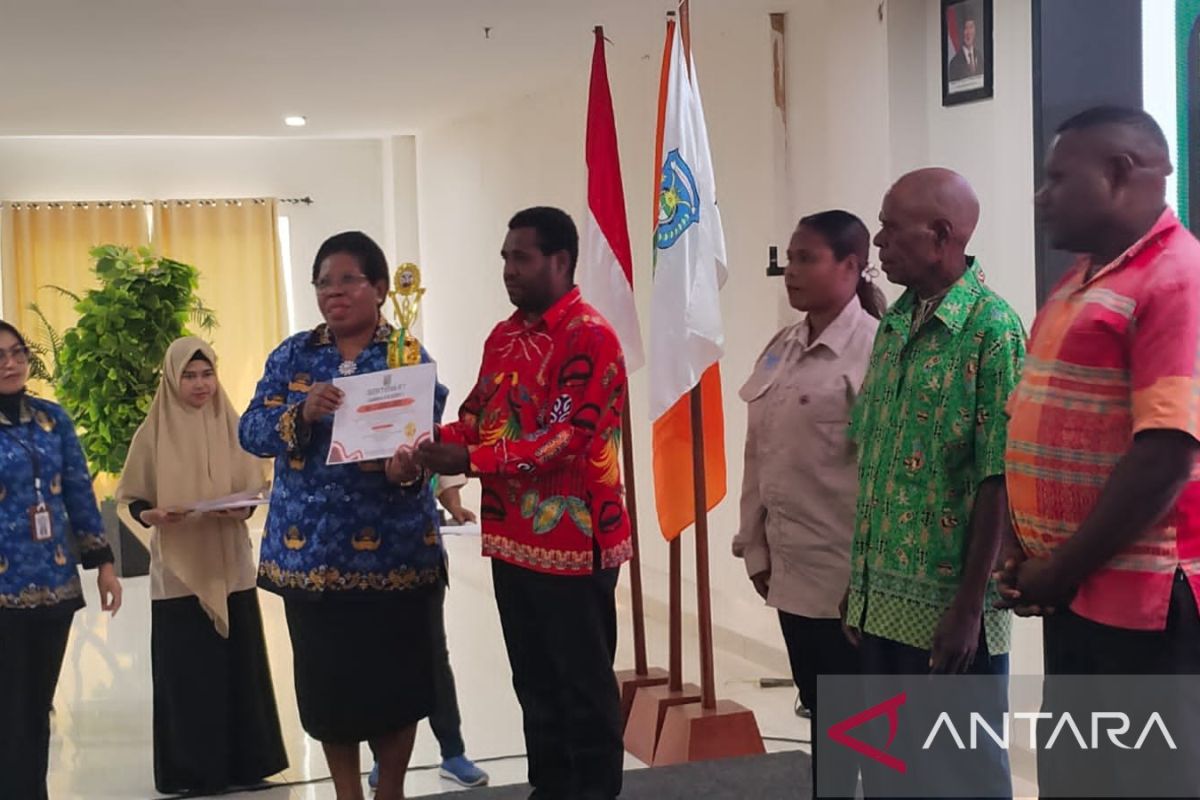
The Sorong Regency Government in Southwest Papua is optimising the implementation of livestock contests as an effort to improve the genetic quality of Bali cattle while encouraging farmers to retain superior breeding stock for the development of the livestock population in the region.
Head of the Sorong Regency Livestock and Animal Health Service, Margariet Beatriks Hendrika Nauw, said in Sorong on Thursday that the livestock contest forms part of a programme to improve livestock genetic resources, funded through Special Autonomy (Otsus).
“Through this activity we want to identify cattle that still possess good genetic quality so they can be retained as superior breeding stock in the cultivation process,” she said.
She explained that Bali cattle were chosen because they are native Indonesian germplasm with the ability to adapt well to tropical climates, including Papua.
According to her, Bali cattle also have high resilience to environmental conditions, making them more suitable for development in Papua compared with several other cattle types that require more intensive husbandry systems.
However, she revealed that, based on field observations, the service had found a tendency for the genetic quality and body weight of Bali cattle to decline from year to year.
This situation, Margariet said, is influenced by the habit of some farmers selling their best-quality livestock, whilst animals with lower genetic quality are retained as brood stock, thereby affecting the quality of subsequent offspring.
“That is why we want to motivate farmers to retain livestock with good genetic quality, both as sires and brood stock, so they can produce superior breeding stock,” she said.
She explained that the 2026 livestock contest is being held across six districts, involving 46 Bali cattle judged in three categories: superior bull, productive female, and the offspring of artificial insemination (IB).
The judging process is carried out by an independent jury team consisting of two lecturers from the Faculty of Animal Husbandry at the University of Papua and one retired employee of the Livestock Service with experience in livestock assessment.
According to Margariet, contest winners receive a trophy, certificate of appreciation, and coaching money as a form of appreciation and motivation for farmers to continue developing their livestock businesses.
She expressed hope that the programme can drive improvements in the quality of Bali cattle breeding stock in Sorong Regency, thereby increasing livestock productivity and providing greater economic value for farmers’ welfare, particularly for Native Papuans (OAP).