
Sorong Fish Seed Centre Contributes to Regional Revenue Through Seed Sales
The Technical Implementation Unit (UPT) of the Fish Seed Centre, owned by the Sorong Regency Fisheries Office in Southwest Papua, not only meets the seed needs of fish farmers but also contributes to increasing the region’s Original Local Revenue (PAD) through the sale of certified superior seeds.
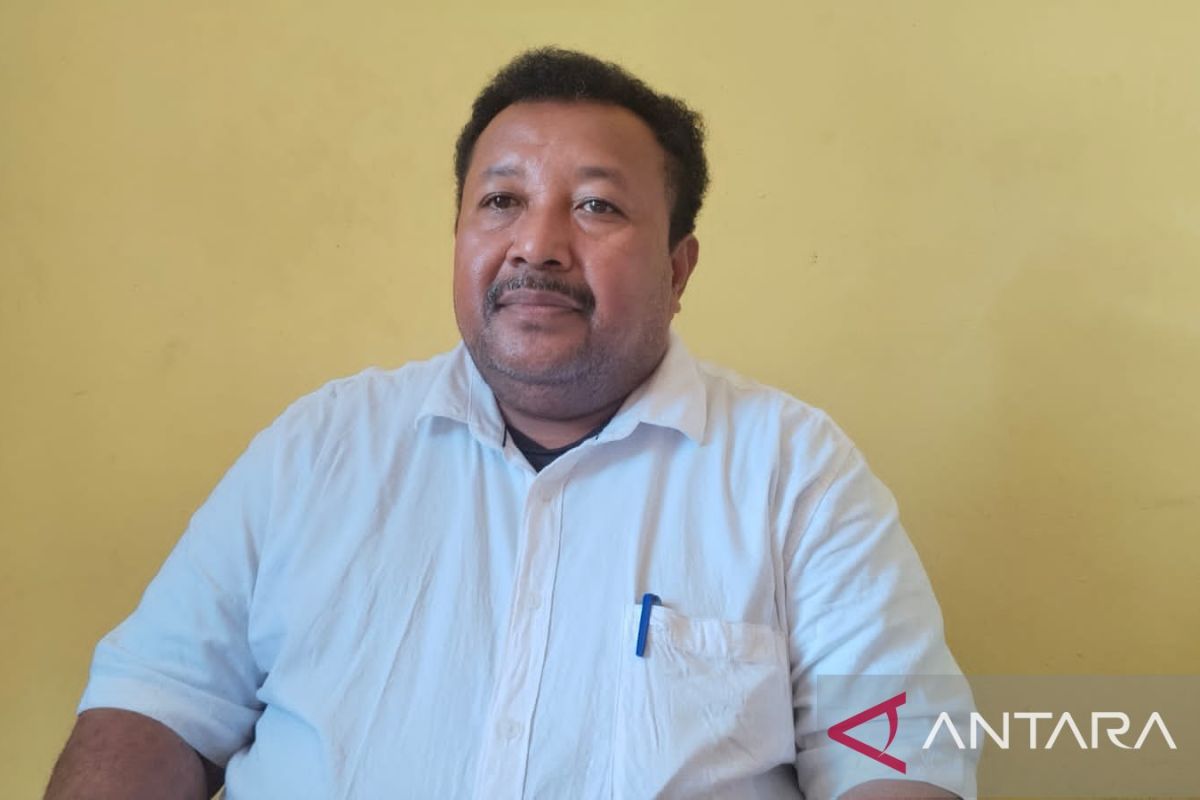
Head of the Sorong Regency Fisheries Office, Marthen Kaiway, stated in Aimas on Saturday that the seed centre produces superior fish seeds to support the development of freshwater fish farming in the area, whilst also serving as a source of regional income.
“In addition to distributing seed assistance to programme recipient groups, we also sell seeds to the public at affordable prices as a form of support for aquaculture business development,” he said.
He explained that fish seeds measuring two to three centimetres are sold for Rp500 per fish. This price, he noted, is lower than seeds from outside the region, which can reach Rp1,000 to Rp1,200 per fish, because the production facility is government-owned and aims to help the public obtain quality seeds at a lower cost.
According to him, the proceeds from seed sales are one source of PAD for Sorong Regency, with an annual revenue target of around Rp56 million. This income is subsequently reused to support the operations of the Fish Seed Centre UPT, such as procuring broodstock feed, maintaining production facilities, and increasing seed production capacity.
“The existence of the Fish Seed Centre UPT has a strategic role in maintaining the availability of superior seeds for freshwater fish farmers in Sorong Regency, so they do not depend on supplies from outside the region,” he explained.
The commodities developed at the centre include tilapia, catfish, and carp, which have high market demand and are suited to the farming conditions in Sorong Regency.
However, he acknowledged that the development of freshwater fish farming still faces challenges, particularly the high price of feed due to supplies still depending on Java. The process of ordering and shipping feed to Papua, he said, can take almost two months, impacting production costs and fish growth.
Therefore, the Sorong Regency Government has proposed the construction of a fish feed factory to the central government to shorten the distribution chain, reduce production costs, and increase farmer productivity.
“While waiting for the realisation of the feed factory, we also encourage farmers to use alternative feeds such as azolla. However, alternative feeds cannot yet fully replace manufactured feed because fish growth becomes slower,” he said.
He expressed hope that central government support for the development of the fish feed industry in Papua would strengthen the freshwater fish farming sector in Sorong Regency, improve the welfare of farmers, and simultaneously strengthen regional food security.