
Solution to Fuel Price Hikes: Improve Mass Transport, Not Just Electric Conversion
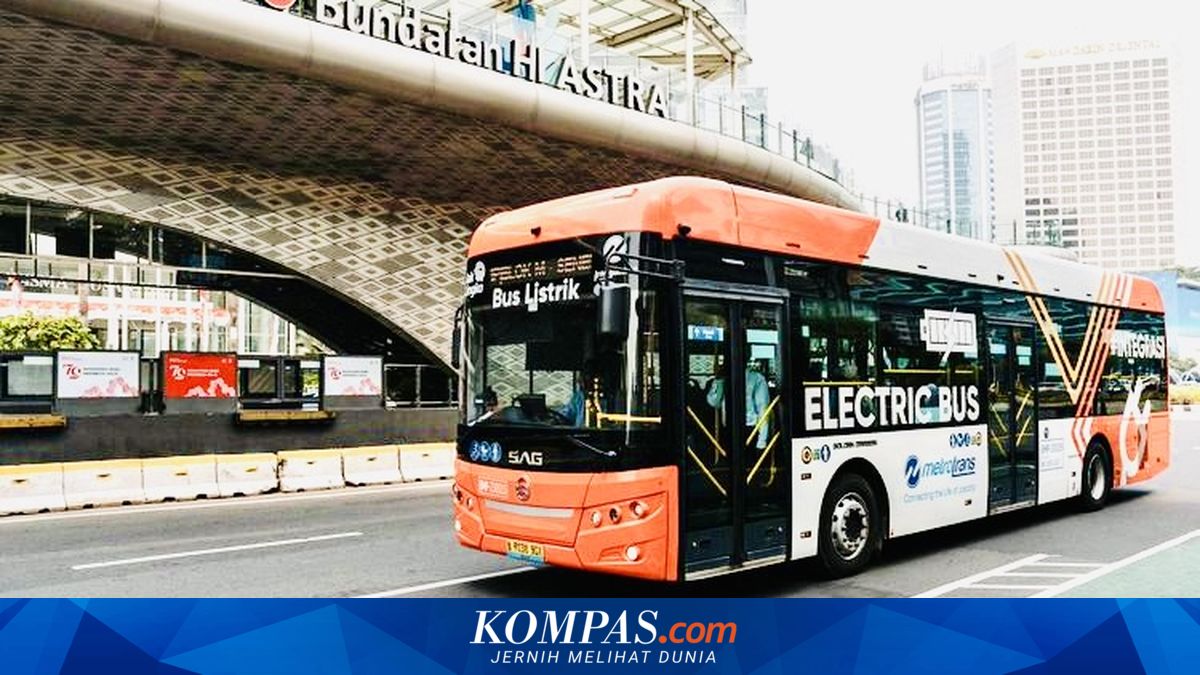
JAKARTA — Fuel price hikes often become a terrifying spectre for people in various regions. The waves of panic that emerge whenever this policy is announced are not without reason. This situation results in long queues at a number of petrol stations. Transportation expert from the Institute for Transportation Studies (Instran) Ki Darmaningtyas believes the root of the problem lies in the government’s failure to provide humane and affordable mobility alternatives. The current state of public transportation in Indonesia appears lopsided. While Jakarta continues to beautify itself with the integration of MRT, LRT, and Transjakarta, other regions are experiencing setbacks. The absence of these options forces people to rely on private vehicles, both cars and motorbikes, to support their daily productivity. Ultimately, every fluctuation in fuel prices directly hits households hard. “People’s dependence on private vehicles is very high. So when fuel prices rise, they automatically panic,” said Darmaningtyas. Darmaningtyas also highlighted the government’s steps in responding to energy issues as misguided. According to him, the government’s focus on promoting the conversion of private fuel-based vehicles to electric is seen as a step that does not address the substance of congestion and energy dependence problems. He believes that the momentum of fuel price increases should be a turning point for the government to massively improve mass transportation. “But this has never been a lesson for the government. In situations like this, the government should create smart programmes,” said Darmaningtyas. He emphasised that subsidies or state budgets should be allocated to strengthen the fleet of public transport in regions that have long been neglected. “Buying electric buses for public transport to be distributed to all regions. Not converting fuel motorbikes to electric motorbikes. The government seems to always repeat the follies that have happened in the past,” he stated. To date, the government is indeed aggressively promoting the electric vehicle ecosystem through various incentives. However, for experts, as long as those policies are still oriented towards private vehicles, classic problems like congestion and economic panic due to energy prices will continue to recur in the future.