
Solok City Government accelerates post-disaster rehabilitation and reconstruction
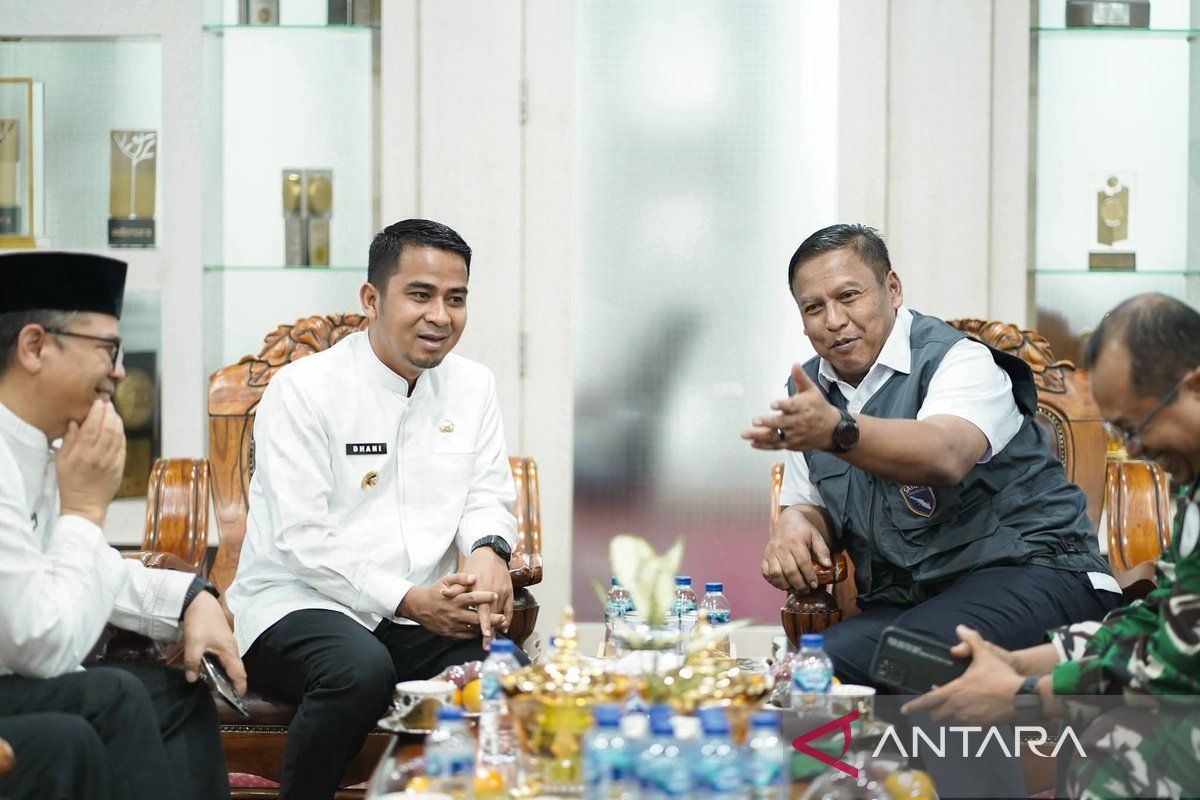
The Solok City Government is accelerating post-disaster rehabilitation and reconstruction through strengthened cross-sector coordination, faster handling of damaged infrastructure, and the restoration of public services and community activities.
Solok Mayor Ramadhani Kirana Putra said on Saturday that accelerating recovery requires support and coordination between the regional government and the central government, particularly in handling disaster-affected infrastructure.
According to him, direct field evaluation is important to ensure that planned measures align with conditions on the ground and the needs of the community, and do not stop at the planning stage.
The Solok City Government is also continuing to inventory rehabilitation and reconstruction needs for public facilities and damaged infrastructure as a basis for determining handling priorities.
With field-based evaluation and cross-agency coordination, the Solok City Government is targeting a faster, more targeted post-disaster rehabilitation and reconstruction process that delivers benefits to affected communities.
The Solok City Government received a visit from the Task Force Team for the Acceleration of Post-Natural Disaster Rehabilitation and Reconstruction in the Provinces of Aceh, North Sumatra, and West Sumatra at its office on Thursday (13/8).
The visit was carried out as part of the team’s mandate to analyse and evaluate the implementation of accelerated post-disaster rehabilitation and reconstruction in West Sumatra, including the handling of a number of affected locations in Solok City.
He and relevant officials then took part in a field inspection to observe the condition of several facilities and infrastructure requiring attention following the disaster.
Locations inspected included SDN 16 Tanah Garam, the Box Culvert at Simpang Gawan, and the sedimentation area of Batang Lembang, which are part of the government’s focus in the post-disaster recovery process.
The inspection served as evaluation material to identify the extent of damage, handling requirements, and the steps needed to ensure the rehabilitation and reconstruction process can be carried out more effectively.