
Solok Agriculture Office develops coffee cultivation
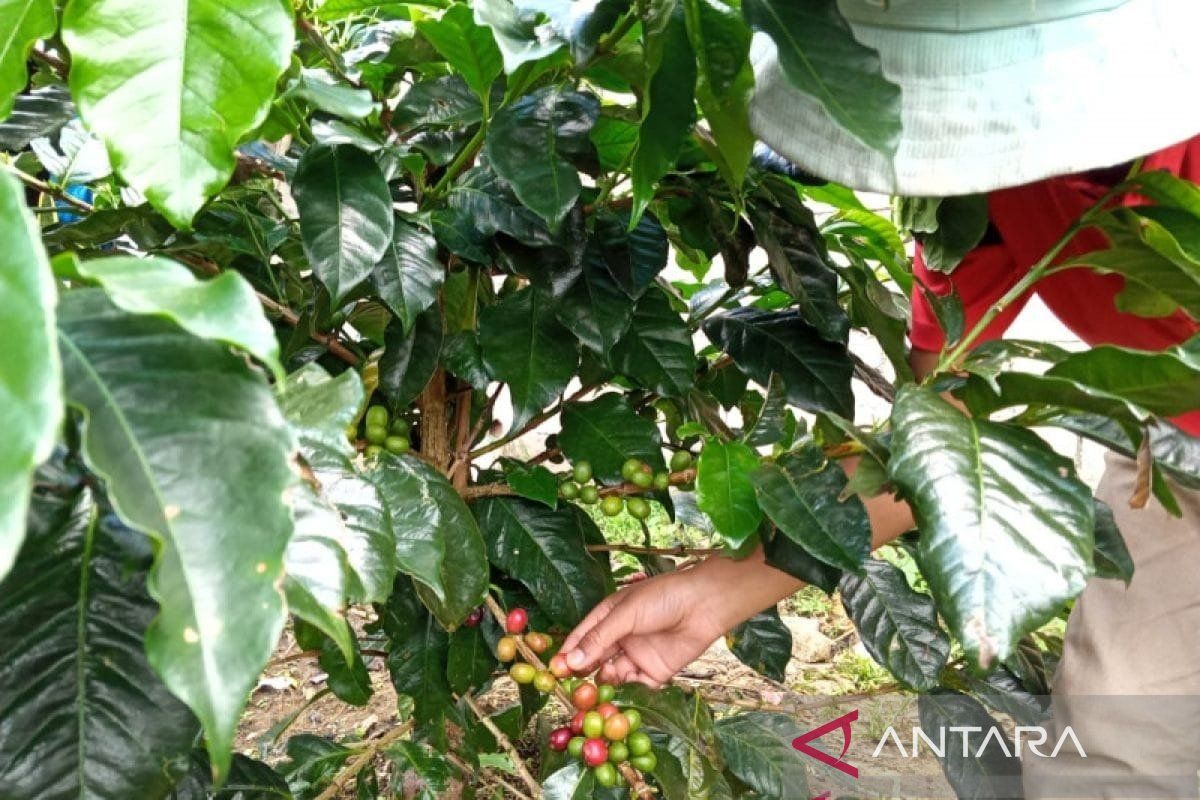
Solok (ANTARA) – The Solok Regency Agriculture Office in West Sumatra is developing coffee cultivation, aiming to expand the area planted to 2,000 hectares to boost production and open up marketing opportunities, including in export markets.
Solok Regency Agriculture Office head Deslirizaldi said in Solok on Tuesday that coffee cultivation was part of a national strategic project intended to expand the area of coffee plantations in the region.
In 2025, coffee had been planted across 525 hectares in Solok Regency, against a development target of 2,000 hectares.
He said the programme would continue this year, with additional coffee seedlings to be planted in several parts of the regency. According to him, the central government is scheduled to provide further seedlings to Solok Regency this year.
The number of seedlings to be delivered is expected to reach 1,100 units, although the unit of measurement needs to be confirmed to ensure it matches the programme data.
The Solok Regency Agriculture Office hopes the additional seedlings will support the expansion of cultivated land and speed progress towards the coffee development target.
Deslirizaldi said that if the full 2,000-hectare planting target is achieved, Solok Regency is expected to produce substantially more coffee. The increase in output is also expected to create opportunities for coffee from the regency to enter export markets.
He said there was considerable potential for developing coffee, as consumer demand for the commodity remained high. Expanding the cultivated area and adding seedlings are therefore important to prepare local production to meet market demand.
The Agriculture Office hopes coffee cultivation will increase plantation output while providing farmers with economic opportunities through wider marketing of their harvests.
Deslirizaldi also said Solok coffee, which is officially registered as a Geographical Indication (GI) product with the Ministry of Law and Human Rights, was one of the region’s assets that should be developed.
The status can strengthen the identity of Solok coffee by linking it to its characteristics and geographical origin, while adding value in the marketplace. With focused cultivation development, the office hopes Solok coffee will become more widely recognised and gain opportunities to enter export markets.
Meanwhile, Nur Baini, 52, a coffee farmer in Alahan Panjang, Solok Regency, said the price of red coffee cherries was currently Rp15,000 per kilogram.
She said the price was one factor farmers considered when deciding whether to develop coffee cultivation. Given the available market potential, expanding coffee growing is expected to provide local farmers with income opportunities.
The price offers an indication of market conditions for coffee at farm level in Solok Regency’s agricultural centre.