
Solar Radio Waves Break 19-Day Record: Key Impacts
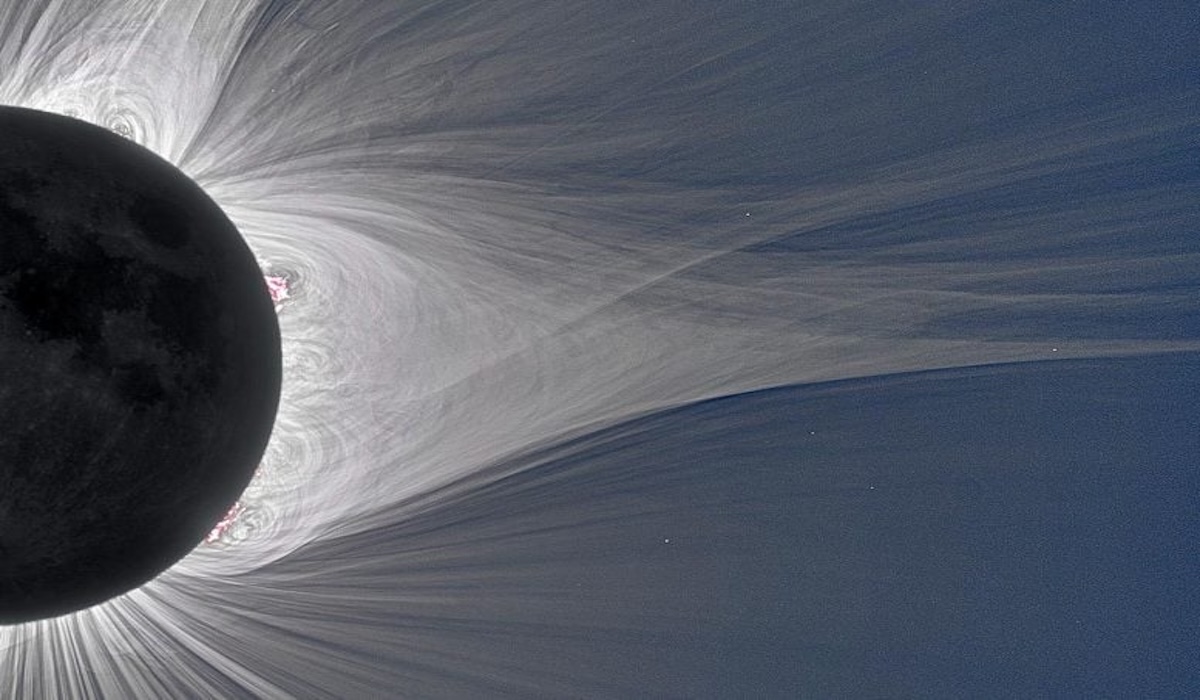
World astronomy was stunned by the discovery of a rare phenomenon: solar radio bursts lasting 19 consecutive days, setting a new record for the longest observed solar radio emissions in space exploration history.
Data collected indicates the extraordinary event was first detected in August 2025. Initially, researchers thought it was routine activity, but its duration of nearly three weeks surpassed the previous record of five days.
Scientists categorise the phenomenon as a Type IV radio burst, caused by high-energy electron clouds trapped in the Sun’s massive magnetic structures.
While the radio emissions pose no direct biological impact on Earth, the accompanying magnetic conditions warrant caution. Extreme solar activity of this nature could disrupt satellite operations, navigation systems, and spacecraft on missions.
In-depth investigations involved advanced spacecraft from NASA and the European Space Agency (ESA), with data gathered from missions including STEREO (Solar Terrestrial Relations Observatory), Parker Solar Probe, Wind, and Solar Orbiter.
Due to the Sun’s rotation, the radio signals were observed alternately by these spacecraft. Combined data from multiple missions allowed scientists to map the phenomenon’s full development over the 19-day period.
Researchers suspect the extreme duration resulted from three consecutive Coronal Mass Ejections (CMEs) emerging from the same region, specifically within a helmet streamer magnetic structure.
Published in the Astrophysical Journal Letters, the findings are crucial for developing space weather early warning systems. By understanding long-duration radio burst mechanisms, experts aim to improve solar storm prediction accuracy.
These mitigation measures are vital for protecting modern technological infrastructure, including communication satellites and power grids, and ensuring the safety of future space exploration missions from radiation and electromagnetic interference.