
Solar Energy Shields Europe from Oil Price Spikes Amid US-Iran Conflict
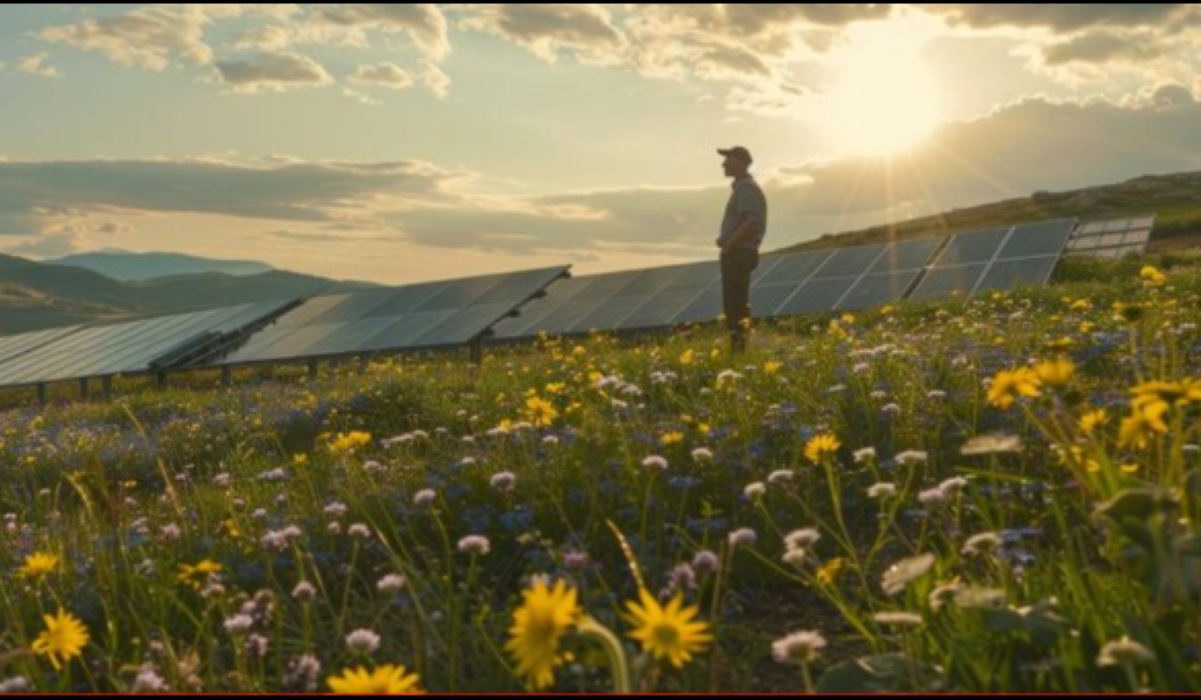
Solar energy has become Europe’s primary shield against crippling fossil fuel import costs amid the ongoing conflict between the United States and Iran, which continues to drive up global oil and gas prices. An analysis by SolarPower Europe reveals that the surge in solar generation saved the continent €20 billion between 1 March and 15 July by reducing the demand for imported gas. Over this 137-day period, solar power delivered average savings of €146 million per day.
Brent crude oil, the global benchmark, has remained volatile due to Iran’s control over the Strait of Hormuz, a vital chokepoint that typically carries around a fifth of the world’s oil supply. On 15 July, Brent was trading at US$85 per barrel, while Dutch TTF natural gas prices also spiked by approximately €20 per megawatt-hour since the conflict erupted on 27 February.
“Every megawatt-hour generated by solar reduces our dependence on imported fossil fuels and makes Europe more secure,” said Walburga Hemetsberger, CEO of SolarPower Europe. She noted that in June, solar power became the single largest source of electricity in the European Union, accounting for 25% of the bloc’s power supply.
Several European nations are demonstrating the benefits of a green energy revolution. Since 2019, Spain has doubled its wind and solar capacity, adding more than 40GW, which has slashed the influence of expensive fossil fuel generators on electricity prices by 75%. In the United Kingdom, wind energy set a new record on 26 March, with wind farms generating a peak of 23,880 megawatts, enough to power 23 million homes. “Wind provided more than half of Britain’s electricity during this record period, pushing fossil gas to its lowest level in two years,” said Tara Singh of RenewableUK.
The year 2025 marked a historic milestone, as wind and solar generated more electricity in the EU than fossil fuels for the first time. A report from Ember showed these two sources contributed 30% of the EU’s electricity. Hemetsberger stressed that electrification and battery storage solutions will be the main route to Europe’s long-term energy security, helping to avoid future fossil fuel price shocks.