
Solar Energy Association Supports 30 GW First Phase of National Solar Power Development
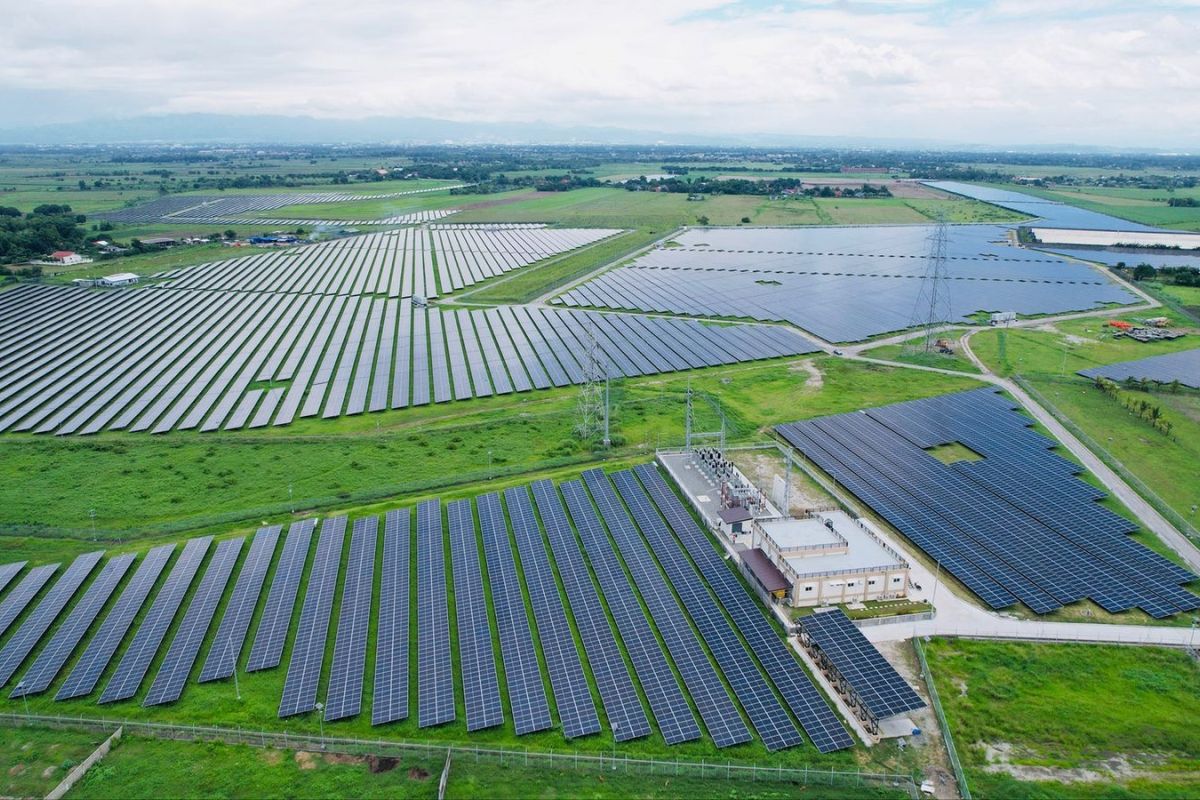
The industry’s current task is to ensure readiness on our side, from supply chains and installation quality to certified workforce.
Jakarta (ANTARA) - The Indonesian Solar Energy Association (AESI) supports the acceleration of national solar power plant (PLTS) development with a capacity of 30 gigawatts (GW) as the first phase of the 100 GW PLTS project.
“The industry’s current task is to ensure readiness on our side, from supply chains, installation quality, to certified workforce,” said AESI Chairwoman Mada Ayu Habsari in a statement received in Jakarta on Friday.
In order to realise the PLTS development, AESI has formed four task forces, namely the 100 GW task force to help map the path towards national solar energy utilisation through a pragmatic approach.
The second task force is rooftop PLTS to encourage massive utilisation of rooftop solar in supporting the achievement of national solar energy targets.
Independent Power Producer (IPP) is the third task force to help oversee the PLTS procurement process so that it is bankable and attractive to the investment ecosystem.
The fourth task force is green workforce to ensure the solar industry ecosystem has competent and certified human resources (HR).
“President Prabowo Subianto has a vision that every village should ideally have a 1 MW PLTS, and AESI fully supports the effort to distribute energy equitably,” said Mada Ayu.
AESI is currently developing a sandbox model to realise community-based energy independence. With its modular character, she continued, PLTS is a solution for areas that have been difficult to serve with electricity networks, while also opening up utilisation opportunities in health facilities such as community health centres (puskesmas) and village cooperatives.
AESI is exploring strategic cooperation with the Ministry of Cooperatives to utilise the Red and White Village/Sub-district Cooperative network as service centres. This step ensures post-installation maintenance is well maintained, while opening opportunities for local communities to earn additional income.
“So far, PLTS maintenance in villages still depends on technicians from outside the area. A good installation can stop functioning simply because no one maintains it,” said Mada.
In addition, AESI will organise special training for women in villages so they can carry out PLTS repairs and maintenance independently. This programme will be overseen by the Green Workforce Task Force with the hope that technician capabilities are available directly on site, without having to wait for technicians from the city.
“We want women in villages to have the skills to maintain this 1 MW PLTS system, providing additional income while maintaining the reliability of state assets in the field,” said Mada.