
SOEs Receive Tax Incentives, Industry Players: Private Sector Also Needs Fiscal Support
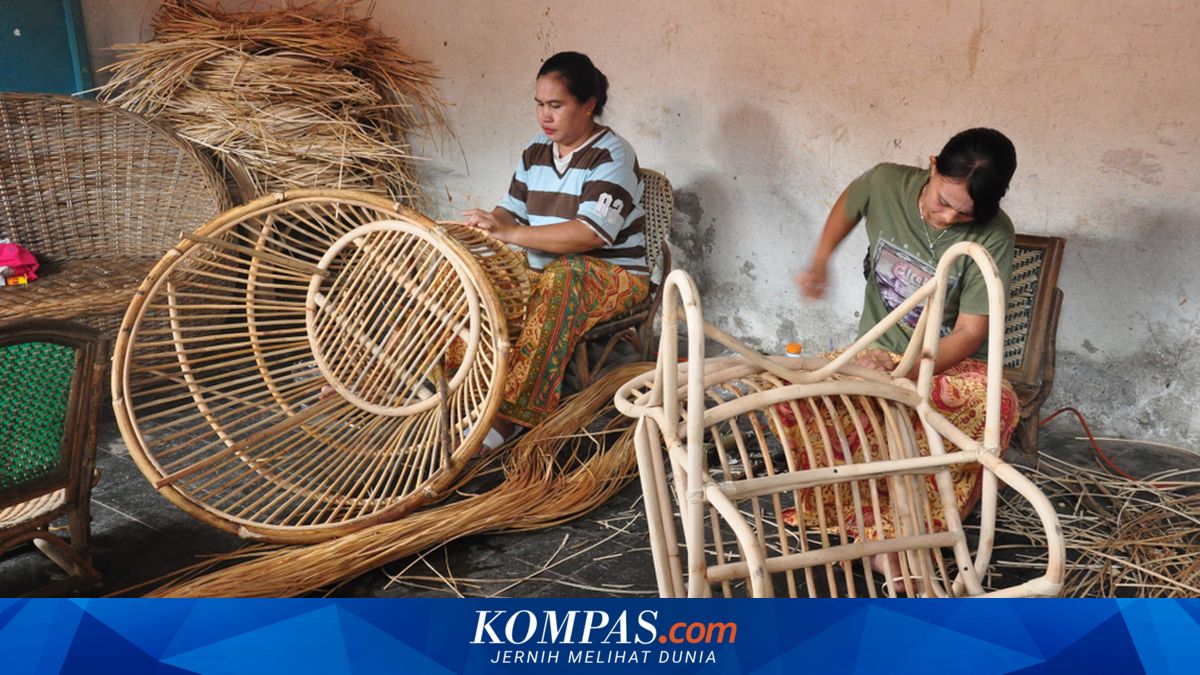
The Indonesian Furniture and Handicraft Industry Association (HIMKI) has called on the government not to limit tax incentives solely to state-owned enterprises (SOEs). HIMKI believes that the national private industry also requires fiscal support to strengthen exports, expand employment opportunities, and enhance competitiveness amid global rivalry.
HIMKI General Chairman Abdul Sobur stated that tax incentives for SOEs can still be understood if they are transitional and aimed at restructuring or rescuing strategic sectors. Nevertheless, he views the policy as unfair if it is only granted to SOEs, while the national private sector receives no similar relief for expansion, mergers, industrial transformation, and export strengthening.
Sobur emphasised that the provision of incentives should be based on contributions to the national economy, not the company’s status. “Our view is that incentives should be based on contributions to the national economy, not merely the status of SOE or private,” Sobur said in a press statement on Thursday (7/5/2026).
Sobur also assessed that labour-intensive industries deserve support due to their significant contribution to job creation. Additionally, companies investing in new machinery and technology are deemed to need tax allowances or access to cheap financing, such as the Priority Investment Capital Credit scheme or KMIP.
He also encouraged relaxations for industrial mergers to strengthen efficiency and competitiveness. Companies or associations building export hubs abroad are also considered eligible for fiscal support as they have the potential to increase foreign exchange earnings.
“This means that both SOEs and the national private sector must have equality and a healthy level playing field. Without a strong national private sector, Indonesia will struggle to achieve targets for industrialisation, exports, and large-scale job creation,” he continued.
Sobur alluded to Asian countries such as China, South Korea, and Vietnam, which he believes have successfully built national industries by strengthening both SOEs and domestic private sectors. “In the context of the furniture and handicraft industry, HIMKI views it as important to have a grand narrative of equal incentives for export-oriented national industries,” he said.
The policy is being prepared to accelerate restructuring and improve the efficiency of red-plate companies. Finance Minister Purbaya Yudhi Sadewa stated that the incentives have already begun to apply and are part of the SOE consolidation agenda.
According to Purbaya, the process of mergers, acquisitions, or restructuring of SOEs has so far incurred high costs due to tax levies on asset transactions and corporate actions. “The aim is for efficiency. What’s important to me is that the companies become more streamlined, more efficient, and have greater profits. So during that process, we won’t collect any taxes,” Purbaya said in Jakarta on Thursday.