
Soenda Ketjil Residency House in Singaraja Transformed into Heritage Eatery
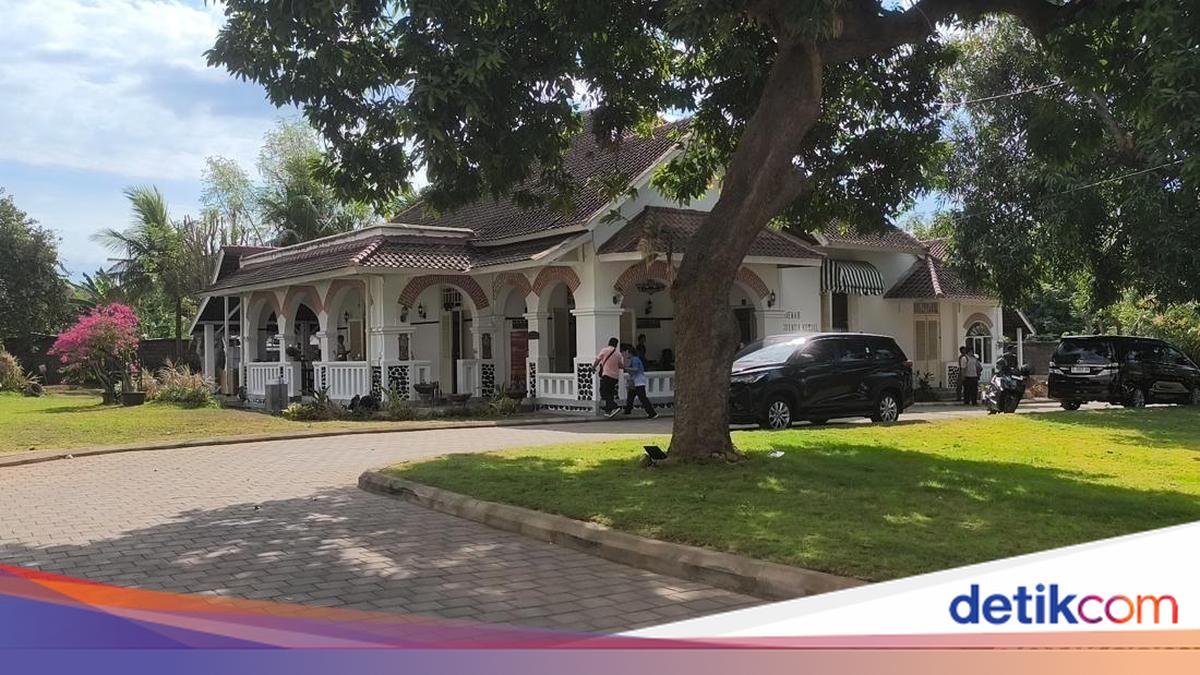
Behind the shade of old trees in the centre of Singaraja, Buleleng, Bali, a building more than a century old has found new life. The old house, which once served as the official residence of the Soenda Ketjil Resident during the Dutch colonial administration, is no longer associated with a quiet and spooky atmosphere. The historic building has been transformed into Warung Soenda Ketjil, a vintage-style eatery that invites visitors to enjoy cuisine while tracing the history of North Bali.
The building is estimated to have been constructed around 1912. It was part of the Dutch colonial administration’s footprint in Singaraja, which at the time was the administrative centre for the Soenda Ketjil region. One of the figures who once occupied the house was I Gusti Bagus Oka. The property was later granted to him and became a family asset passed down through generations.
One of the owners of Warung Soenda Ketjil, Ida Ayu Wardhany Sutjidra, said the building’s existence was a key reason she wanted to create a public space that not only functions as a dining venue but also preserves the building’s historical value. According to Wardhany, the community has long needed a place to rest, sit back, gather, or enjoy drinks and food in the middle of Singaraja.
The idea to revive the house emerged when the owner, a school friend of Wardhany, entrusted her with its management. She proposed using the house as a restaurant with a heritage concept. The concept was implemented by retaining as many original parts of the building as possible. No major changes were made to the structure, and no historical items stored inside were removed. Old photographs, chairs, tables, and various original furnishings have been kept. Additions were limited, such as lighting to brighten the rooms and extra chairs due to limited seating.
Currently, Warung Soenda Ketjil can accommodate around 60 visitors, with potential to expand capacity by utilising the garden area once conditions are more shaded. Beyond dining, the venue is open for various activities as long as they do not damage the building or its historical value. The public can use the space for photoshoots, content creation, birthday parties, and even small-scale weddings. Wardhany welcomes such activities, seeing them as a way for more people to become acquainted with the building and its history.
Inside the house, visitors can find historical documentation, including old photographs related to Singaraja and the Soenda Ketjil region, such as documentation of the Singaraja zero-kilometre point from the past. This allows the visitor experience to go beyond dining and relaxing, offering a glimpse into the past life of Singaraja preserved within the house.
Culinarily, Warung Soenda Ketjil champions Nusantara cuisine with a distinctive Buleleng touch. Classic menus such as nasi goreng, soto, rawon, and various other Indonesian dishes are available. The classic menu is intentionally maintained to align with the heritage concept that forms the warung’s identity. In the future, menu options may expand according to visitor demand, with Western or Chinese dishes potentially being introduced at certain times.
Interestingly, the concept has begun to attract attention not only from locals but also from foreign tourists, including Dutch visitors, who come to enjoy the atmosphere of the old building while dining. For Wardhany, this interest is a positive development, as the once quiet building has now become a lively space. The building is also part of Singaraja’s historic district, which includes other heritage structures from a relatively similar period, such as the Soenda Ketjil Museum, the Buleleng Regent’s Office, and Gedong Kirtya. More than a century after it was built, the structure still stands firm, its atmosphere now completely transformed from a space of silence and old stories into one bustling with visitor activity.