
Soeharto's Method of Selecting Officials Revealed During 105th Birth Anniversary Commemoration
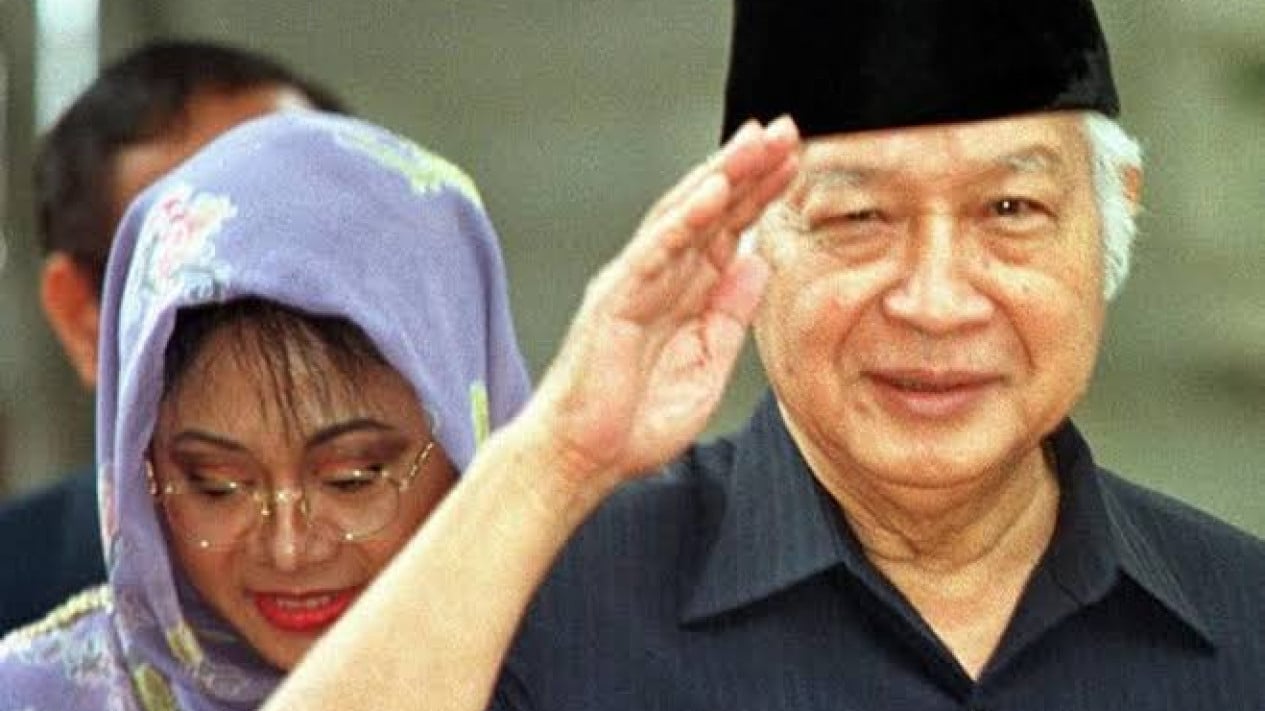
Jakarta, VIVA – The method used by Indonesia’s second President, Soehlarto, to select individuals for strategic government positions was not based solely on technical ability or educational background.
During the commemoration of Soeharto’s 105th birth anniversary, senior journalist and author of ‘Laku Spiritual Pak Harto, Indonesia dan Kejawen’, Bambang Wiwoho, revealed that Soeharto possessed a specific method for selecting prospective ministers and officials to assist in running the government.
According to Wiwoho, while actively leading the nation, Soeharto maintained a special list containing names of figures from various regions who were deemed to have potential for recruitment at any time. “During his prime, Pak Harto always had a document similar to a shopping list. It was a list of individuals from the central and regional levels who could be recruited whenever necessary. At that time, he was still very active in reading and getting to know many figures from the 70s and 80s,” Wiwoho stated in Jakarta on Monday, 8 June 2026.
However, being included in such a list did not guarantee an immediate appointment. Bambang noted that every name under consideration would first undergo in-depth investigation by a team assigned by Soeharto. This scrutiny even touched upon aspects rarely considered in standard official recruitment processes.
“It was more detailed, involving their personality, hobbies, siblings, and close associates. It looked at the loyalty of their companions, their domestic life, and their social conduct,” he said.
According to Bambang, Soeharto believed that an individual’s character is reflected in their daily life, including how they interact with and treat those around them. Consequently, aspects such as loyalty, social relationships, and family life were vital components of the assessment process.
The senior journalist, who long covered presidential activities, noted that for Soeharto, the ability to manage personal affairs was an indicator of whether someone was worthy of greater responsibility. “The same applied to domestic life. How can someone be trusted to manage an aspect of the state, if their household—which is a smaller scope—is in disarray?” said Wiwoho. This perspective, according to Bambang, was one of the approaches used by Soeharto to build his cabinet and appoint officials during his administration.