
SOE Management Transformation Assessed to Boost State Asset Value
The transformation and restructuring of State-Owned Enterprises (SOEs) are beginning to show an impact on company efficiency and performance. President Prabowo Subianto stated that SOE overhead cost savings have reached approximately Rp50 trillion, while the profits of several SOEs in the first half of 2026 also increased significantly.
“In 2025, SOE profits reached Rp326 trillion, up 75.3% from 2024. SOE dividends paid in 2025 reached Rp142.3 trillion, up 67% from 2024,” Prabowo said in his speech.
The President also targets SOE cost savings to continue increasing until the end of 2026. The President said the move is part of corporate restructuring to improve efficiency and the value of state assets.
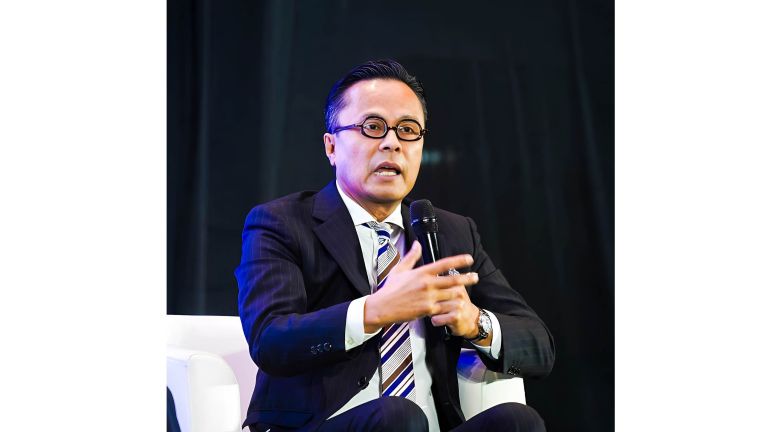
“Streamlining is not the end goal. The most important thing is how the SOE assets that have been organised can be managed more optimally, more productively, and truly create added value for the state,” said Dony in Jakarta recently.
In this context, the consolidation of SOE asset management companies is considered a step that can strengthen state asset management. The merger of PNM Investment Management, BNI Asset Management, and BRI Manajemen Investasi into Mandiri Manajemen Investasi as the surviving entity is expected to create a larger and more efficient business scale.
Andalas University economist Fajri Adrianto said there are two main sources of synergy in a merger, namely revenue enhancement and cost reduction. A larger asset management scale can also strengthen the competitiveness of SOE investment companies.
“The synergy can come from strengthening revenue and cost efficiency. With the merger of these four companies, the scale of asset management becomes larger so that the capacity of the SOE investment company to compete also becomes stronger,” Fajri said when contacted from Jakarta on Friday (14/8/2026).
According to Fajri, cost efficiency is a benefit that is relatively quickly visible after a merger, among others through the integration of information systems and technology that previously operated separately. Consolidation also allows the company to re-evaluate productive and non-productive assets to improve optimisation.
“The fastest visible indicator is an increase in profit, especially through improvements in the cost structure. For example, four information systems can be integrated into one so it is more efficient. The company’s assets also need to be re-identified as to which are productive and which are not,” he said.
Fajri added that the success of consolidation is largely determined by governance and the ability to build a single corporate culture. He cited the establishment of Bank Syariah Indonesia from three state-owned Islamic banks as a lesson that a merger can produce an entity with a larger business scale if the integration process runs effectively.
“If we look at BSI, the three previous Islamic banks had their own characters and cultures. After being merged, they were able to build one identity and culture as BSI. This can be a lesson that a merger can create added value if the ego of each entity can be eliminated and a new governance structure is built,” he said.